


Vintage Fine Art Portrait
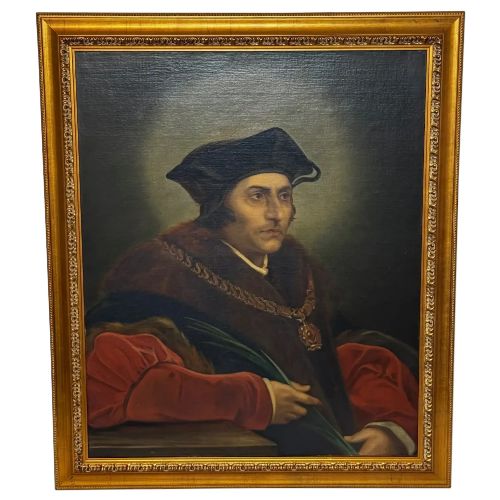
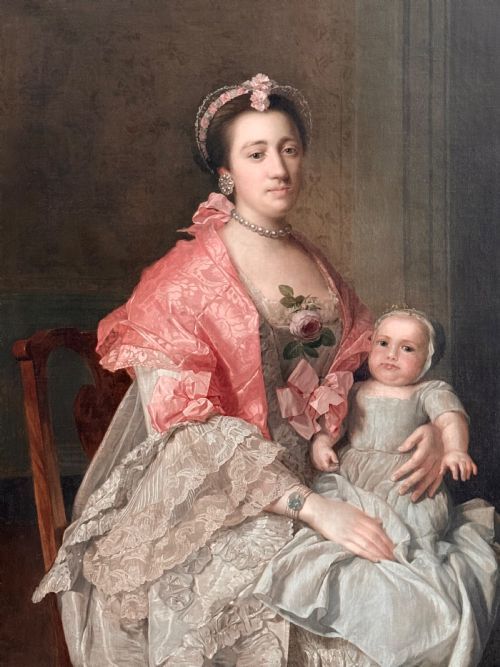
A vintage fine art portrait brings a singular human presence into a room, capturing individual character through oil on canvas, pastel on paper, and wood panel.
Vintage Fine Art Portrait
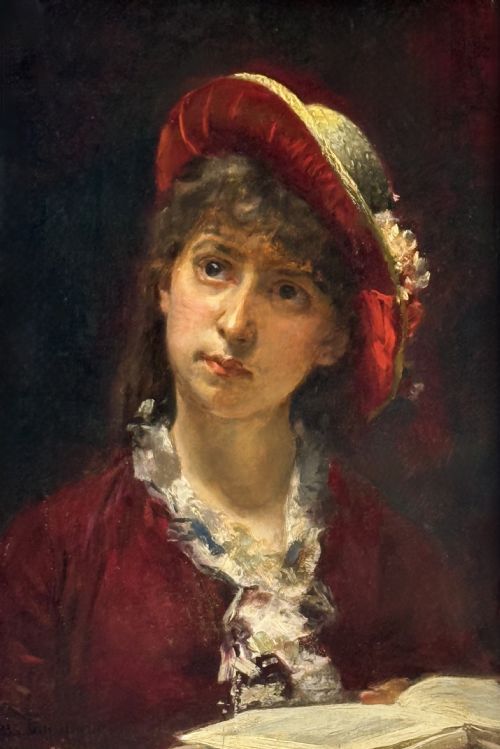
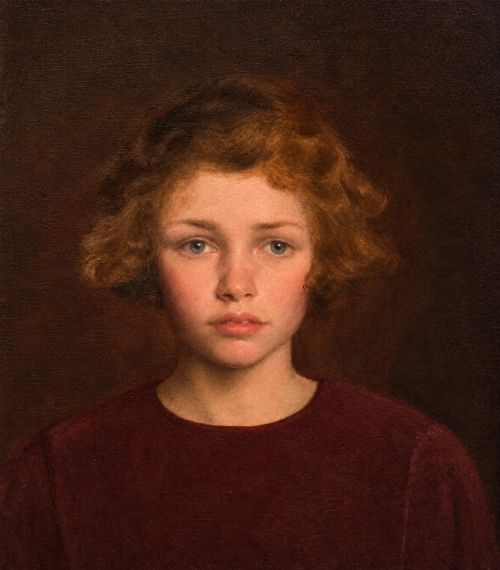
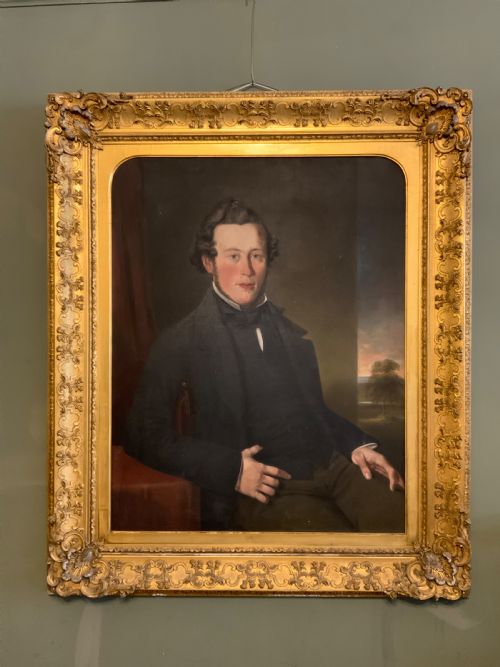
A vintage fine art portrait encompasses painted, drawn, and printed likenesses spanning several centuries. Buyers frequently encounter nineteenth-century canvases, Edwardian works, and mid-century oils depicting seated gentlemen, young beauties, and self-portraits.
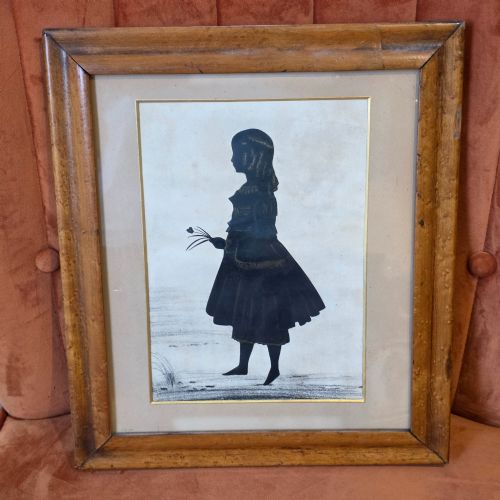
The materials vary from oil paint on wood panels and canvas to delicate pastel on paper and cut-paper silhouettes. These pieces range from intimate sketches by named artists to larger framed artworks originating from British and French schools.
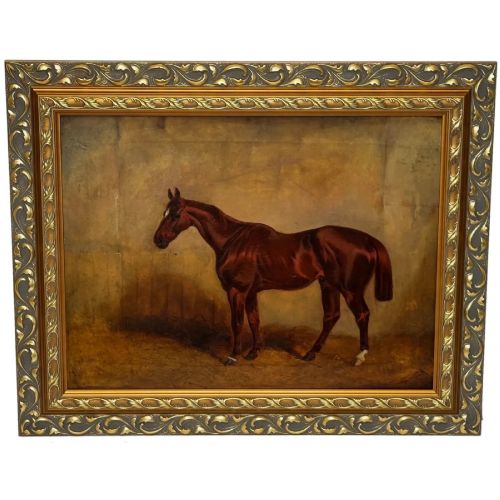
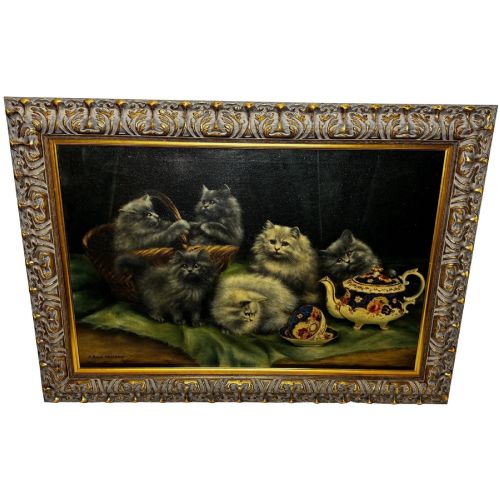
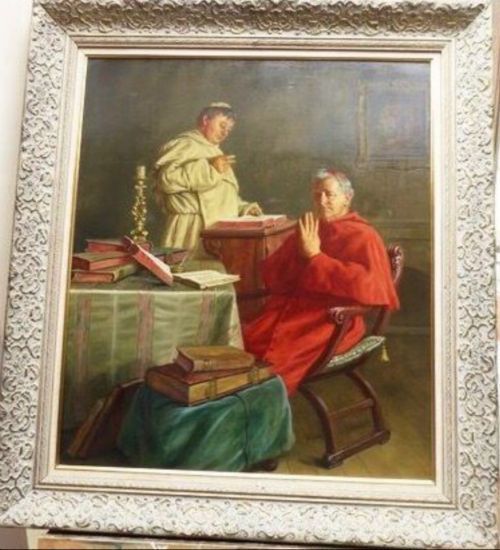
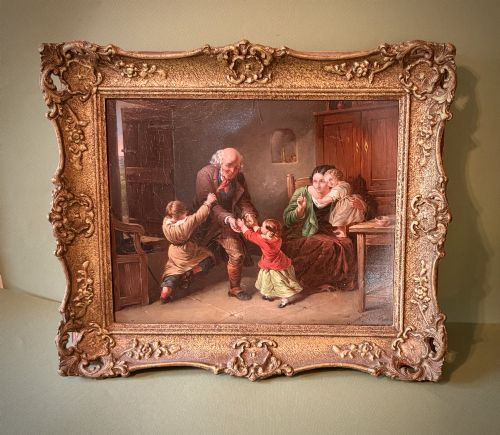
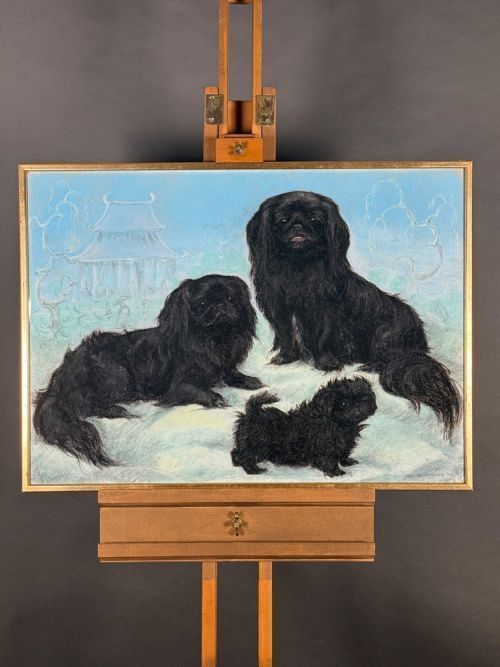
Subjects stretch beyond human likenesses to include animals and narrative studies, reflecting diverse stylistic approaches from the Georgian period through to the nineteen-sixties.
Materials and technique
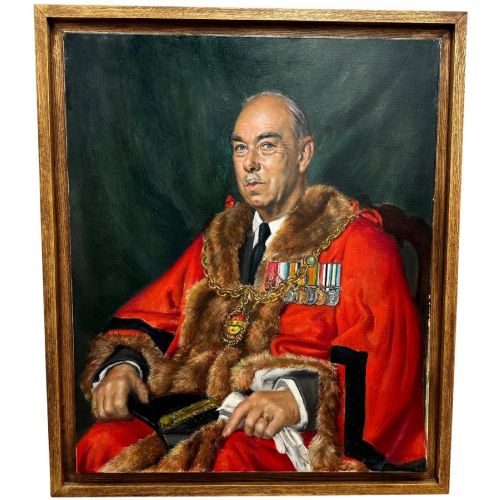
Artists built these portraits primarily using oil paint applied to stretched canvas or wooden oak panels, creating rich textures and deep tones. Others utilised pastel on paper or ink and watercolour, relying on the absorbent qualities of the sheet to hold fine detail.
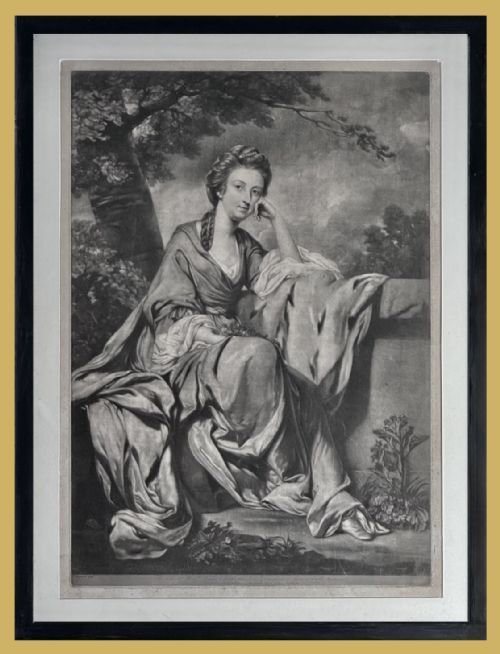
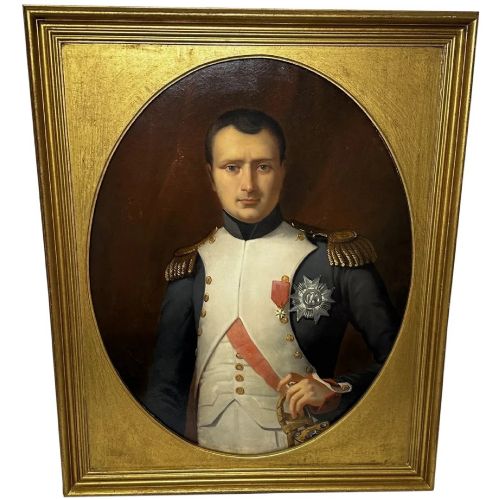
Frames play an integral structural role, particularly ornate giltwood mouldings that protect the edges of the canvas and complement the painted composition. Mezzotint, lithograph, and pochoir print techniques also appear, allowing printed works to replicate the nuance of hand-drawn marks.
Listings span multiple eras from the seventeenth century through to the nineteen-sixties, incorporating diverse media including oil paint, pastel, and print.
Assessing quality
Quality rests upon the sureness of the draftsmanship and the artist's ability to render light and psychological depth within the subject's expression. Superior examples demonstrate confident brushwork and anatomical precision, whereas lesser works may display stiffness or heavy-handed restoration.
The integrity of the primary support dictates longevity, with stable canvases and unwarped wooden panels representing the higher tier of survival. Original framing and documented attribution to a listed painter further elevate the standing of a piece.
Edward Fisher·Sir Joshua Reynolds·Leonardo Da Vinci·Bernard Hailstone·Dumini Leopoldo·Robert Heinrich·Francis Bacon·Eric Robertson·Augustus John·Carl Felkel·Herbert Ashwin Budd·Charles Stuart Forbes·Gladys Marguerite Baker·Henry Windsor Fry·Philippe de Rougemont·Charles James McCall·Pablo Picasso·Louis Icart·Florence Small·Alfred Arthur Brunel de Neuville·Emily Eyres·Percy Lancaster·Philip Naviasky
The Vintage Fine Art Portrait Glossary
- Mezzotint
- A printmaking process of the intaglio family where the artist works from dark to light by roughening the copper plate. This technique produces rich tonal gradations well suited to capturing soft facial shadows in a portrait.
- Pochoir
- A stencil-based printing method used to apply vibrant, flat areas of watercolour or gouache by hand. It yields crisp edges and saturated colour often found in mid-century graphic prints.
- Panel
- A rigid wooden support used by artists instead of canvas. Oak panels were common in earlier centuries, offering a smooth, stable surface for fine detail work.
- Pastel
- A dry medium consisting of powdered pigment and a binder, applied directly to paper. It creates a velvety surface with luminous colour depth that requires glass protection.
- Giltwood
- Wood carved and coated with a thin layer of gold leaf or gold paint. These frames add warmth and a reflective border to completed canvases.
Vintage Fine Art Portrait: Frequently Asked Questions
What does attribution mean on a listing?
Attribution indicates that experts ascribe the work to a specific artist based on style, technique, or provenance rather than a signed signature.
This classification helps buyers understand the likely origin of an unsigned or historic painting.
Can I hang a canvas portrait in direct sunlight?
Direct sunlight causes pigments, particularly organic reds and blues, to fade permanently over time.
Positioning the artwork away from intense light preserves the intended colour balance and protects the canvas from drying out.
How do I date a vintage portrait?
Dating relies on costume details, hairstyles, stretcher construction, and the type of canvas or panel used by the maker.
Signatures, artist registry records, and framing styles also offer reliable clues to the decade of creation.