

Grey Coastal Wall Art
Grey coastal wall art brings muted maritime scenes and salt-washed shores into domestic interiors through historic paintings.
Grey Coastal Wall Art
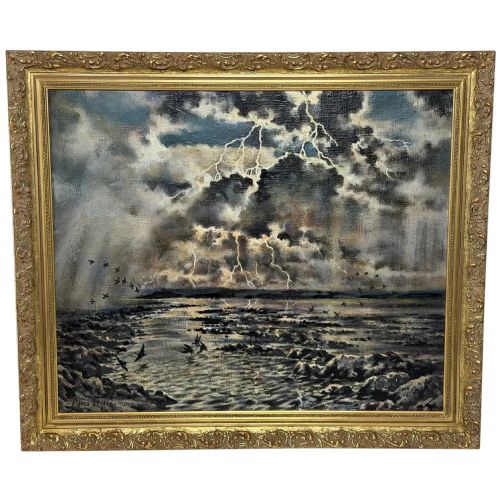
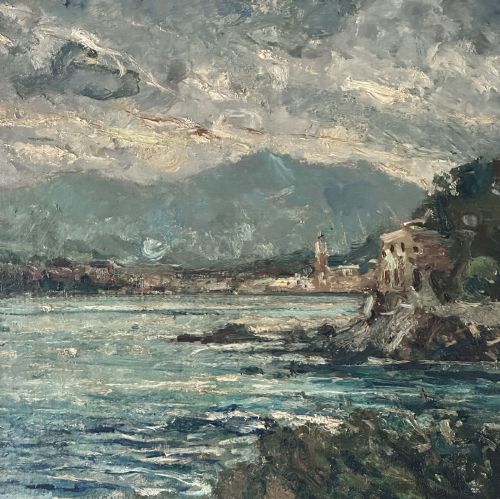
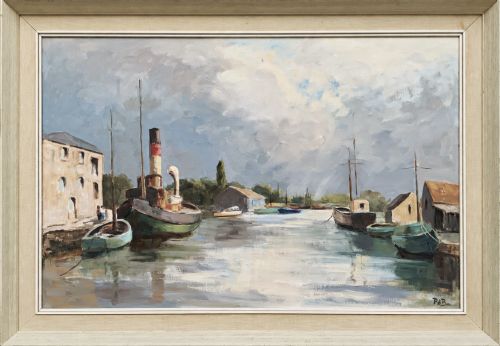
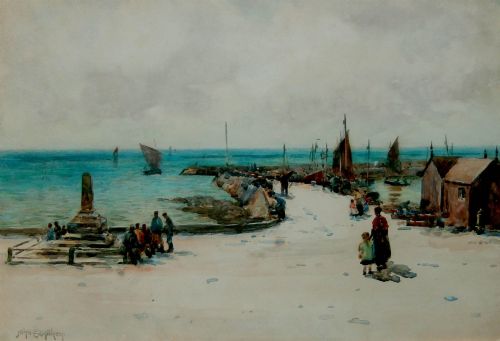
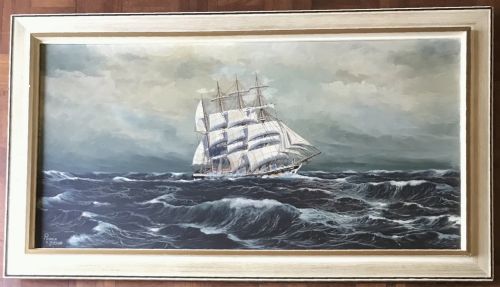
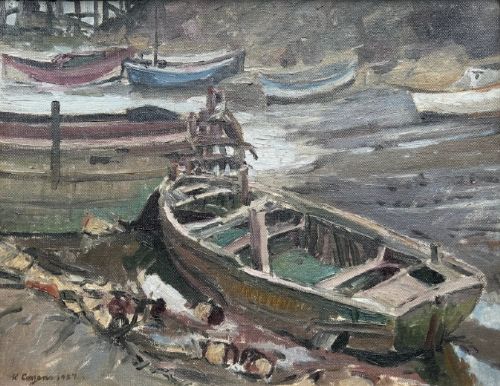
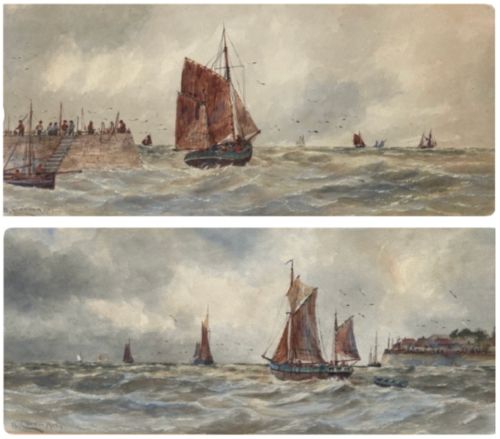
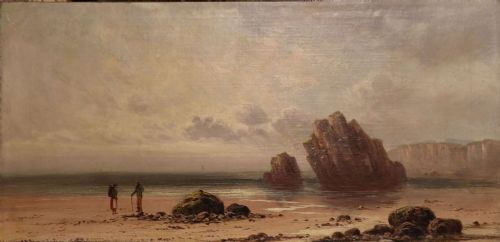
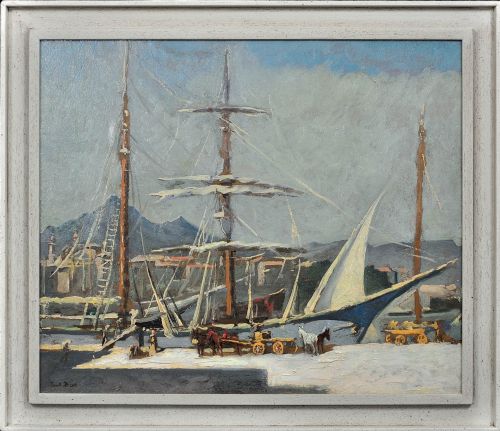
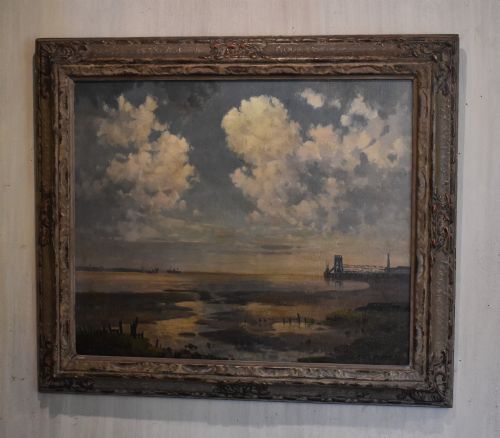
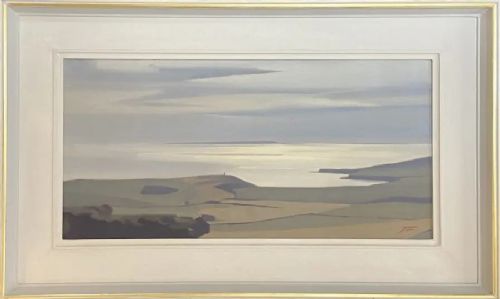
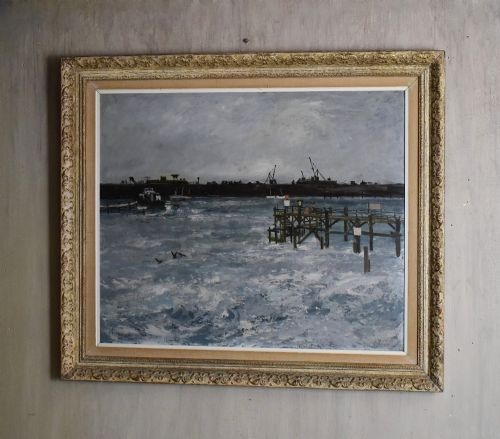
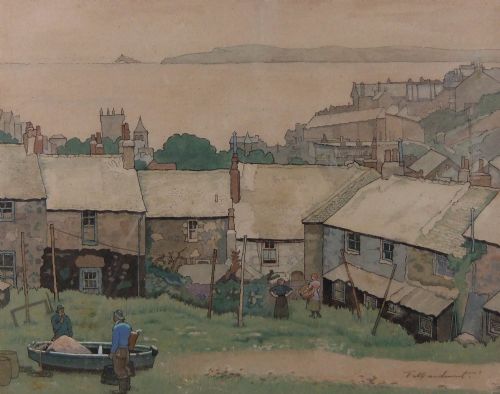
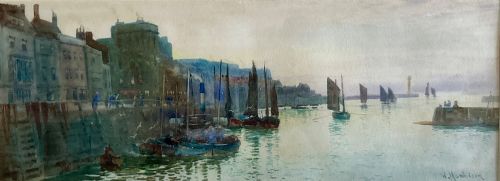
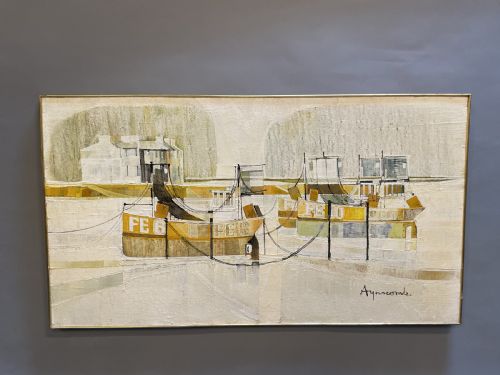
Grey coastal wall art encompasses historic paintings depicting harbours, stormy seas and fishing boats along British and European shores. Collectors encounter works executed in oil and watercolour from the nineteenth and twentieth centuries.
Works originate from various periods including the Victorian era, Edwardian years and the mid-twentieth century. The pieces span finished studio watercolours and spontaneous plein air oil paintings on canvas or board.
How they were made
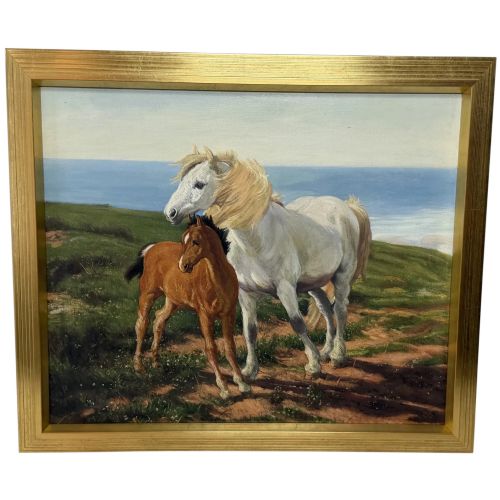
Artists painted these scenes using watercolour pigments on paper or oil paint applied to canvas and wooden boards. Watercolour washes created transparent skies and shimmering water, whilst oil paints allowed for thick impasto brushwork on crashing waves and rocky cliffs.
Traditional framing typically involved glazed wooden surrounds for watercolours and heavy moulded frames for oil paintings. Supports varied from stretched linen canvas to primed wooden panels and sturdy watercolour paper.
Grey Coastal Wall Art Retail Price Guide 2026
Typical asking prices for grey coastal wall art among the pieces listed under this phrase on Sellingantiques today, from the lower quarter to the upper quarter. They describe what is for sale here now, not the wider market.
Several artists braved bracing northern winds to paint Whitby harbour precisely when the fishing fleet departed.
What varies in quality
Quality rests upon the artist's command of light, atmosphere and tonal harmony within the restricted grey palette. Superior works capture the movement of water and atmospheric weather conditions with confident, purposeful brushstrokes rather than rigid mechanical detail.
Compositional strength and the handling of paint distinguish accomplished works from routine topographical records. The finest pieces demonstrate a sophisticated balance between land, sea and sky that elevates the subject beyond mere illustration.
Kenneth Cozens·William Cannon·John E. Aitken·Clive Browne·Peter Brannan·Paul Bret·James Fry·Thomas Maidment·William Matthison·John Moxon·Charles William Adderton·Thomas Bush Hardy·Edward Seago·Robert Leslie Howey·Herbert Royle·William Greaves·Charles Sim Mottram·George Hamilton Constantine·Owen Bowen·Samuel Owen·H.E. Tidmarsh·Ernest F. Hill·George Gregory·Percy Brooke·William Kay Blacklock
The Grey Coastal Wall Art Glossary
- Impasto
- Paint applied thickly to a canvas or board, leaving visible brush or palette knife marks that add texture and dimension.
- Plein air
- Painting outdoors in natural light to capture immediate atmospheric effects and changing weather conditions.
- Seascape
- A work of art depicting the sea, coastal views, shipping or marine activity.
- Watercolour
- A paint consisting of pigment suspended in a water-soluble vehicle, traditionally applied to heavy paper.
- Estuary
- The tidal mouth of a large river, where the tide meets the stream, frequently featured in coastal art.
Grey Coastal Wall Art: Frequently Asked Questions
What periods do these paintings come from?
The works span the nineteenth and twentieth centuries, encompassing Victorian maritime art, Edwardian watercolours and mid-century British paintings.
Dates range from the late eighteen-hundreds through to the nineteen-sixties, reflecting changing artistic movements across those decades.
How should I hang watercolour paintings safely?
Watercolours require protection from direct sunlight to prevent the pigments and paper from fading over time. Glazed frames with archival mounts keep the delicate paper surfaces safe from atmospheric moisture and humidity.
Position the artwork on interior walls away from direct heat sources and strong sunlit windows.
What subjects appear in these coastal scenes?
Common subjects include bustling fishing ports, quiet estuaries, crashing waves against rocky cliffs and moored sailing vessels. Artists often recorded specific locations such as Whitby, St. Ives and various northern harbours.
The imagery focuses on working maritime life and moody coastal weather rather than idealized tropical beaches.
How do I distinguish oil paintings from watercolours?
Oil paintings feature heavier pigment applied to canvas or wood panels, often displaying raised brush texture and a glossy or satin finish. They are usually displayed without glass protection.
Watercolours utilise thin, translucent washes on paper and must be framed behind glass with a card mount to separate the paper from the glazing.