




Grey Carved Wood Sculpture
Grey carved wood sculpture brings together centuries of folk traditions, rustic decoys and temple figures in remarkably varied forms.
Grey Carved Wood Sculpture
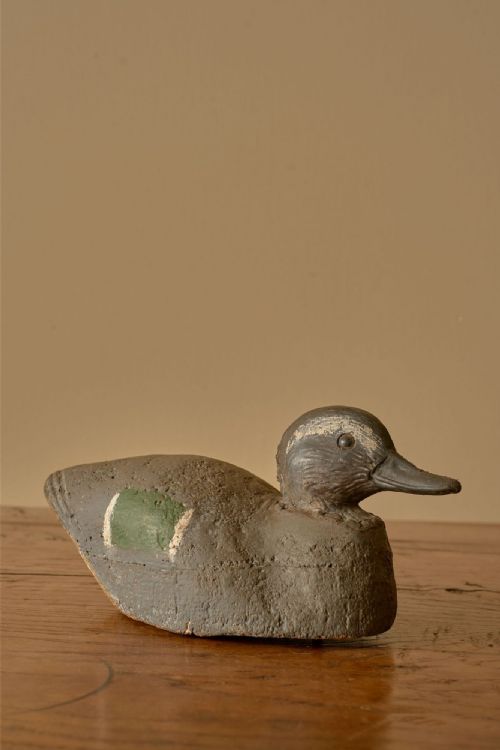
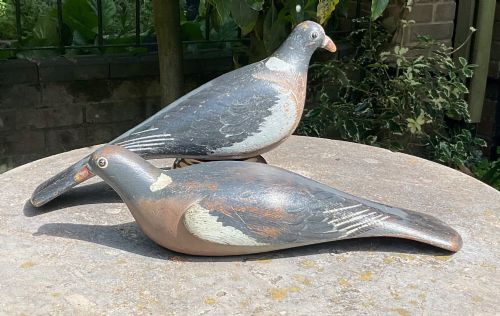
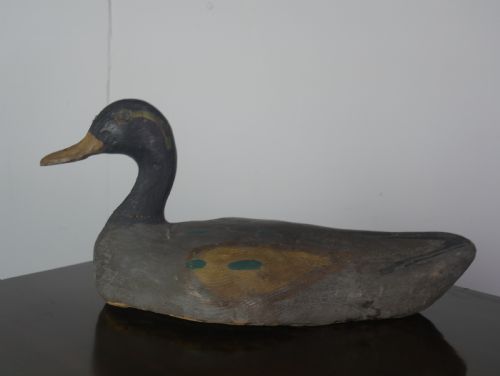
When you search for grey carved wood sculpture, you are looking at tactile decorative objects shaped from timber and painted or weathered over generations. The selection spans utilitarian decoy pigeons and ducks alongside expressive religious figures and architectural fragments.
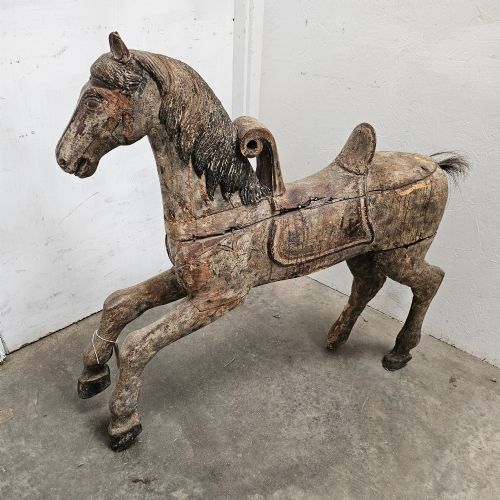
You are most likely to meet pieces originating from English and French folk traditions, including decoy ducks and pigeons dated around nineteen hundred. Alongside these are larger decorative works such as temple guards, carousel horses and fairground dragon ride fragments.
The forms range from life-size lions and rams' skulls on stands to small cherub figures and Sepik River canoe prow carvings. Each object carries the distinctive marks of its original function, whether used on the water, in a fairground or inside a sacred space.
How They Were Made
Makers shaped these pieces primarily from solid timber and wood, employing hand-carving techniques to define muscle, feather and drapery. Tool marks left by chisels and gouges remain visible across the surfaces of many items.
Many surfaces feature layers of paint, gesso and metal details that have softened and dulled with age. Materials such as horsehair and bone occasionally appear as supplementary elements in specific sculptural forms.
Grey Carved Wood Sculpture Retail Price Guide 2026
Typical asking prices for grey carved wood sculpture among the pieces listed under this phrase on Sellingantiques today, from the lower quarter to the upper quarter. They describe what is for sale here now, not the wider market.
A fierce dragon ride fragment from the fairground now rests quietly alongside gentle decoy ducks.
What Varies In Quality
The strength of a grey carved wood sculpture lies in the vitality of its carving and the honesty of its surface preservation. Pieces with spirited proportions and unforced tool work command greater attention than static or overly restored examples.
The character of the aged paint or weathered timber surface plays a defining role in visual success. Original layered paintwork that shows genuine age and handling elevates an object above plain stripped timber.
The Grey Carved Wood Sculpture Glossary
- Decoy
- A carved wooden bird or animal created to attract game during hunting. These working objects form a significant part of folk art sculpture.
- Gesso
- A plaster-based mixture applied to wood as a smooth preparation layer for painting or gilding. It provides a distinct texture beneath surface pigment.
- Folk art
- Utilitarian or decorative objects made by self-taught or traditional craftsmen outside academic artistic circles. They prioritize functional character and direct expression.
- Fairground art
- Large decorative carvings produced for amusement rides and attractions. These pieces often display dynamic movement and bold scale.
- Canoe prow carving
- An architectural or ritual ornament attached to the front of a vessel. It carries cultural significance and intricate tribal woodworking.
Grey Carved Wood Sculpture: Frequently Asked Questions
What is a grey carved wood sculpture?
A grey carved wood sculpture is a decorative or utilitarian wooden object shaped by hand and weathered over time. These pieces include folk art decoys, religious figures and architectural fragments.
They reflect traditional craftsmanship from various periods and regions, often retaining remnants of aged paint or gesso on their timber surfaces.
How were wooden decoy pigeons used?
Wooden decoy pigeons were traditionally employed by hunters to attract live birds into range. Makers shaped them from timber and painted them to mimic natural plumage.
Over decades, exposure to weather created the distinctive worn surfaces and muted tones appreciated by collectors today.
How do I date an antique wood sculpture?
Dating relies on examining tool marks, timber types, and the composition of paint or gesso layers. Hand-carved details and construction methods often point to specific periods like the eighteenth or nineteenth century.
Style, wear patterns and historical context help narrow down the likely decade of manufacture.
Where should I display a large wood sculpture?
Large sculptures such as temple guards, carousel horses or life-size animals suit prominent spaces where their scale can be appreciated. Placing them away from direct heat sources protects the dry timber.
Pairing a rustic wooden piece with neutral interiors allows the carved textures and aged paint to stand out.