





Vintage Tribal Wood Sculpture
Vintage tribal wood sculpture brings tangible history into a room, offering carved figures and masks created across diverse global cultures.
Vintage Tribal Wood Sculpture
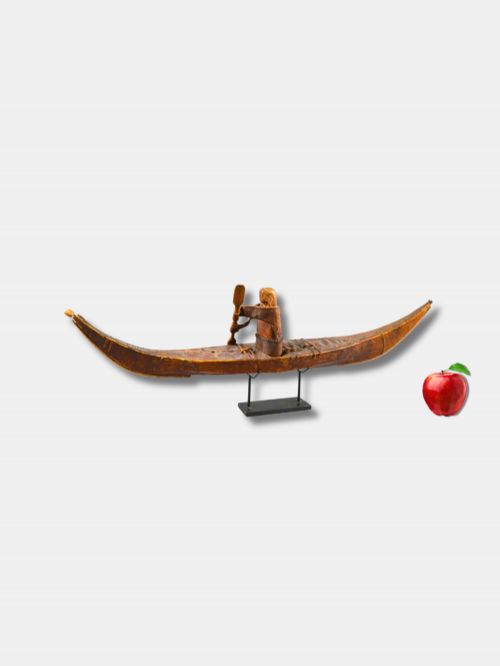
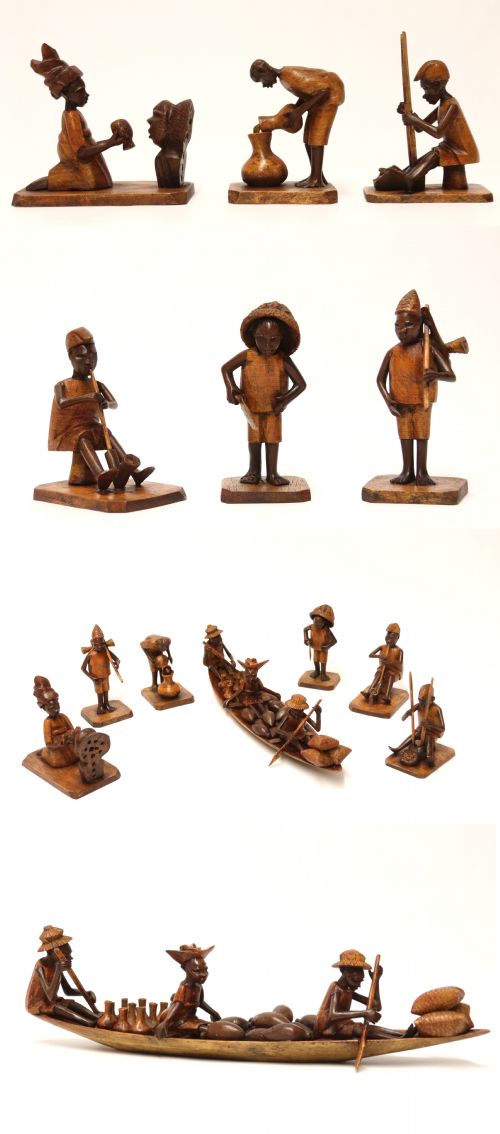
A vintage tribal wood sculpture encompasses carved objects, figures, masks, and functional items rooted in specific regional traditions. When searching this phrase, buyers encounter pieces spanning from the nineteenth century through the early decades of the twentieth century. These artefacts originate from varied cultural contexts, including West African, Edo, Inuit, and Indonesian traditions.
Materials and construction
Organic patinas develop from handling and age, while specific items integrate mixed elements like tanned seal skin or applied colour. The technical execution ranges from the articulated joints of an Edo lay figure to the fluid relief carving found on Sepik River canoe prows.
Vintage Tribal Wood Sculpture Retail Price Guide 2026
Typical asking prices for vintage tribal wood sculpture among the pieces listed under this phrase on Sellingantiques today, from the lower quarter to the upper quarter. They describe what is for sale here now, not the wider market.
Materials documented across the listings include dense hardwood, carved wood, bone, iron, pigment, and tanned seal skin.
Assessing quality in carving
Quality rests upon the sculptural confidence of the carving, the crispness of detail, and the depth of the natural surface patina. Pieces executed with assured proportions and dynamic posture stand apart from stiffer, more generic workshop output.
The integration of secondary materials, such as well-fitted bone elements or original mineral pigments, influences the visual weight of an artefact. Condition and surface integrity further separate standard utilitarian objects from works possessing strong sculptural presence.
The Vintage Tribal Wood Sculpture Glossary
- Patina
- The surface sheen and colour acquired through handling, age, and environmental exposure over decades. This natural layer forms a key indicator of authenticity and historical depth.
- Lay figure
- An articulated wooden model utilised by artists to study human anatomy and drapery. These jointed sculptures allow for realistic posing.
- Canoe prow
- A carved wooden terminal end of a watercraft, often decorated with protective zoomorphic or anthropomorphic motifs. These functional carvings reflect distinct regional iconography.
- Shoulder mask
- A large ceremonial mask designed to rest upon the wearer's shoulders rather than the face. Such pieces often display elaborate superstructure carvings and pigment decoration.
- Hardwood
- Timber derived from broad-leaved trees, prized for its density and durability. Carvers select these heavy woods to ensure fine detail retention.
Vintage Tribal Wood Sculpture: Frequently Asked Questions
How should I display a tribal sculpture?
Place sculptures on stable surfaces away from direct heat sources and strong sunlight to protect the timber and pigments.
Mount larger pieces securely on custom stands to highlight their three-dimensional form and grain structure.
What periods do these carvings date from?
The pieces span the nineteenth century through the early decades of the twentieth century, including Edwardian examples.
Dates are determined by stylistic markers, material analysis, and documented regional production methods.
Are these sculptures purely decorative?
Many items served ceremonial, ritual, or utilitarian functions within their original cultural contexts before becoming collector pieces.
Objects range from fertility figures and ritual masks to functional items like spoons, combs, and canoe prows.
How do I care for antique wood carvings?
Maintain a stable indoor humidity level to prevent the hardwood from drying out or splitting over time.
Dust the surface gently with a dry, soft cloth and avoid applying modern polishes or oils to the historic patina.