





Pacific Island Tribal Carving
These pacific island tribal carving examples bring potent sculptural presence and cultural heritage into a room, offering distinct warrior history and Island craftsmanship.
Pacific Island Tribal Carving
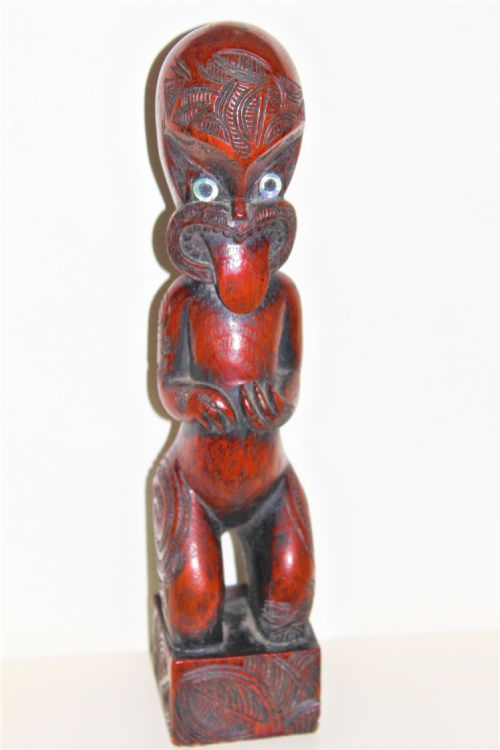
When you search for pacific island tribal carving, you encounter authentic material culture from Oceania, including war clubs, figures, bowls, and canoe prow carvings. These items originate predominantly across the nineteenth century, with specific examples stretching back into the eighteenth century.
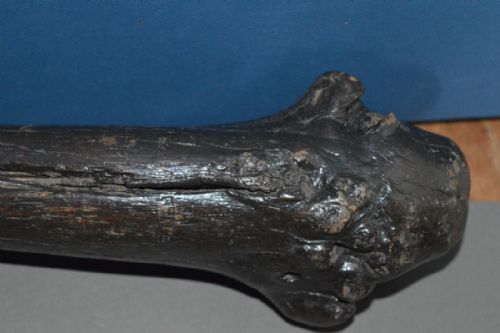
The most common versions met on this page are functional warrior items and ceremonial objects. You will frequently find Fijian ula clubs, New Caledonian bird head war clubs, and Sepik River carvings shaped from dense timber.
Geographic origins span Polynesia, Melanesia, and the wider South Seas, taking in New Caledonia, Fiji, Papua New Guinea, and New Zealand. Each region imparts distinct sculptural traditions and utilitarian forms to the carved wood.
How they were made
Maker communities shaped these objects primarily from hardwood and polished hardwood using traditional adzes and handheld tools. Artisans selected dense native timbers capable of enduring the demands of combat and ceremonial use.
Surfaces often incorporate organic additions such as fibre, rattan, bone, and pigment to secure bindings or accentuate sculptural details. The interplay of carved wood and natural fibres defines the tactile reality of these Pacific artefacts.
Pacific Island Tribal Carving Retail Price Guide 2026
Typical asking prices for pacific island tribal carving among the pieces listed under this phrase on Sellingantiques today, from the lower quarter to the upper quarter. They describe what is for sale here now, not the wider market.
Some nineteenth century warriors carved ferocious crocodile heads onto canoe prows, ensuring that even a quiet paddle down the river looked like an aquatic ambush.
What varies in quality
Quality rests in the vigour of the carving and the purity of the sculptural line rather than mere age alone. Pieces displaying confident, deep tool marks and well-balanced proportions command attention.
Condition and patina tell the story of tribal use and handling over generations. A deep, handling-worn surface with intact fibre bindings elevates an object far above a dry, neglected timber.
The Pacific Island Tribal Carving Glossary
- Ula
- A throwing club from Fiji featuring a globular head and a slender shaft. Warriors tucked several of these into their belts for combat.
- Porowa
- A specific regional designation for traditional war clubs found in New Caledonia. These weapons often display zoomorphic motifs like bird heads.
- Canoe prow
- The forward decorative extension of a seagoing vessel, frequently carved with ancestral or animal figures to protect the journey. Sepik River examples demonstrate this sculptural ambition.
- Patina
- The surface sheen and colour developed through years of handling, smoke, and application of oils. It serves as a key indicator of age and genuine use.
Pacific Island Tribal Carving: Frequently Asked Questions
What materials are used in pacific island tribal carving?
These pieces are predominantly fashioned from heavy native hardwoods, sometimes accented with bone, fibre, rattan, and natural pigment.
Makers utilised the dense timbers available in their local island environments to ensure durability for weapons and ritual vessels.
How old are most of these carvings?
The majority of pieces date from the nineteenth century, with occasional examples extending back into the late eighteenth century.
Such dating relies on historical recording of the colonial contact period and the style of the tool work.
Were these items actually used in combat?
Many of the objects listed are functional war clubs and fighting implements designed for close encounter.
Others served ceremonial functions, communal feasting as hanging bowls, or spiritual protection on canoe prows.
How should I display a tribal club or carving?
Mount these pieces securely on custom stands that respect their weight and sculptural balance without damaging the wood.
Keep them away from direct sunlight and sudden humidity changes to preserve the historic timber and attached fibres.