

Grey Furniture
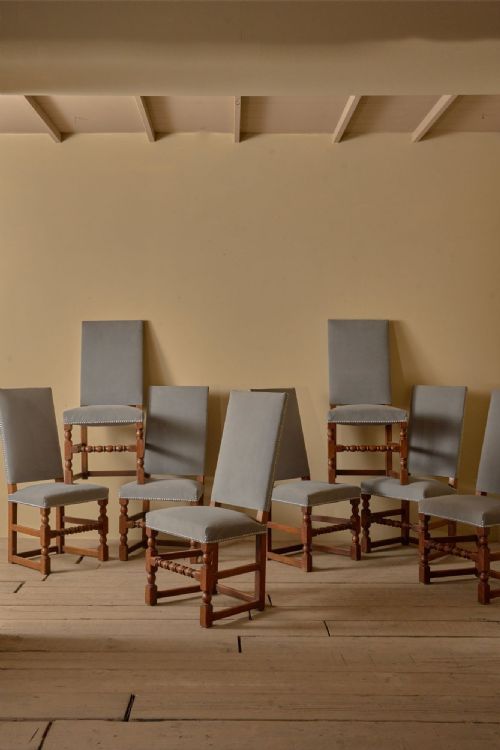
Grey antique furniture brings together painted pine, mahogany, and marble across 18th- and 19th-century European forms, offering a muted finish that suits modern rooms.
Grey Furniture
Grey antique furniture encompasses period pieces finished in historic paint schemes, alongside natural woods and marbles that have aged to neutral tones. Buyers seeking grey antique furniture encounter items ranging from Swedish Gustavian commodes and French Provincial storage to Victorian pine chests and Hungarian painted benches.
The selection on this page leans heavily toward 18th- and 19th-century European craftsmanship, particularly Scandinavian, French, and Hungarian country pieces. Chests of drawers, commodes, console tables, and settles dominate the forms, reflecting how utilitarian items survived through successive layers of paint.
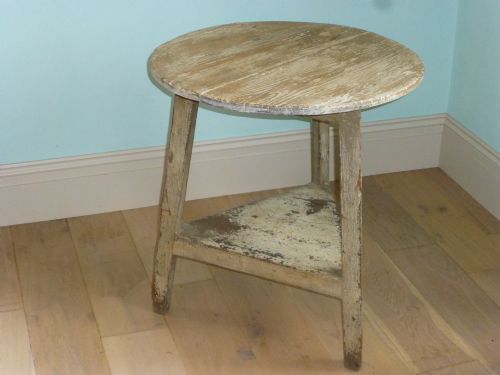
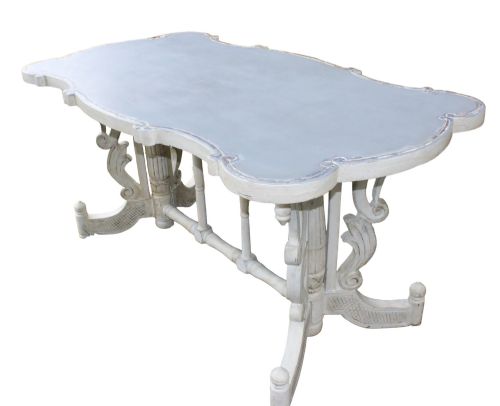
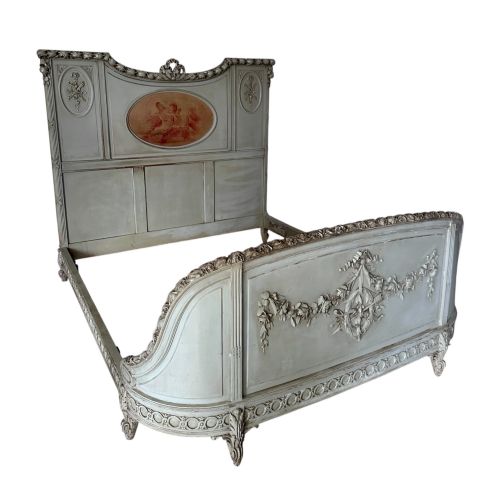
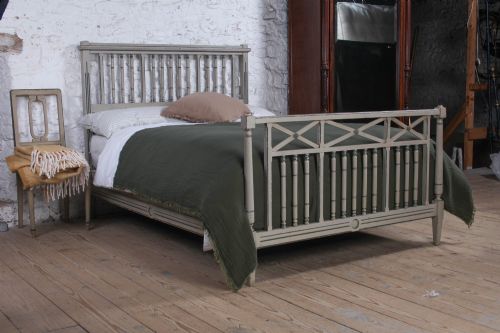
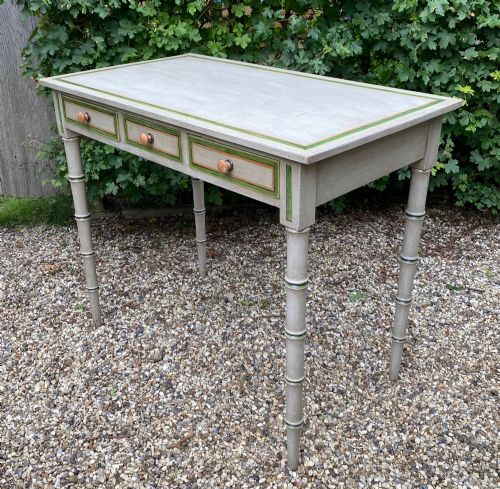
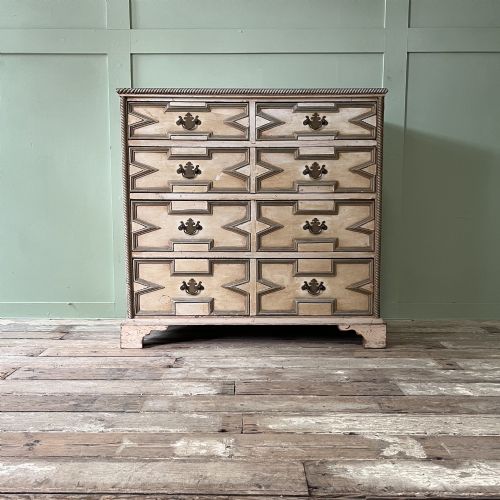
Painted finishes in various shades of grey, cream, and silvered tones appear alongside unpainted mahogany, walnut, teak, and beech. These surfaces give domestic utility pieces from past centuries a quiet presence that fits contemporary interiors.
How they were made
Makers constructed these pieces using solid pine, oak, walnut, and mahogany, often joining panels with traditional dovetails and mortise-and-tenon joints. Painted surfaces typically consist of multiple layers of lead or oil-based paint applied over softwoods like pine, which accepted and held historic colour through decades of wear.
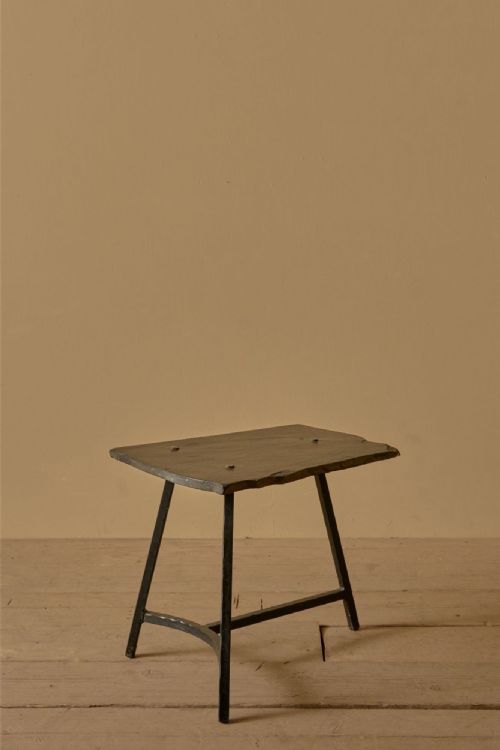
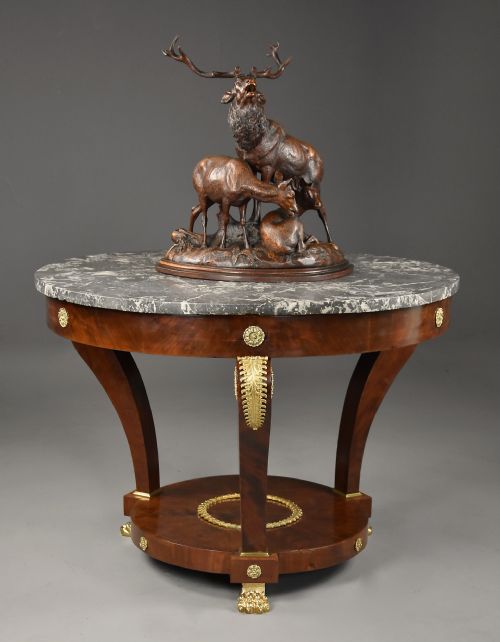
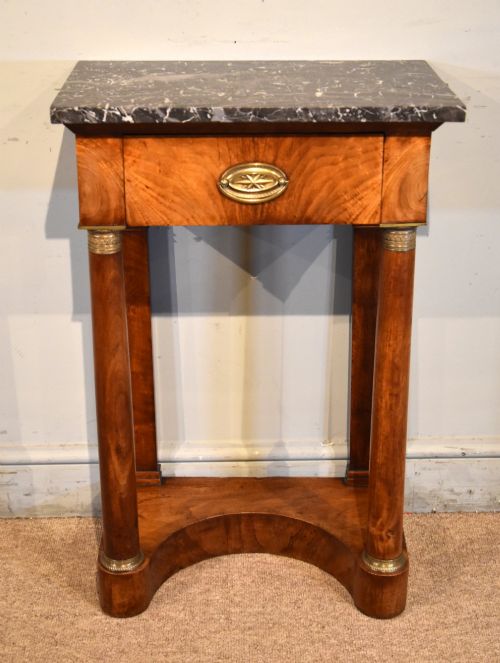
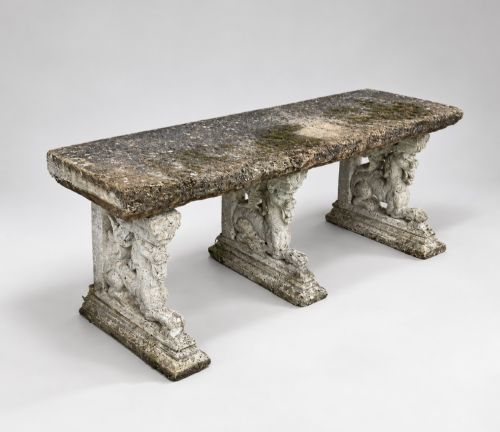
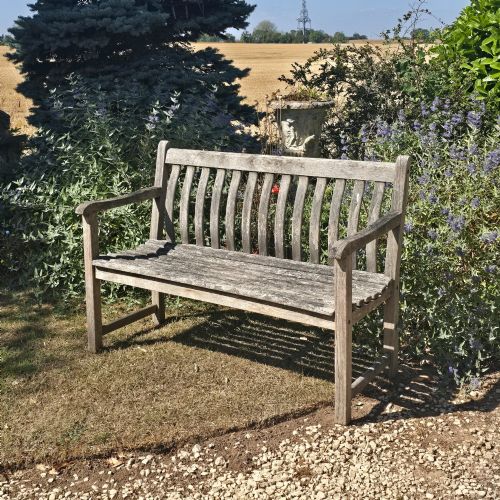
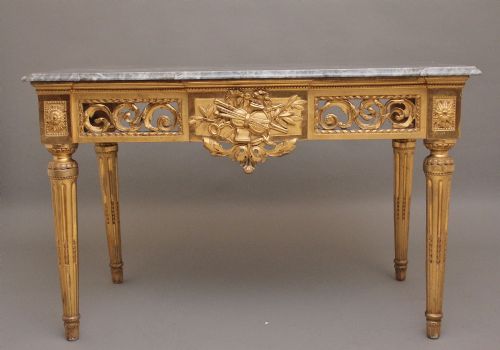
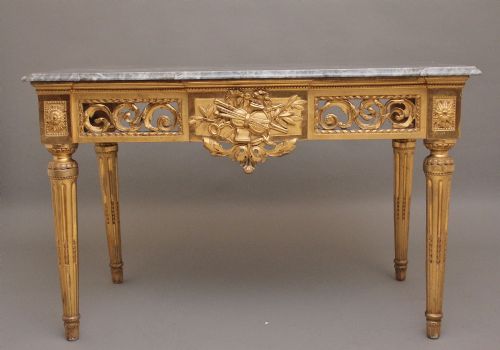
Marble tops, fitted to commodes and console tables, provide durable surfaces supported by timber frames. Wrought iron, brass, and metal elements appear on hardware, garden benches, and campaign chests, demonstrating functional metalworking alongside cabinetmaking.
Grey Furniture Retail Price Guide 2026
Typical asking prices for grey furniture among the pieces listed under this phrase on Sellingantiques today, from the lower quarter to the upper quarter. They describe what is for sale here now, not the wider market.
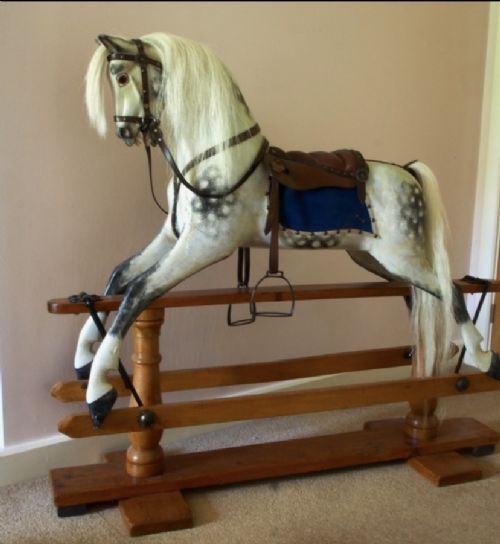
Rocking horses by G & J Lines and F.H.Ayres stand alongside fine commodes and garden benches, proving that antique grey furnishings include childhood companions.
What varies in quality
Quality rests in the integrity of the original construction and the survival of historic paint surfaces rather than pristine condition. Pieces retaining their original grey or painted schemes without extensive modern repainting command greater interest from collectors.
The sophistication of the joinery and carcase construction separates standard utilitarian boxes from finer salon furniture. Hand-carved giltwood details on Italian consoles or precise parquetry on Louis XVI commodes indicate workshops employing high-level cabinetmakers.
Sir Clough Williams-Ellis·G & J Lines of London·F.H.Ayres·Hille
The Grey Furniture Glossary
- Commode
- A low chest of drawers or cabinet, often fitted with a marble top. These French and continental pieces served domestic storage needs in bedchambers.
- Gustavian
- The Swedish interpretation of neoclassical style, characterised by restrained lines, pale painted finishes, and minimal carved ornamentation. This style emerged during the late 18th century.
- Parquetry
- Geometric wood inlay patterns used to decorate the surfaces of tables and commodes. Craftsmen arranged contrasting timber veneers to create textural designs.
- Settle
- A wooden bench with high backrests, solid armrests, and a box seat for storage. These domestic items provided seating near hearths in traditional interiors.
- Vitrine
- An enclosed glass-fronted cabinet designed for displaying porcelain and curiosities. Dutch and continental versions utilised timber frames with glazed doors.
Grey Furniture: Frequently Asked Questions
How do I date grey antique furniture?
Dating relies on examining construction methods, timber species, and the layering of paint surfaces. Tool marks, dovetail dimensions, and hardware styles help anchor a piece to specific decades.
Paint analysis reveals whether grey finishes are original to the 18th or 19th century or later decorative applications. Comparing carcase designs to known regional furniture types narrows down the origin.
Are painted finishes original?
Many painted surfaces show wear, craquelure, and subtle tone variations that indicate historic or original application. Layering under magnification helps distinguish period paint from modern restorations.
Country pieces from Sweden, France, and Hungary frequently retain early grey or neutral paint. Professional examination of the underlying wood and primer layers confirms the age of the finish.
How do I care for antique painted surfaces?
Maintenance requires avoiding harsh chemical cleaners and modern polishes that can soften historic paint layers. Dusting with a dry, soft cloth preserves the fragile finish.
Keeping pieces away from direct sunlight and moisture fluctuations prevents the underlying timber from expanding and cracking the paint. Wax is occasionally applied to unpainted wood elements but should be kept off historic paint.
What is a Gustavian commode?
A Gustavian commode is a Swedish neoclassical chest of drawers featuring straight tapered legs and pale painted finishes. These pieces reflect French influence adapted to Scandinavian restraint.
Carved details remain subtle, focusing on fluting, rosettes, and panel mouldings under grey or cream paint. They functioned as refined storage furniture in Nordic homes.