


Green Wingback Fireside Armchair
A green wingback fireside armchair brings warmth and traditional comfort to a room, offering deep seating and protective side panels.
Green Wingback Fireside Armchair
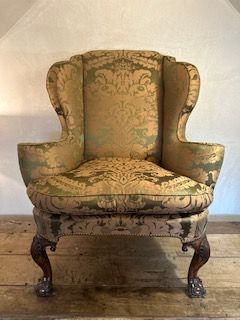
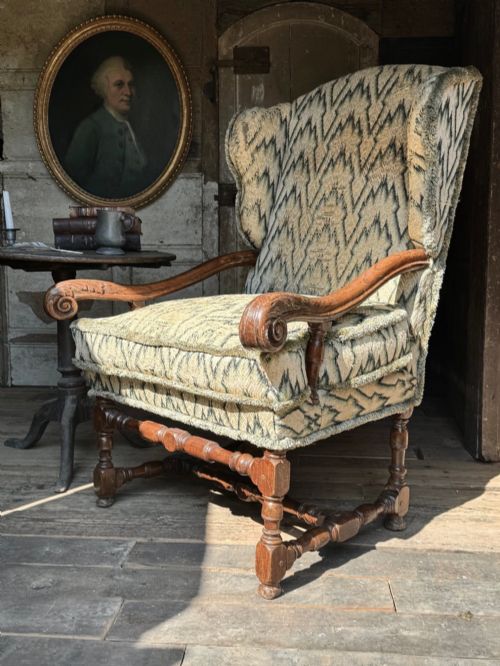
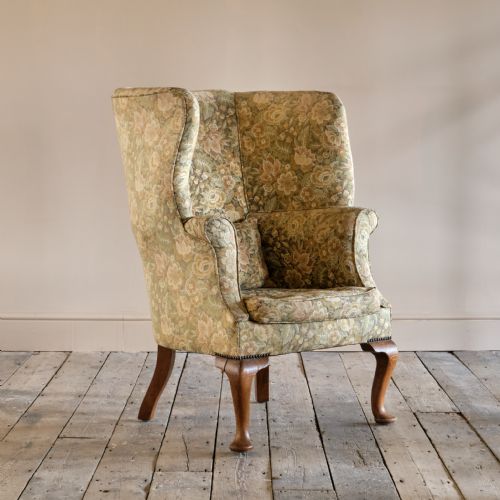
A green wingback fireside armchair is a classic form designed to shield the sitter from draughts while retaining heat from an open hearth. These seating pieces appear across multiple periods, including the 18th century, the Victorian era, and the Edwardian period.
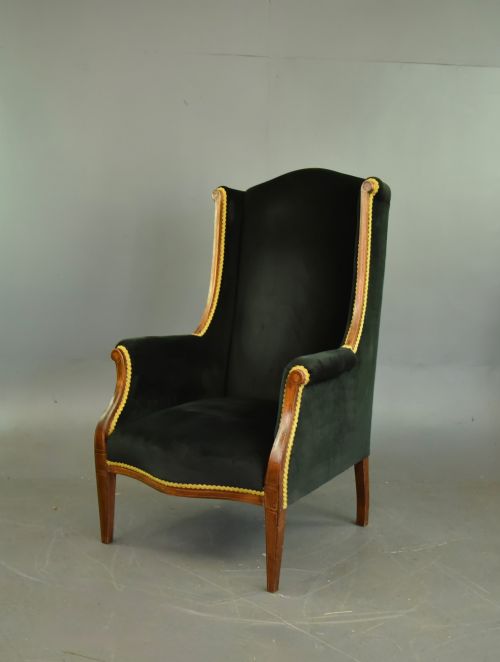
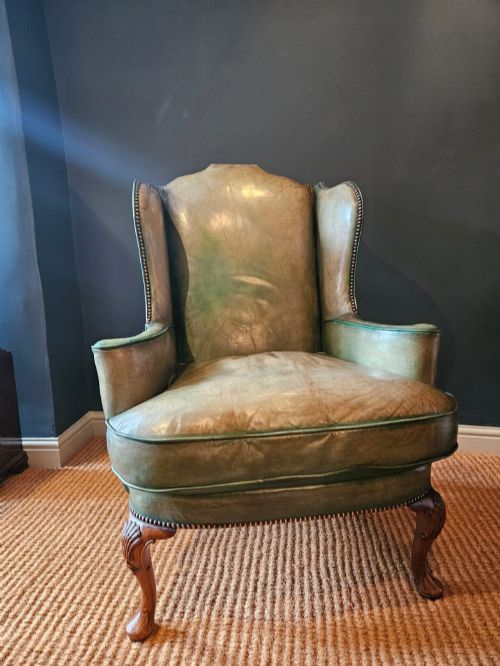
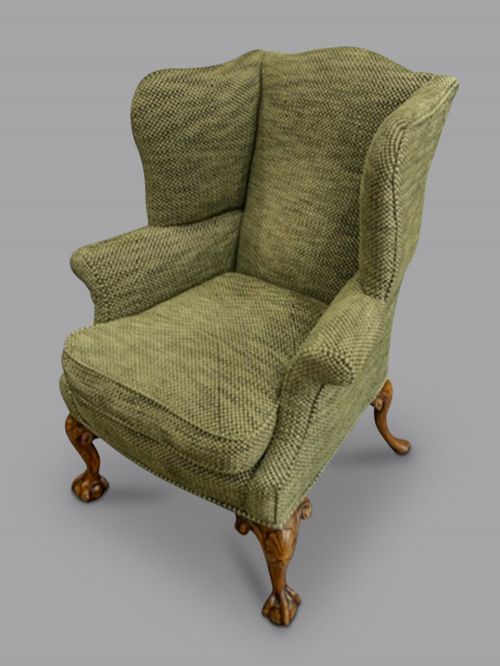
The most common examples on this page date from the 19th and early 20th centuries, often constructed in revival styles such as Queen Anne or George III. Buyers frequently encounter versions upholstered in green velvet, leather, and tapestry fabric.
Frames vary from simple hardwood structures to elaborate designs featuring mahogany or walnut. The distinctive high back and prominent wings define this seating category, alongside variations like barrel backs and library armchairs.
Materials and construction
Frames rely on solid timbers such as mahogany, walnut, oak, and general hardwood to provide structural integrity. Selected pieces incorporate cabriole legs, inlaid woodwork, and brass details.
Upholstery materials range from tactile velvet and leather to traditional tapestry fabric. Many examples feature button-back detailing and specialised stuffing suited to period seating.
Listings span the 18th, 19th, and early 20th centuries, featuring walnut, mahogany, oak, and hardwood frames upholstered in leather, velvet, and tapestry fabric.
Evaluating craftsmanship
Quality rests in the proportion of the wooden frame and the precision of the carved cabriole legs or woodwork. Superior examples maintain balanced proportions between the high back and the enveloping wings.
The choice of covering material and the execution of the upholstery, whether smooth leather or textured velvet, mark the distinction between standard production and finer pieces.
The Green Wingback Fireside Armchair Glossary
- Wingback
- A chair design featuring side panels attached to the arms and back to block draughts. These protective extensions characterise traditional fireside seating.
- Cabriole leg
- A furniture leg featuring a double curve, typically swelling outward at the knee and tapering inward at the foot. This form is common on 18th-century and revival frames.
- Barrel back
- A seating design where the back and arms form a single semi-circular curved enclosure. This shape provides a snug, enclosed seat.
- Queen Anne style
- A design movement characterised by curved lines, pad feet, and graceful proportions. Pieces in this style often feature walnut frames.
Green Wingback Fireside Armchair: Frequently Asked Questions
How do I identify an 18th-century wing chair?
Authentic 18th-century pieces display period timber characteristics, hand-carved cabriole legs, and traditional frame construction methods without modern fixings.
Examination of the underlying woodwork and structural wear helps distinguish genuine early pieces from later revival interpretations.
What is the difference between leather and velvet upholstery here?
Leather provides a durable, smooth surface that develops a natural patina over decades of use. Velvet offers a softer, tactile texture that enhances the traditional aesthetic of a fireside chair.
Both materials appear historically across different periods represented on this page.
Where should I place a wingback armchair?
These chairs suit traditional fireside settings, studies, and libraries where their high backs and wings can provide a private seating nook.
Their substantial form works best in rooms with enough space to accommodate their deep proportions.
Are Edwardian wing chairs comfortable?
Edwardian versions were built for relaxed domestic comfort, often featuring sprung seats and padded armrests.
They combine period aesthetics with the softer cushioning developments of the early 20th century.