





Green Vintage Carpet
A green vintage carpet brings botanical depth and historic weave to a room through centuries of hand-knotted wool and vegetable dyes.
Green Vintage Carpet
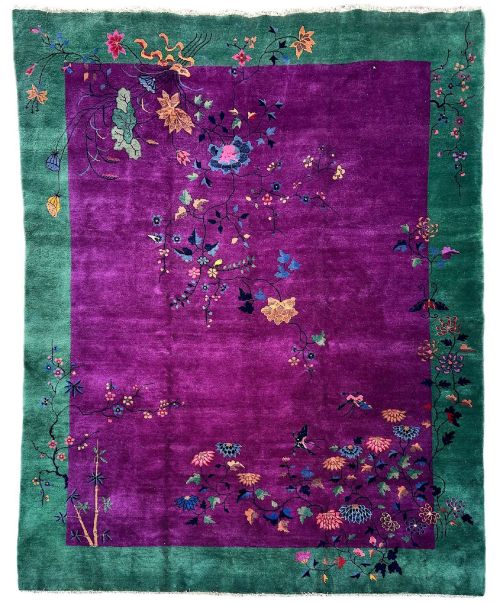
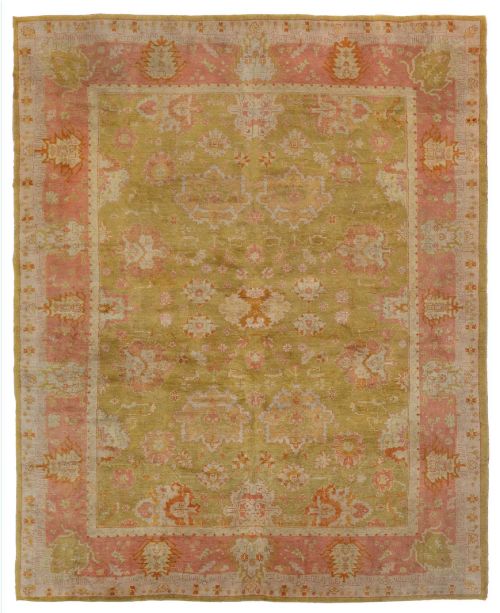
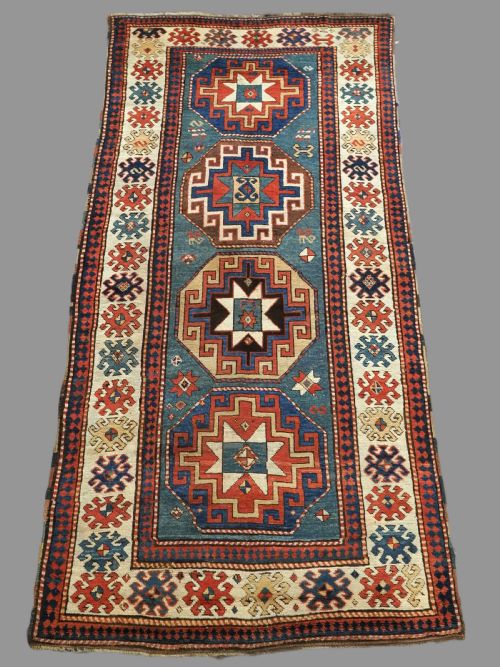
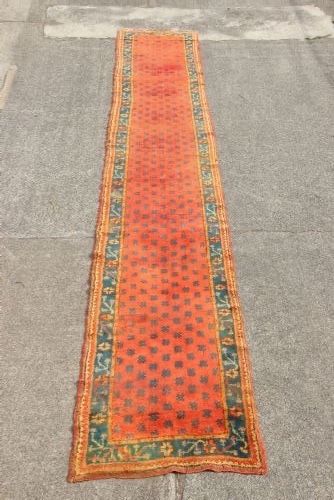
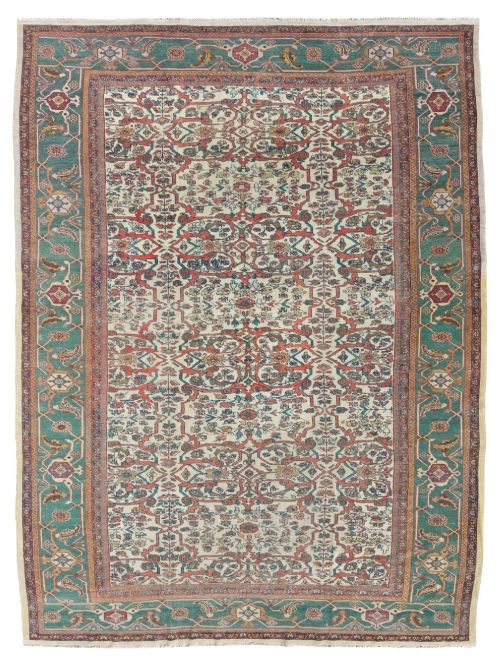
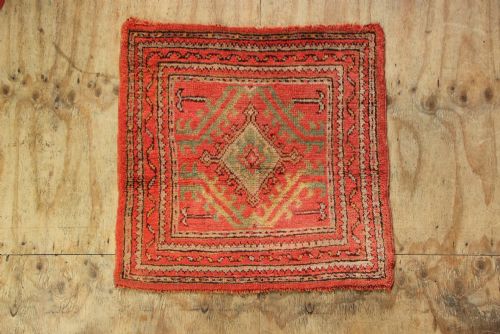
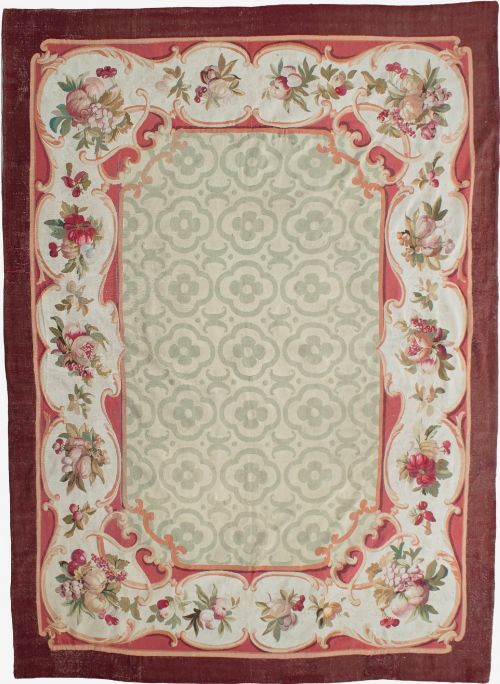
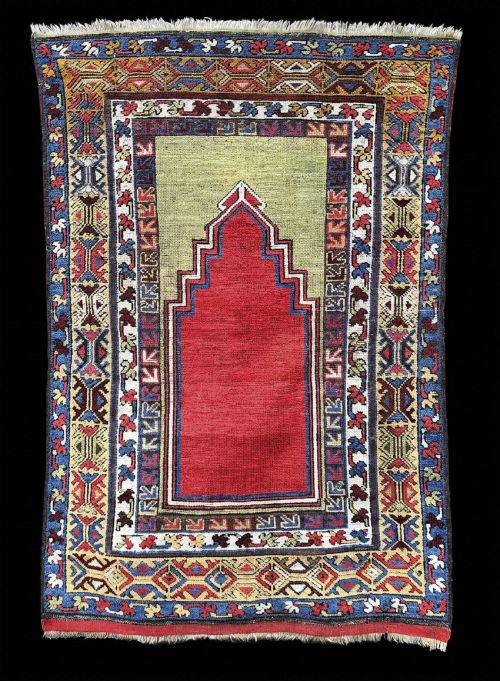
A green vintage carpet encompasses hand-knotted room-size floor coverings, long narrow runners, and small prayer rugs originating from nineteenth-century and early twentieth-century weaving centres.
The selections encountered here most frequently include Turkish Ushak and Oushak productions, Caucasian Kazak and Karachov pieces, and Persian room carpets featuring green grounds.
Makers ranged from village weavers producing geometric tribal designs in Anatolia and the Caucasus to larger workshops in Persia crafting curvilinear floral room carpets.
Materials and construction
Weavers relied principally on hand-spun wool for the pile and cotton or wool for the warp and weft foundations, occasionally utilising canvas, linen, or iron elements in related storage furniture.
Dyes derived from natural botanical sources yielded distinct shades of green, blue, and pistachio that developed rich patinas over decades of use.
Green Vintage Carpet Retail Price Guide 2026
Typical asking prices for green vintage carpet among the pieces listed under this phrase on Sellingantiques today, from the lower quarter to the upper quarter. They describe what is for sale here now, not the wider market.
Several rugs arrived with pistachio and aquamarine grounds, proving that nineteenth-century weavers enjoyed a remarkably fresh palette.
Gradations in quality
Quality rests upon the fineness of the knot density, the integrity of the wool foundation, and the complexity of the design layout across the field.
The depth and stability of the natural green dye saturation determine visual impact, alongside the original proportions of runners and room-size carpets.
The Green Vintage Carpet Glossary
- Ground
- The main background field of a carpet upon which medallions and motifs sit. This area defines the dominant colour scheme of the piece.
- Prayer rug
- A small format rug featuring a mihrab or niche design, traditionally utilised for personal devotion in Islamic cultures. Central Anatolian workshops produced many notable examples.
- Kilim
- A flat-woven textile produced without a pile, utilising slit-tapestry techniques. These pieces function as lightweight floor coverings or wall hangings.
- Runner
- A long, narrow carpet format designed specifically for hallways, staircases, and corridors. Turkish Oushak looms frequently produced these extended proportions.
Green Vintage Carpet: Frequently Asked Questions
How do I clean a vintage carpet?
Vacuum gently without a beater bar and rely on professional textile conservators for periodic washing to protect delicate wool fibres.
Avoid chemical spot treatments that can strip natural dyes from the pile.
Where were these carpets made?
The pieces originate primarily from traditional weaving regions including Anatolia, the Caucasus, and Persia during the nineteenth and early twentieth centuries.
Distinct village traditions and urban workshop centres each developed recognisable regional designs.
Are all green carpets antique?
The selection spans from the mid-nineteenth century through the early twentieth century, encompassing specific periods such as the eighteen-eighties and nineteen-twenties.
Stylistic markers and foundation materials help distinguish these older productions from later reproductions.
Can I place a runner in a hallway?
Long narrow formats function effectively in corridors and passageways when paired with a quality underlay to prevent shifting.
Check the exact dimensions against your space to ensure doors clear the pile height.