



Green Stone Sculpture
Green stone sculpture spans centuries of carving from European Grand Tour models to Chinese hardstone figures, offering tactile presence and rich mineral colour to interior spaces.
Green Stone Sculpture
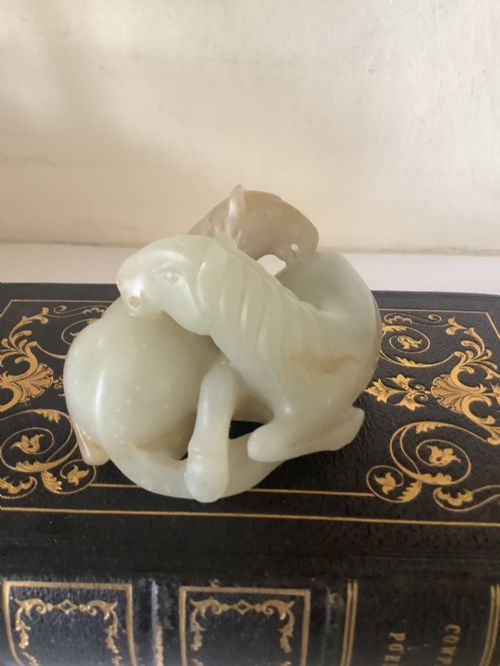
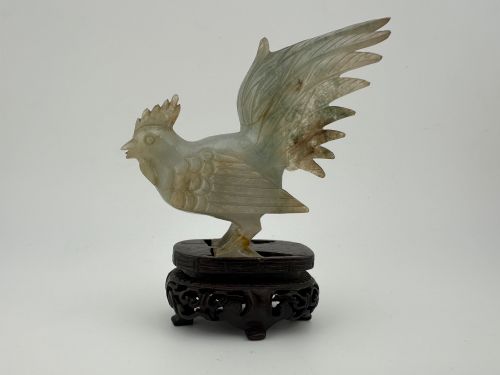
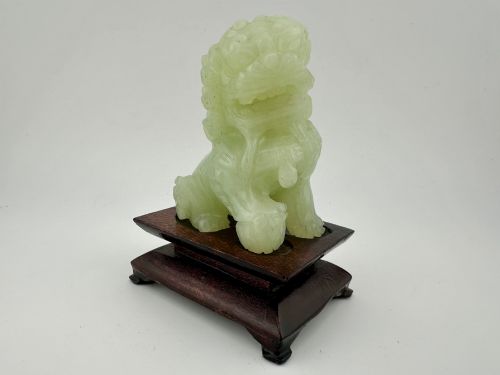
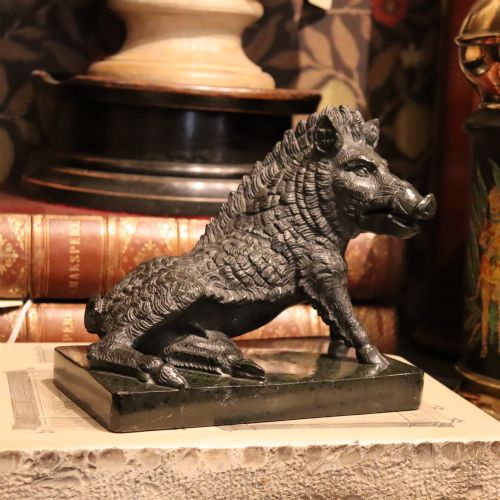
When you search for green stone sculpture, you encounter a diverse group of carved objects ranging from European Grand Tour classical replicas to East Asian jade and soapstone figures. These pieces encompass decorative animals, mythological figures, architectural pedestals, and landscape carvings drawn from multiple centuries.
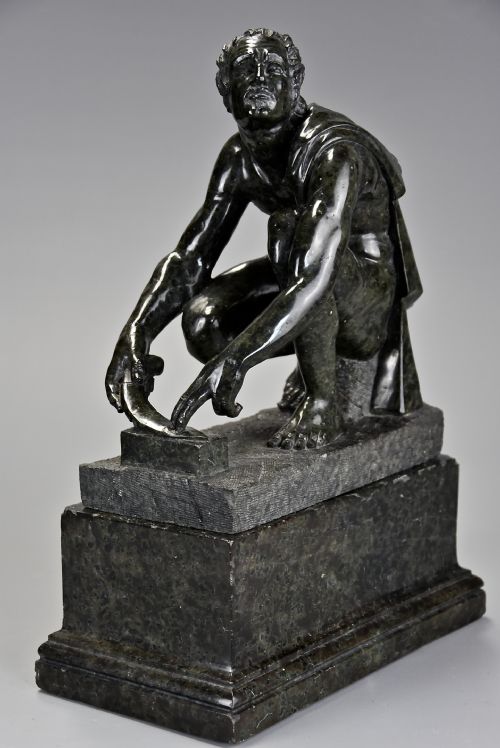
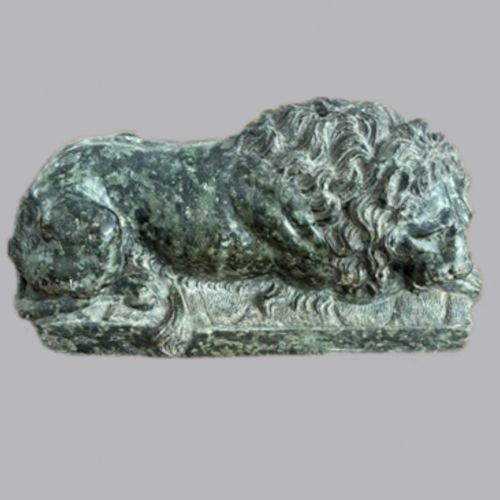
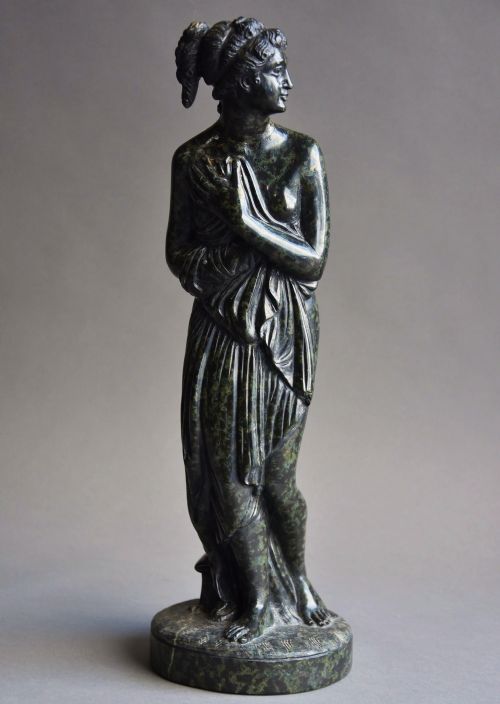
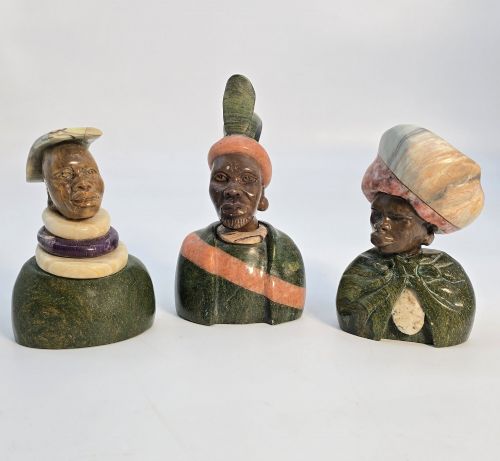
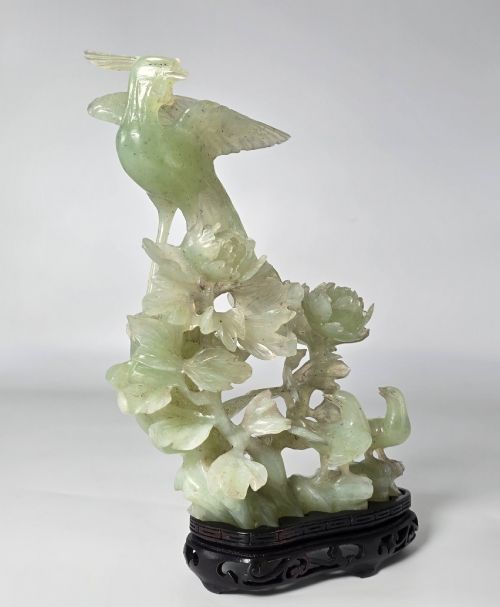
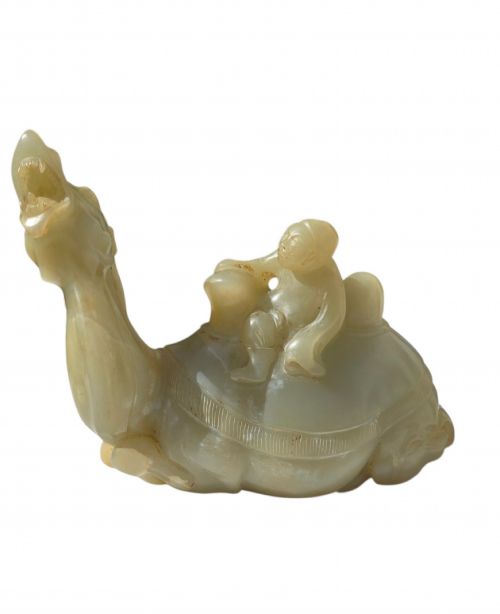
The most common examples on this page are Italian Grand Tour serpentine marble models of classical lions, boars, and figures, alongside Chinese carved jade, bowenite, and soapstone groups. You also find African portrait busts, Inuit soapstone fish, and French onyx obelisks.
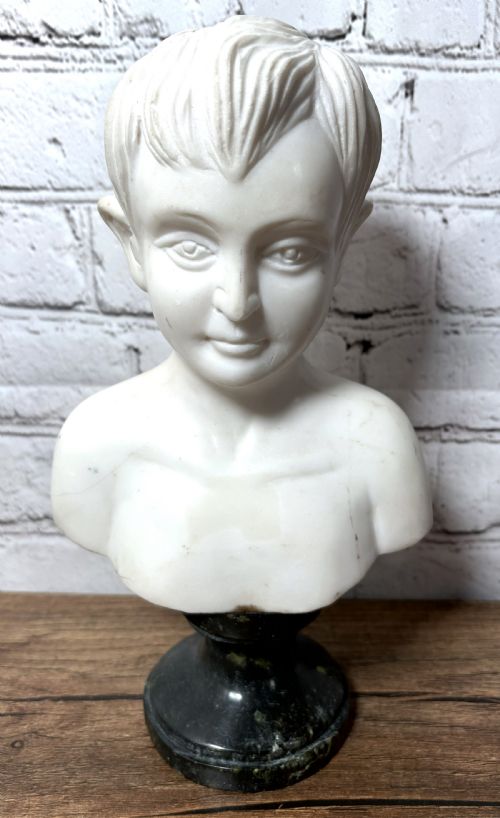
These sculptures serve primarily as decorative objects for libraries, drawing rooms, and studies, often displayed alongside matching marble columns and pedestals. Their forms bridge classical antiquity, Asian tradition, and vernacular folk art.
Materials and carving techniques
Carvers shaped these pieces from dense natural minerals, utilising materials such as serpentine, jade, marble, soapstone, and alabaster. These stones offer varied hardness, requiring skilled hand chiselling, drilling, and polishing to achieve fine detail.
Many Asian works incorporate fitted hardwood stands that complement the organic contours of the jade or bowenite carvings. European classical works rely on turning lathes and abrasive powders to finish smooth marble columns and serpentine animal models.
Several nineteenth-century Italian sculptors carved identical posture hounds because wealthy travellers simply could not resist buying matching pairs of ancient Roman dogs.
Assessing detail and material selection
Quality in these carvings rests upon the clarity of the mineral and the precision of the hand-carved details. Superior pieces display natural stone variegation that enhances the anatomy of an animal or the drape of drapery.
The Green Stone Sculpture Glossary
- Serpentine
- A hydro-silicate of magnesium, typically olive green, often polished to resemble more expensive marbles. It served frequently for Italian Grand Tour animal models.
- Grand Tour
- A cultural journey undertaken by wealthy young Europeans in the eighteenth and nineteenth centuries, collecting classical souvenir sculptures upon their return. These souvenirs replicated famous antiquities.
- Soapstone
- A talc-schist metamorphic rock that feels soapy to the touch and offers high softness for intricate carving. Chinese workshops utilised it extensively for figural groups.
- Hardstone
- A general term for semi-precious stones harder than ordinary marble, including jade, jasper, and agate. Craftsmen carved them into miniature landscapes and animal figures.
Green Stone Sculpture: Frequently Asked Questions
How do I clean green stone sculpture?
Dust these pieces regularly with a dry, soft cloth to prevent particulate buildup on polished mineral surfaces. Avoid water or chemical cleaners, particularly on softer soapstone and alabaster works.
Natural stones absorb moisture and oils from handling, which can alter the finish over time. Consult a specialist conservator before attempting any deep cleaning on antique hardstone.
Where should I display these sculptures?
Place heavier marble and serpentine figures on stable wooden furniture or dedicated stone pedestals that support their weight. Keep them away from direct sunlight and dramatic temperature fluctuations.
Smaller jade and soapstone carvings suit enclosed cabinets where you can examine their translucent qualities closely. Ensure the display surface remains level to prevent accidental toppling.
How do I date a green stone sculpture?
Examine the tool marks, mineral preparation, and stylistic cues against documented periods such as the nineteenth century Grand Tour or Qing Dynasty. Wear patterns on the base often indicate the passage of time.
Compare the carving technique with dated examples of similar regional origin, noting how specific motifs evolved across centuries. Material composition also guides attribution when combined with stylistic analysis.
What is the difference between jade and soapstone?
Jade is an extremely hard mineral that resists scratching and requires specialised abrasive tools to carve. Soapstone is significantly softer, allowing for deep, rapid incision and detailed figural work.
Jade exhibits a cool, dense weight and subtle translucence, whereas soapstone feels warmer and softer to the touch. Both materials found favour in Asian sculpture traditions.