





Green Stone Marbles
Green stone marbles are solid mineral spheres and carved ornamental objects that bring weight and rich geological colour to an interior.
Green Stone Marbles
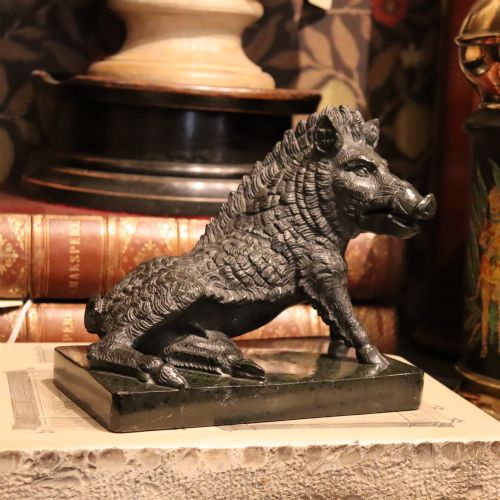
Green stone marbles encompass everything from actual spherical gaming marbles and solitaire sets to grand carved animal figures, columns, and desk accessories. When searching for green stone marbles, buyers encounter objects predominantly originating from nineteenth-century Grand Tour travels in Italy alongside twentieth-century Art Deco functional pieces.
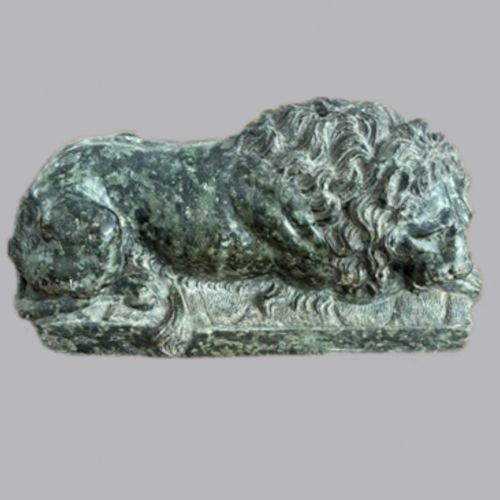
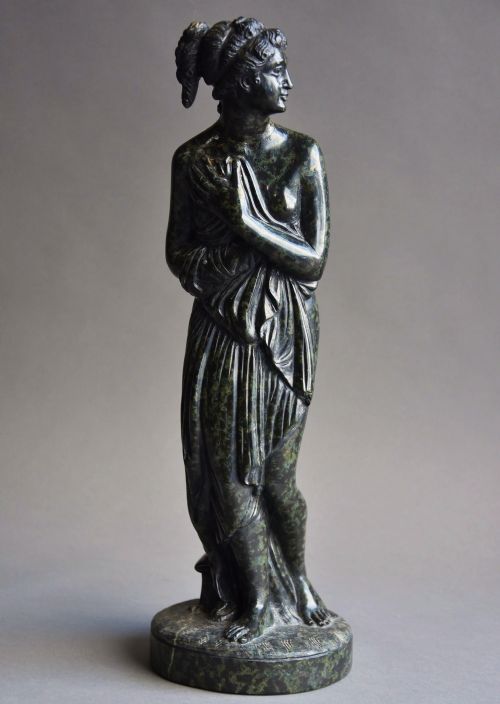
The nineteenth-century examples lean heavily towards classical sculpture, recumbent lions, and architectural models carved from serpentine and verde antico. By the nineteen-thirties, the focus shifted towards geometric onyx desk stands, table lamps, and polished solitaire boards incorporating malachite and green marble.
Materials and carving techniques
The physical substance of these pieces relies on hard metamorphic rocks, principally serpentine, onyx, and various variegated green marbles capable of taking a high gloss polish. Artisans utilised chisels, saws, and abrasive powders by hand to shape solid blocks into figurative sculptures or architectural pedestals.
Later twentieth-century production integrated turned brass mounts and metal fittings to support lamps, clocks, and desk boxes. The combination of dense stone with polished metal highlights the natural banding and colour variations inherent in the mineral.
Several stone lions keeping watch across these listings trace their ancestry directly back to ancient Roman sculpture via nineteenth-century souvenir workshops.
Assessing quality in carved stone
Quality rests in the precision of the carving and the depth of the mineral pattern, distinguishing a spirited animal sculpture from a rigid mechanical production. Nineteenth-century Grand Tour pieces show anatomical fidelity and careful hand-finishing that lesser decorative items lack.
The selection of the raw stone itself dictates the visual success of the piece, where uninterrupted veining and rich colouration elevate simple geometric forms like obelisks and columns into striking decorative focal points.
The Green Stone Marbles Glossary
- Serpentine
- A dark green metamorphic rock rich in magnesium and silicates, often patterned with lighter veins and favoured by Italian carvers for Grand Tour animal models.
- Grand Tour
- The nineteenth-century travel tradition where wealthy tourists acquired classical sculptures, architectural models, and carved vases in Italy as cultural mementos.
- Verde Antico
- A dark green serpentine breccia used since classical antiquity for decorative columns, urns, and architectural trim.
- Solitaire board
- A tabletop board with a recessed grid of dimples designed for playing a solo peg or marble puzzle game, frequently produced in onyx and malachite during the Art Deco period.
Green Stone Marbles: Frequently Asked Questions
What are green stone marbles used for?
These pieces serve primarily as decorative objects, heavy bookends, and functional desk accessories that anchor an interior with geological texture and historical weight.
Spherical marbles were used for traditional tabletop games, while larger carved figures and obelisks functioned as display ornaments in period libraries and studies.
How do I date a marble or onyx piece?
Dating relies on stylistic markers, such as the classical subjects and hand-carved details typical of nineteenth-century Grand Tour items, compared to the streamlined geometries of nineteen-thirties Art Deco designs.
Materials also offer clues, as specific green onyxes and combined brass mounts became prominent in European decorative arts around the interwar period.
What is the difference between marble and onyx?
True marble is a metamorphic rock formed from recrystallised carbonate minerals, showing dense and varied crystalline structures.
Onyx used in these decorative objects is actually a banded variety of chalcedony or calcite that often exhibits translucency when polished thin.
How should I clean carved stone surfaces?
Dusting with a dry, soft cloth is sufficient for routine maintenance to prevent microscopic particles from dulling the high gloss finish.
Avoid chemical detergents or soaking, as moisture and harsh substances can penetrate unsealed stone or corrode integrated brass mounts.