



Green Silver Brooch
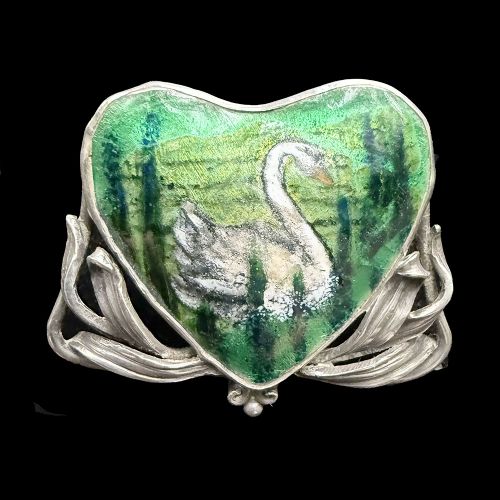
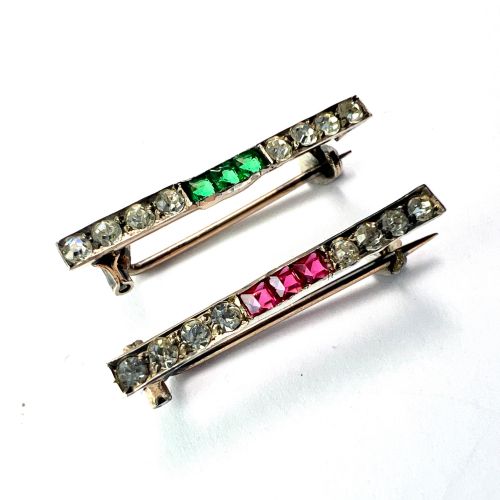
A green silver brooch brings together cool metal and vibrant enamel or stones, offering a distinct flash of colour on a lapel.
Green Silver Brooch
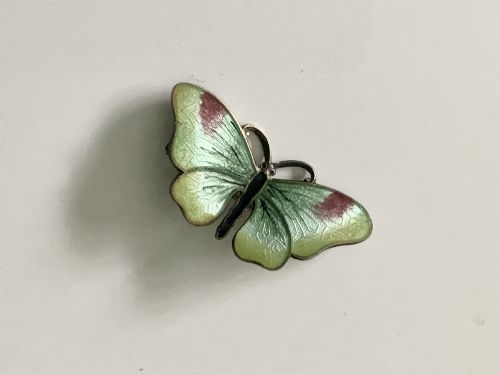
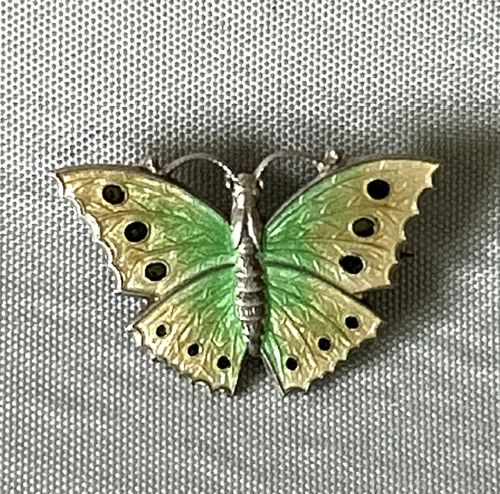
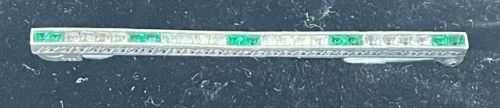
A green silver brooch unites sterling or silver gilt settings with rich green stones, pastes, or translucent enamels. The selection ranges from Victorian Scottish agate and jasper pieces to crisp Art Deco butterfly designs.
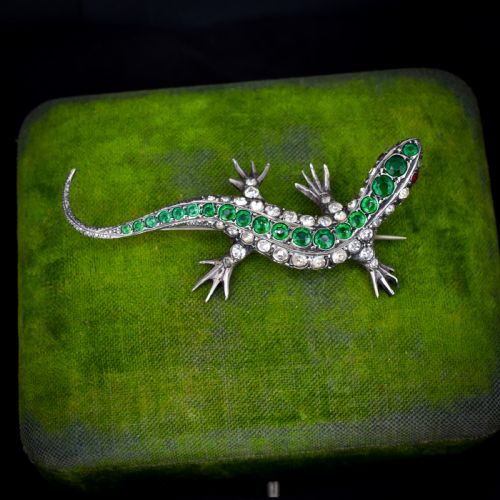
Buyers encounter numerous Scandinavian enamel works alongside nineteenth-century paste interpretations of emeralds. Naturalist motifs such as leaves, insects, and flowers dominate the available forms across multiple decades.
How they were made
Craftsmen utilised sterling silver and silver gilt as the primary structural base, frequently applying translucent guilloche or plique-a-jour enamel to catch the light. Stones such as green paste, agate, chalcedony, and malachite were then set by hand into the metalwork.
Techniques varied from traditional Scottish pebble-setting in silver frames to intricate continental filigree and enamel work. Workshops employed gilding to add warmth, contrasting the bright polished silver against deep green glass or natural minerals.
Victorian Scottish examples incorporate regional hardstones like agate and jasper mounted in traditional silver bow and sword shapes.
What varies in quality
The standard of execution depends heavily on the precision of the enamel work and the clarity of the chosen stones. Intricate plique-a-jour or layered guilloche enamel requires exceptional skill to fire without flaws.
Makers' marks and recognised studio attributions elevate certain pieces above anonymous production. The weight of the silver and the intricacy of the original mount further distinguish finer examples.
Levinger and Bissinger·Meyle and Mayer·Jakob Bengel·John Atkins·Andresen and Scheinpflug·Hroar Prydz·Ivar T Holth·J Tostrup·Aksel Holmsen·Charles Horner
The Green Silver Brooch Glossary
- Guilloche enamel
- Enamel applied over engine-turned metalwork to create a repeating geometric pattern beneath the translucent colour. This technique was widely utilised during the Art Deco period.
- Plique-a-jour
- An enamelling technique where the enamel is fired in open cells, resembling miniature stained glass that allows light to pass directly through. It appears frequently in Art Nouveau and Jugendstil designs.
- Silver gilt
- Silver that has been coated with a thin layer of gold, providing a warm golden tone while retaining a silver base. Many Victorian and Edwardian pieces utilise this finish.
- Agate
- A cryptocrystalline variety of quartz displaying natural banding, often collected and polished in Scottish jewellery. It provides durable earthy tones for regional brooches.
Green Silver Brooch: Frequently Asked Questions
How do I date a green silver brooch?
Dating relies on examining the metal hallmarks, clasp types, and stylistic cues such as enamel techniques. Victorian examples often feature tubular hinges and C-clasps, while Art Deco pieces showcase geometric precision and bright Scandinavian enamels.
Comparing the subject matter also helps narrow the era, as naturalist motifs span the Arts and Crafts and Art Nouveau periods. Maker marks provide the most direct confirmation of a piece's production period.
How were these brooches worn historically?
These pieces served as functional fasteners for shawls, collars, and kilted garments, as well as purely decorative adornments pinned to lapels and hats. Scottish agate and broadsword designs often secured heavy woolen plaids.
Smaller paste and enamel butterfly brooches functioned primarily as ornamental dress accessories on blouses or jackets. Their placement shifted with changing fashions across the nineteenth and twentieth centuries.
How do I care for antique enamel and silver?
Enamel requires gentle handling because it remains a form of glass susceptible to impact and harsh chemical dips. Cleaning should involve only a soft damp cloth and mild soap, avoiding abrasive metal polishes on the coloured surfaces.
Silver components can be polished carefully around the stones using a specialised cloth to prevent tarnish accumulation. Proper storage in dry, padded boxes protects the delicate pins and settings.
What is the difference between paste and natural stones?
Paste consists of manufactured lead glass shaped and faceted to imitate precious gems like emeralds. Under magnification, paste may reveal tiny air bubbles or softer facet edges compared to natural minerals.
Natural stones such as agate, malachite, or chalcedony exhibit organic matrix patterns and mineral inclusions. Both materials appear frequently in antique brooches depending on the desired visual effect.