





Green Pendant Light
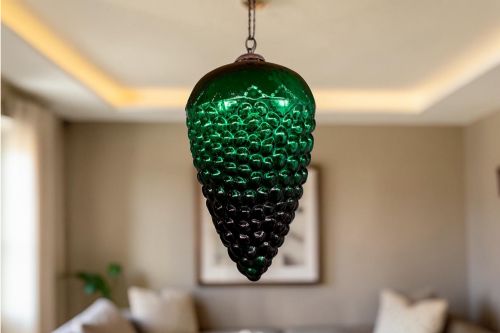
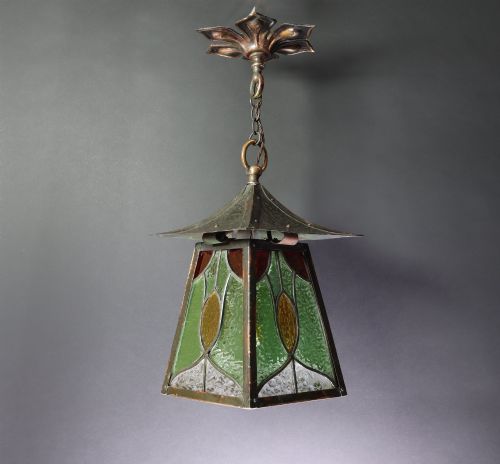
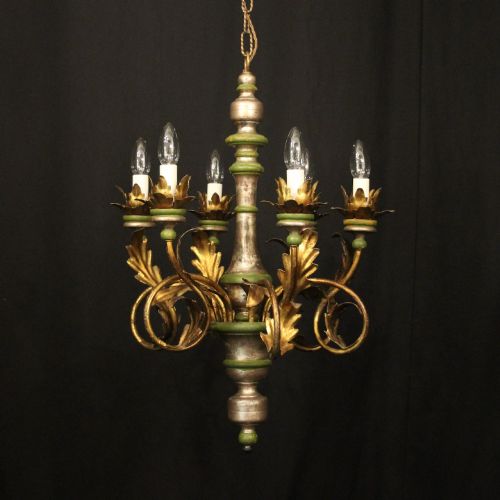
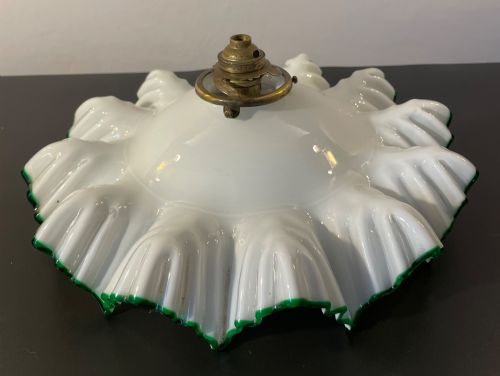
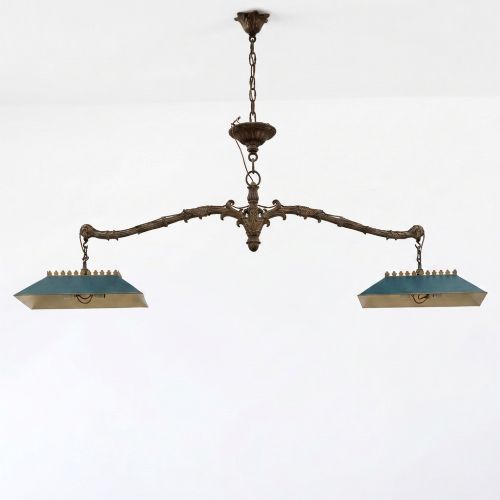
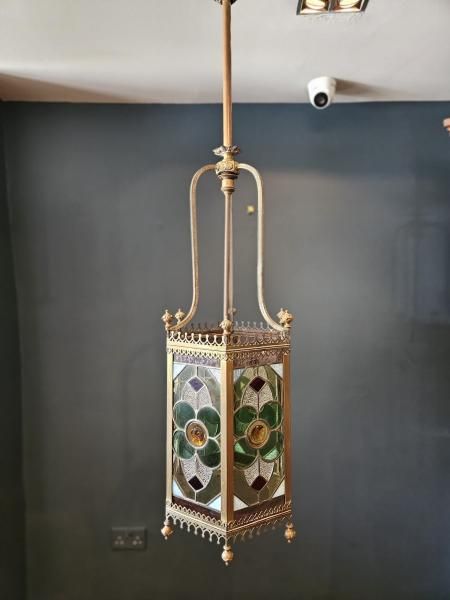
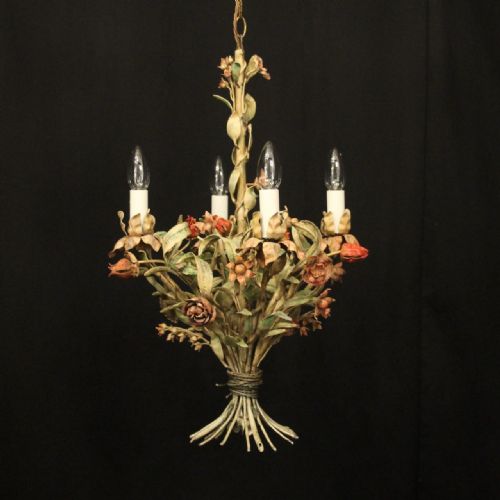
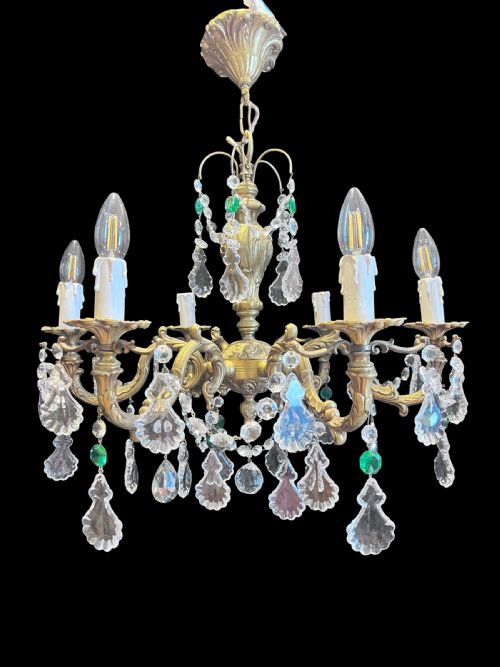
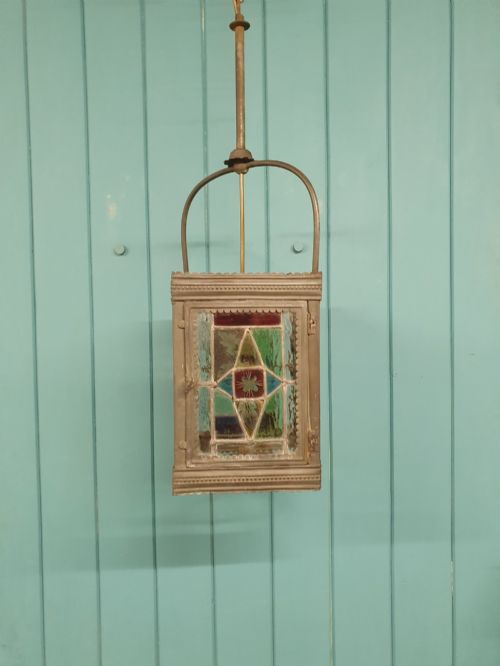
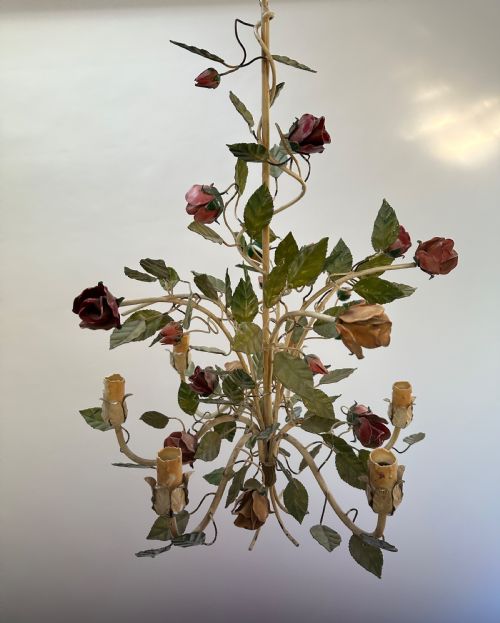
These green pendant light fixtures bring focused illumination and distinct character to a room, drawn from periods spanning the Victorian era to the twentieth century.
Green Pendant Light
A green pendant light suspension brings concentrated illumination downward, typically hung from ceilings in kitchens, hallways, and work spaces. The pieces gathered here draw from nineteenth-century origins up through the 1930s, encompassing styles from industrial workshops to domestic interiors.
Industrial examples utilise enamel finishes on metal shades, while domestic variations draw on decorative glass and coloured minerals. Forms range from utilitarian factory shades to decorative art glass and shaped glass bulbs.
Origins span British industrial workshops and French domestic spaces, providing options that balance functional task lighting with period character.
Materials and Construction
Metal components utilise brass, bronze, steel, wrought iron, and painted or enamelled metal, shaped to form shades, frames, and suspension hardware. Enamel finishes provide a hardwearing surface fused to metal bases for industrial applications.
Glass elements include leaded stained glass, crystal, and moulded glass shades, diffusing light through coloured or textured panes. Construction techniques combine metal fabrication, soldering of leaded glass panels, and specialised glassblowing.
Green Pendant Light Retail Price Guide 2026
Typical asking prices for green pendant light among the pieces listed under this phrase on Sellingantiques today, from the lower quarter to the upper quarter. They describe what is for sale here now, not the wider market.
Current listings feature green lighting options in enamel, painted metal, and glass, spanning industrial and decorative styles from the Victorian era to 1940.
Standards of Quality
Quality rests in the integrity of the materials and the precision of the manufacturing, whether in the smooth application of enamel coatings or the careful leading of stained-glass panels. Heavier gauge metals and genuine period glass retain their structure and appearance better over decades of use.
Artistry in design separates standard functional fittings from more considered decorative pieces, evident in the proportions of the shade and the finish of the associated brass or bronze mounting hardware.
The Green Pendant Light Glossary
- Enamel
- A durable vitreous coating fused to metal surfaces under high heat. It provides a glossy, protective coloured finish commonly found on industrial lighting.
- Pendant light
- A hanging lighting fixture suspended from the ceiling by a cord, chain, or metal rod. It directs illumination downward onto a specific area or surface.
- Toleware
- Painted or lacquered metalware, typically tin or steel, decorated with polychrome designs. It frequently appears in domestic lighting fixtures from the early twentieth century.
- Holophane
- A brand and style of prismatic glass designed to direct and diffuse light efficiently. These ribbed glass shades reduce glare while maximising illumination.
Green Pendant Light: Frequently Asked Questions
How do I hang a pendant light?
These fixtures suspend from ceilings using chains, cords, or rigid metal rods attached to mounting hardware. Professional electrical installation ensures safe connection to household wiring.
Consider the ceiling height and the surface below when determining the drop length to achieve balanced illumination.
What rooms suit a green pendant light?
Kitchen islands, dining tables, and hallways benefit from the downward illumination these hanging fixtures provide. Industrial enamel versions suit utility spaces, while glass and decorative metal designs fit living areas.
Placement depends on the scale of the fixture and the clearance needed beneath it.
How do I identify the period?
Dating relies on materials, manufacturing techniques, and stylistic markers such as Art Deco geometric forms or Victorian leaded glass. Industrial enamel fittings often point to early twentieth-century production.
Examining the fixings, wiring channels, and metal types helps narrow down the era of manufacture.
Are these lights original period pieces?
The selection includes authentic lighting fixtures originating from the Victorian period through the 1930s. Materials such as wrought iron, brass, and early enamel reflect the manufacturing methods of their respective eras.
Each piece demonstrates the construction characteristics and aesthetic trends of its specific decade of origin.