



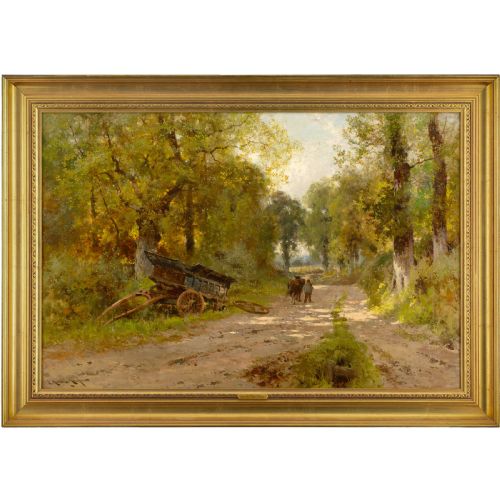
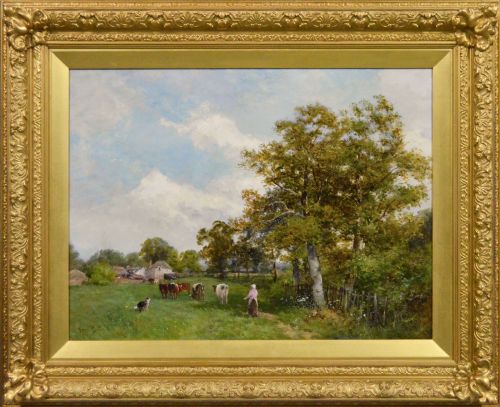

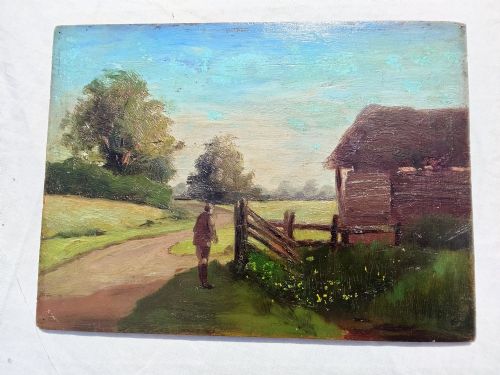
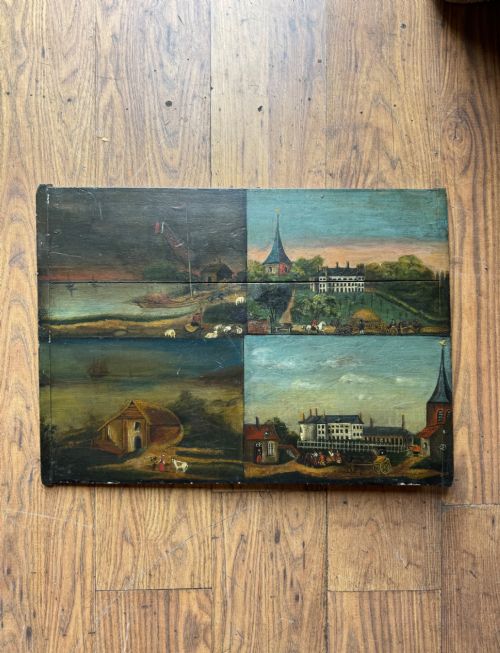
Green Pastoral Scene Painting
Green pastoral scene painting transports the viewer to tranquil countryside moments featuring shepherds, cattle, and riverside laborers across the centuries.
Green Pastoral Scene Painting
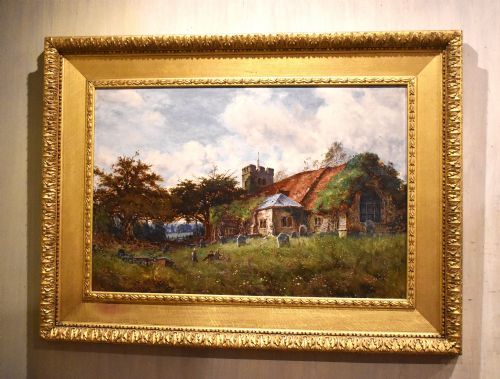
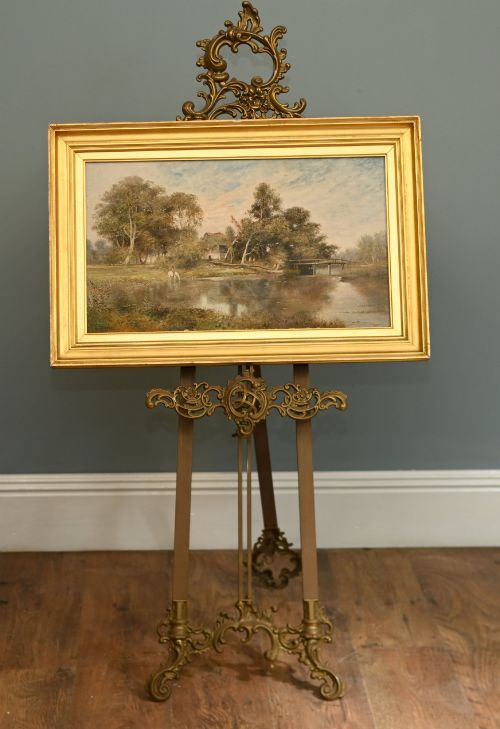
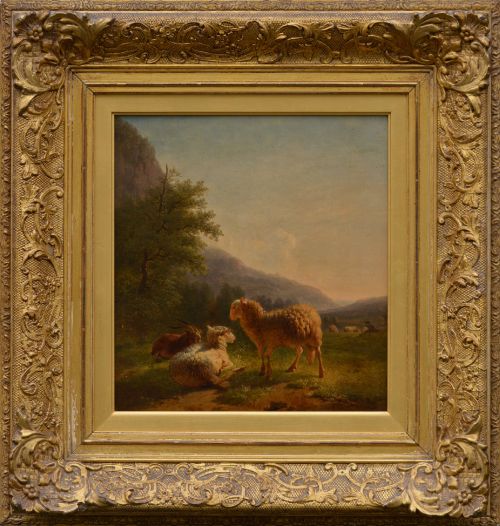
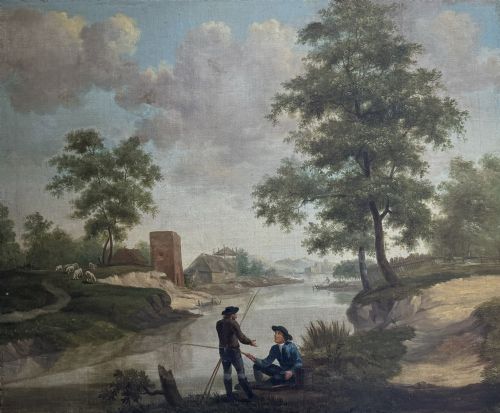
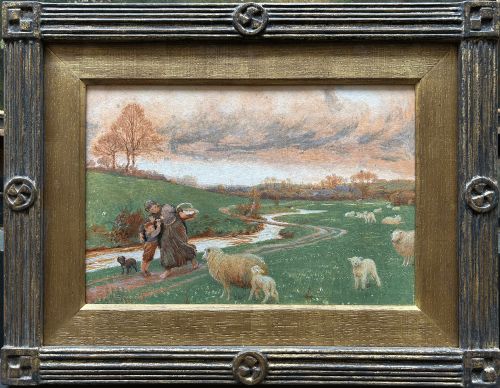
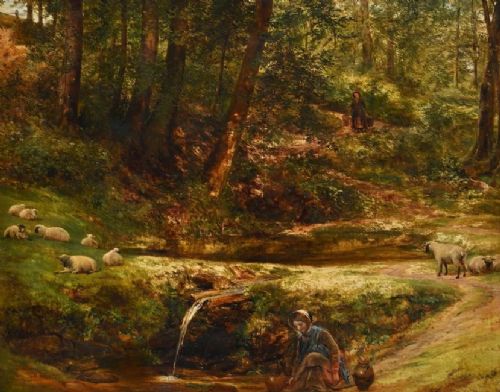
A green pastoral scene painting depicts traditional rural life, featuring figures, livestock, and tranquil countryside settings. When exploring this selection, buyers encounter works spanning from the eighteenth century through the Edwardian era, reflecting shifting artistic interpretations of the countryside.
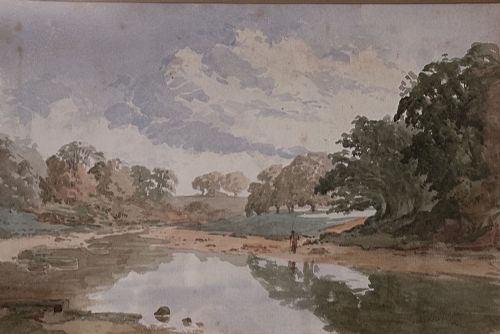
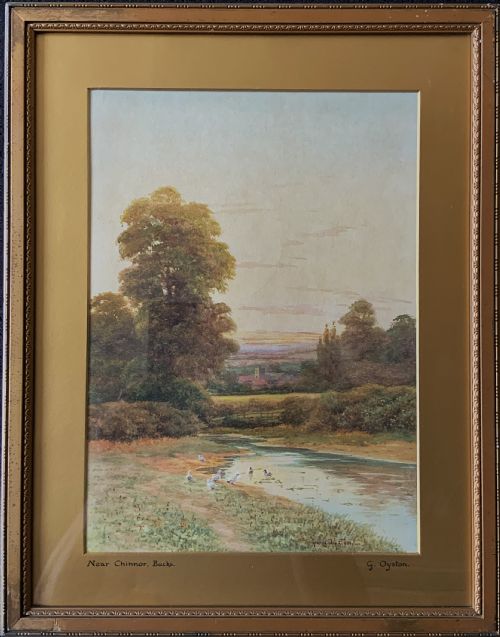
The assortment on this page predominantly includes oil paintings on canvas and wood panels alongside watercolours on paper. Artists render scenes of riverbanks, harvesting, and herding with varied regional focuses from British, French, and Flemish schools.
How They Were Made
Artists applied oil paint or watercolour onto prepared supports such as woven canvas, wooden boards, and thick paper. Wooden panels provided a rigid ground favoured by certain nineteenth-century painters.
Many works incorporate giltwood frames that complement the painted compositions. Pigments were layered to capture natural light across foliage, water, and grazing animals.
The selection includes contributions from eighteenth-century classical traditions through to British Impressionism.
What Varies in Quality
Quality rests in the precision of brushwork and the artist's ability to render light and atmospheric depth within the landscape. Works by established regional painters demonstrate more confident handling of human figures and livestock anatomy.
The preservation of the original paint surface and the structural integrity of the wood panel or canvas influence the overall standard of the piece. Finer examples retain their original framing and undisturbed paint layers.
Eugène Verboeckhoven·William H Myers·David Bates·Thomas Sidney Cooper·John Linnell
The Green Pastoral Scene Painting Glossary
- Oil Paint
- A slow-drying medium consisting of pigments suspended in a drying oil. This substance allows artists to blend colours smoothly and build rich textures.
- Giltwood
- Wood that has been coated with a thin layer of gold leaf or gilt. It frequently surrounds canvas paintings to provide an ornate decorative border.
- Provincial Naive
- An artistic style characterised by a childlike perspective and a lack of formal academic training. These pieces often capture direct, honest depictions of rural life.
- Watercolour
- A paint consisting of water-soluble pigments applied to paper. It produces translucent washes that create soft atmospheric effects.
- Trumeau Mirror
- An antique wall mirror featuring a painted or carved panel above the glass. They originate from French interior design traditions.
Green Pastoral Scene Painting: Frequently Asked Questions
What periods do these paintings span?
The selections span from the eighteenth century through the Victorian and Edwardian periods up to the early twentieth century. Painters of these eras captured evolving interpretations of rural life and natural landscapes.
Artistic styles shifted from classical Italianate influences towards British Impressionism and regional realism. Each era brought distinct approaches to depicting rivers, livestock, and agricultural laborers.
Are these paintings executed on canvas?
Many works utilise oil paint applied to woven canvas surfaces. Other pieces employ wooden panels, boards, or paper as the primary support.
Watercolour paintings on paper are also common within this genre. Each material combination reflects the specific preference of the artist and the period.
How were these artworks framed?
Many period pieces retain their original giltwood frames which enhance the visual depth of the composition. These frames often feature traditional decorative moulding suited to the age of the painting.
Frames protect the edges of the canvas or wood panel from damage. They serve as an integral part of the presentation for nineteenth-century wall art.
What subjects typically appear in pastoral scenes?
Common subjects include cattle grazing by rivers, shepherds tending flocks, and laborers engaged in hay harvesting. Figures fishing under willow trees or herding animals are also frequently represented.
These compositions focus on idyllic countryside views, woodland paths, and agricultural activities. They reflect a nineteenth-century appreciation for rural tranquility and pastoral charm.