

Green Paper Artwork
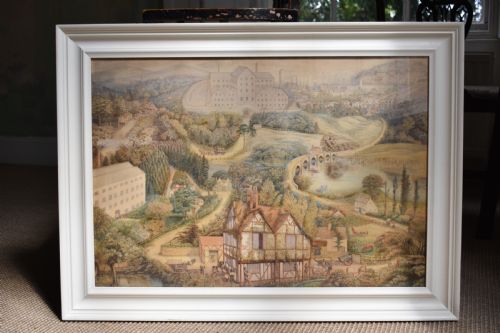
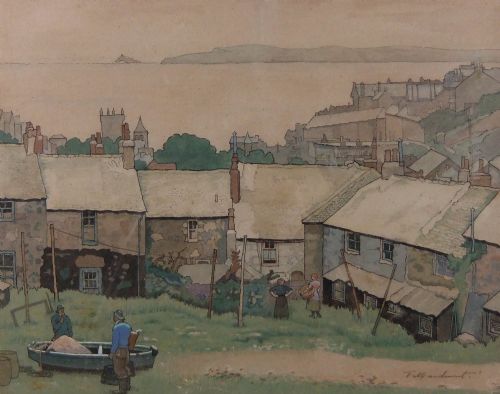
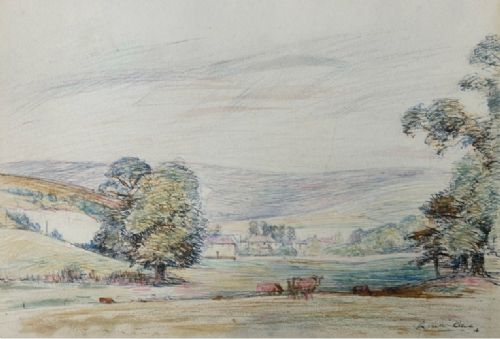
When evaluating green paper artwork, collectors find a diverse selection of period paintings, watercolours and prints spanning the nineteenth and twentieth centuries.
Green Paper Artwork
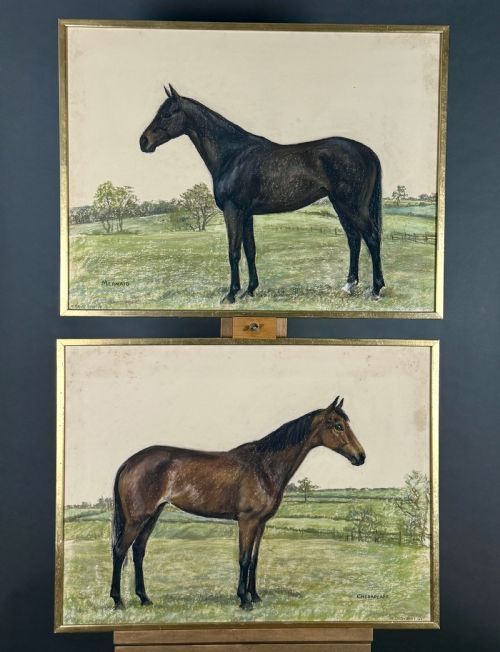
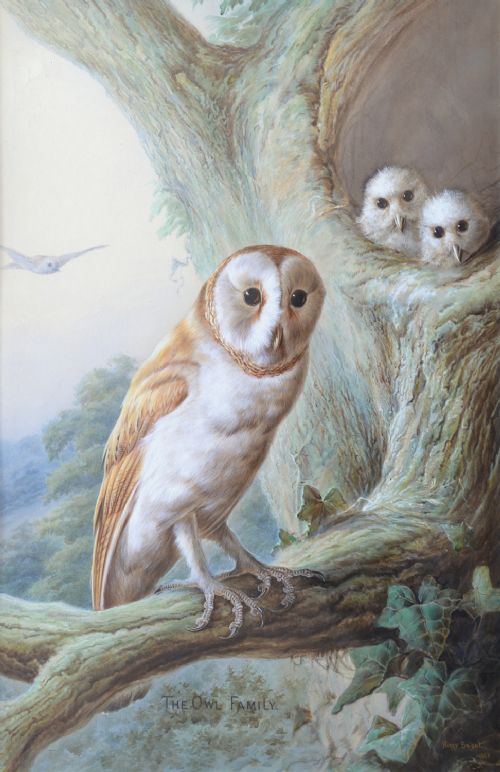
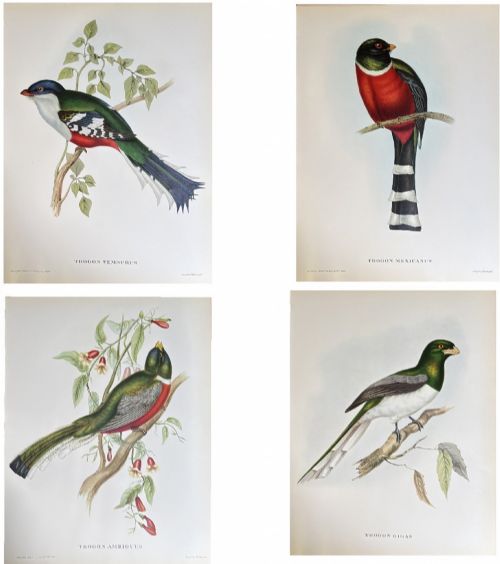
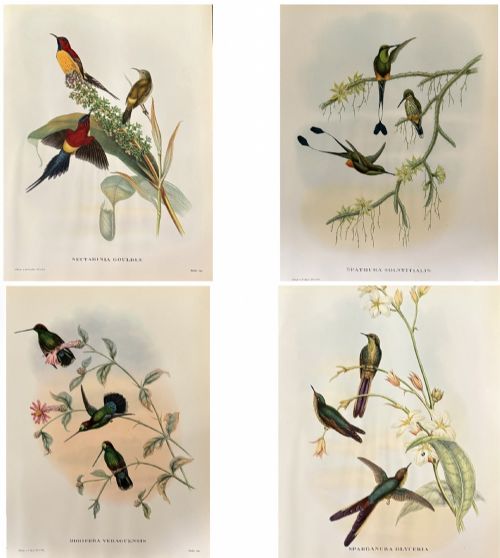
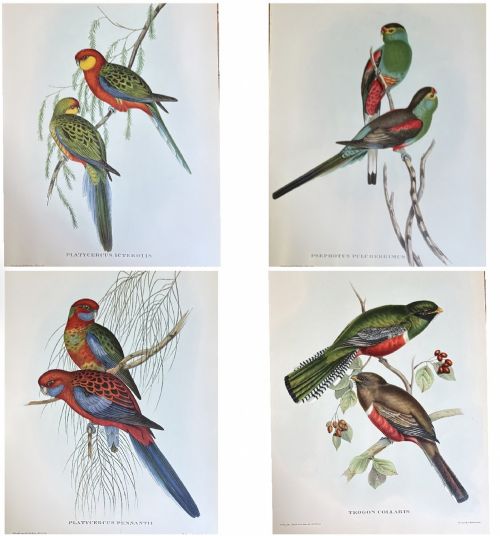
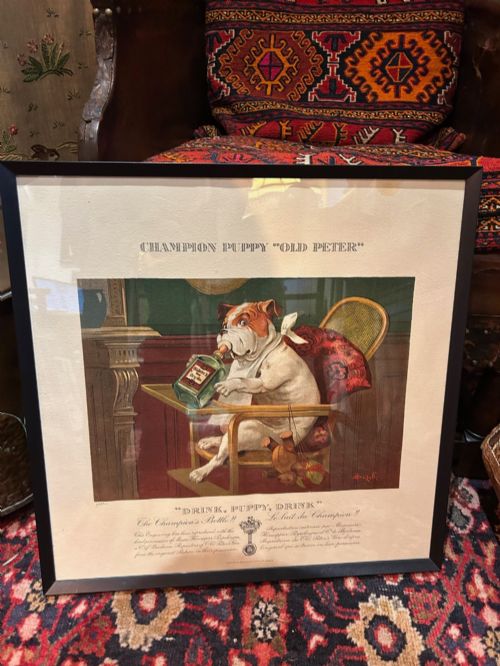
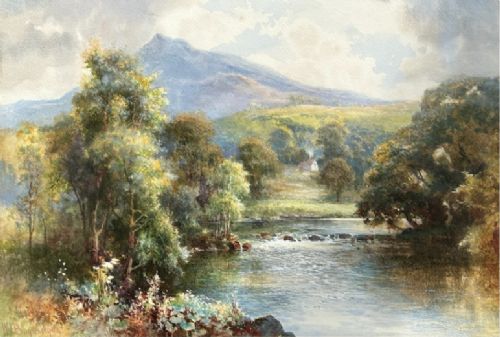
Green paper artwork encompasses framed works on paper, watercolours, gouache paintings, and vintage prints dating from the eighteenth century through to the mid-twentieth century. The selection includes British and European landscapes, botanical illustrations, natural history studies, and abstract compositions.
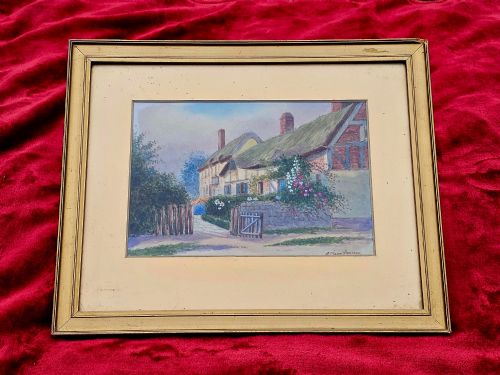
Buyers frequently encounter Victorian watercolours, Edwardian rural scenes, and mid-century prints executed on various paper supports. The forms range from small intimate sketches to large framed pastoral and coastal views.
How They Were Made
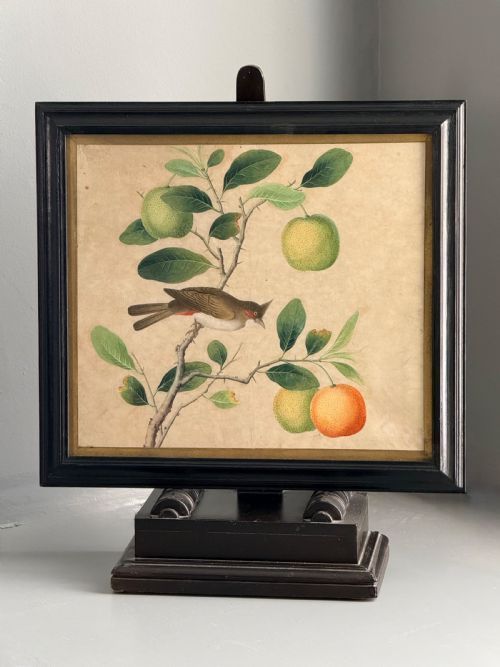
The pieces utilise watercolour pigment, gouache, ink, and pastel applied directly to paper or pith paper supports. Glazing and wooden frames frequently accompany these works to protect the delicate paper surface.
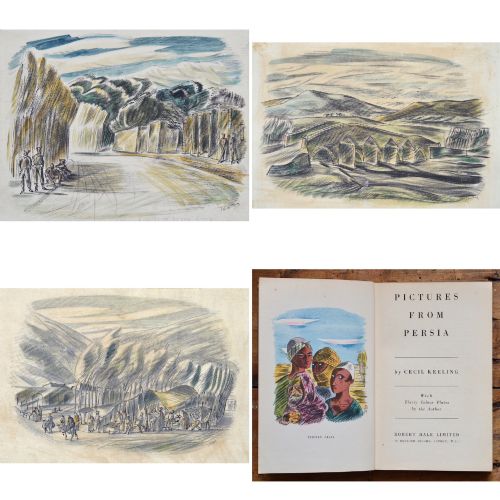
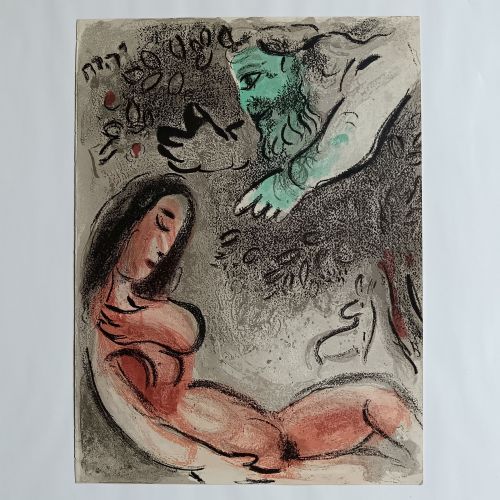
Techniques range from detailed nineteenth-century watercolour washes and botanical brushwork to twentieth-century lithography, etching, and mixed media drawing.
Listings feature works across the nineteenth and twentieth centuries, employing watercolour, ink, gouache, and woodblock printing techniques.
What Varies in Quality
The distinction between tiers rests upon the skill of the draughtsmanship, the vibrancy of the remaining pigments, and the subtlety of the colour harmony across the paper sheet. Strong provenance and clear artist attribution elevate individual examples.
The condition of the paper support and the execution of the original brushwork distinguish workshop output from more accomplished artistic expressions.
Alfred Young Nutt·William Joseph Boyes·Henry Barlow Carter·Thomas Cooper Moore·William Hoggatt
The Green Paper Artwork Glossary
- Gouache
- An opaque watercolour paint consisting of pigment, water, and a binding agent such as gum, often used to create dense matte passages of colour.
- Pith paper
- A delicate traditional Chinese material formed from the pith of the Tetrapanax papyrifer plant, utilised for botanical and figure painting.
- Lithography
- A planographic printing process based on the repulsion of oil and water, enabling multiple identical impressions from a single prepared stone or metal plate.
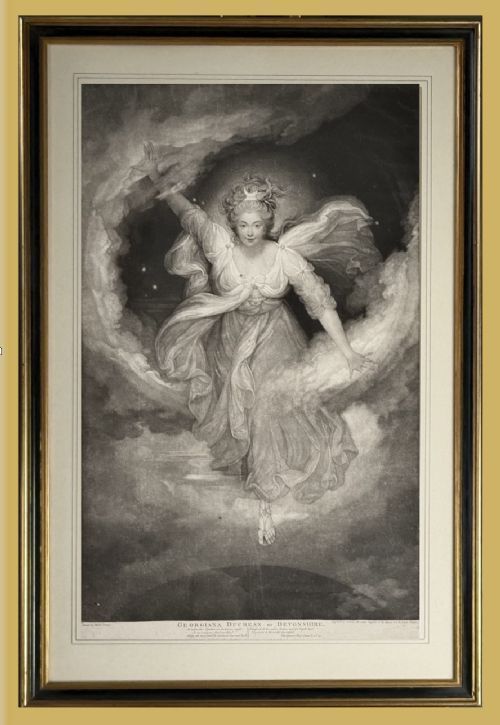
- Mezzotint
- A tonal printmaking method of the intaglio family where the copper plate is roughened to achieve rich dark areas and subtle gradations of tone.
Green Paper Artwork: Frequently Asked Questions
How should I frame fragile paper artwork?
Protect delicate paper supports by using acid-free mounts and conservation-grade backing boards to prevent chemical degradation over time. Keeping the framed piece away from direct sunlight preserves the original watercolour pigments.
Ensure there is adequate space between the glass and the surface of the painting to prevent moisture condensation and adherence.
What periods do these pieces represent?
The inventory spans the eighteenth, nineteenth, and twentieth centuries, capturing shifts from traditional landscape painting to mid-century modernism.
Victorian and Edwardian pieces sit alongside Art Deco and post-war abstracts, reflecting diverse stylistic movements across Britain and Europe.
How do I identify pith paper works?
Pith paper exhibits a soft, slightly spongy texture and a delicate fibrous structure that differs noticeably from standard European wood pulp or rag paper. Eighteenth and nineteenth-century Chinese export works frequently utilise this fragile material.
These sheets require careful handling and specialised framing due to their inherent sensitivity to pressure and humidity.
Where were these watercolours created?
Originating primarily from British and European schools, the works record rural landscapes, coastal harbours, and domestic interiors from locations such as Wales, Yorkshire, and the Thames Valley.
Continental scenes from Italy and France also appear, alongside traditional export pieces from East Asia.