




Green Painted Cast Iron
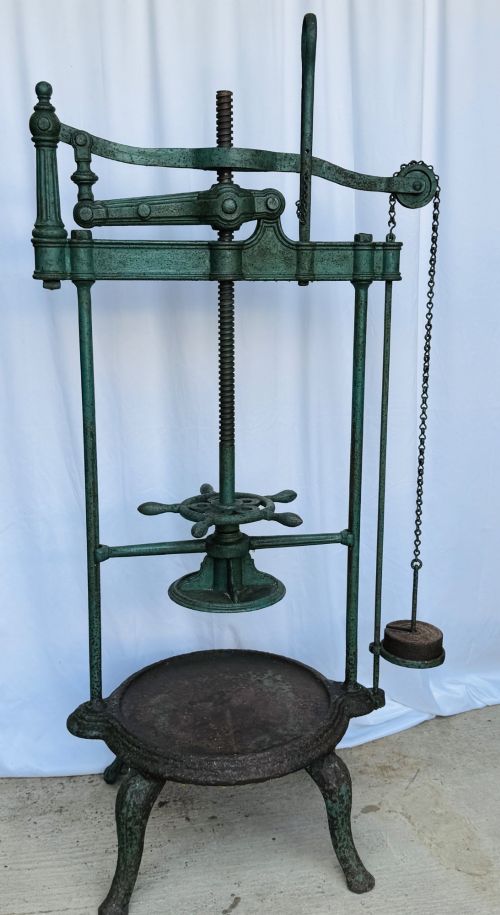
Green painted cast iron brings robust industrial and garden pieces into everyday settings, offering enduring utility coupled with weathered charm.
Green Painted Cast Iron
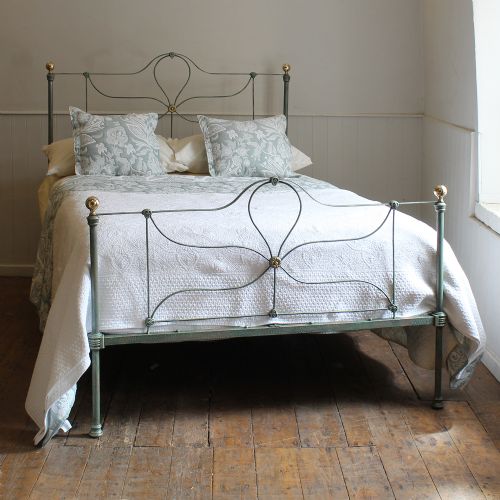
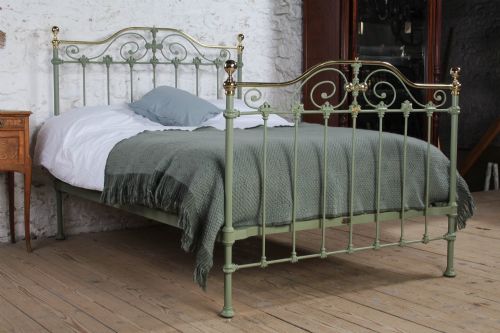
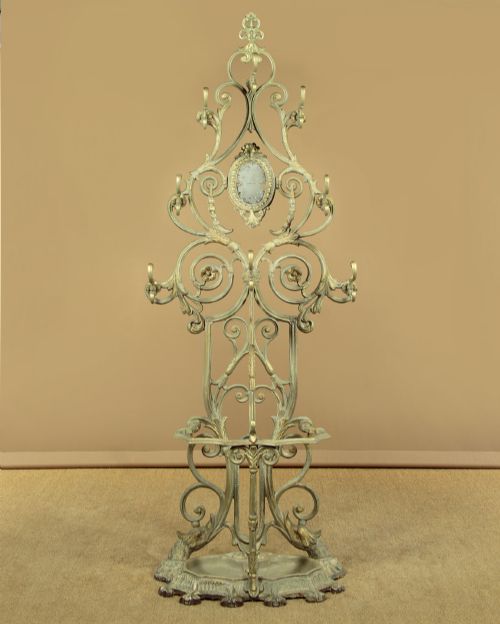
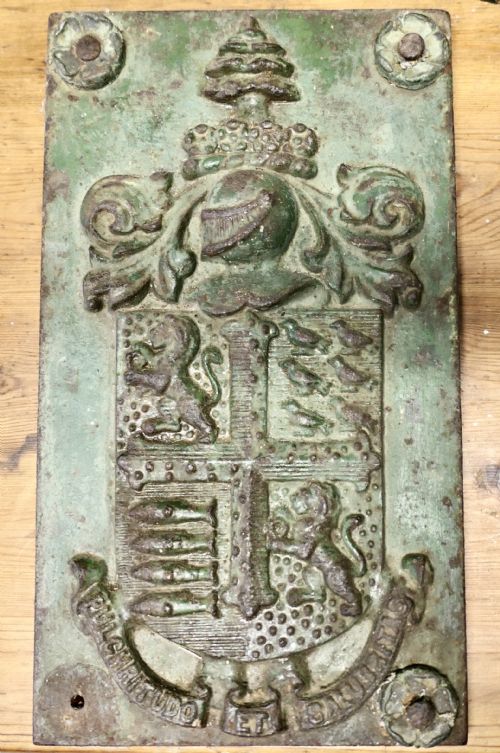
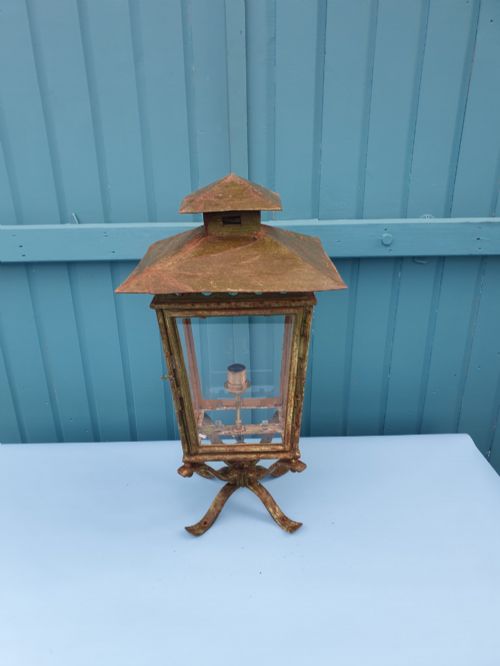
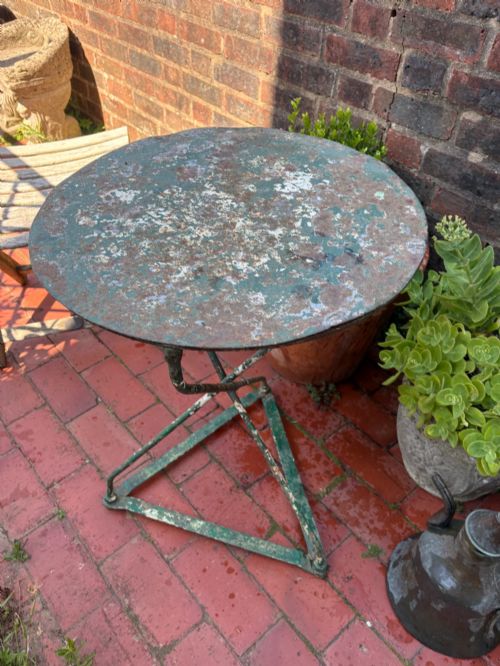
Green painted cast iron encompasses a diverse range of functional and decorative items, most notably garden furniture, structural beds, and architectural ornaments. When you explore green painted cast iron on this page, you encounter sturdy pieces spanning from the Victorian era through the early twentieth century.
The selection frequently highlights domestic and garden forms such as garden urns, benches, hall stands, and bedsteads. These utilitarian objects gained decorative appeal through successive layers of green paint applied over solid metal.
Assessing Quality and Craftsmanship
Quality in these pieces rests upon the crispness of the original casting and the integrity of the structural metal. Finer examples display sharp, well-defined relief moulding without surface pitting or distortion.
The longevity of an item depends on how well the iron substrate resisted corrosion beneath the paint layers. Superior pieces retain balanced proportions and original structural fixings without excessive replacement parts.
R W Winfield·F.H. Ayres
The Green Painted Cast Iron Glossary
- Cast iron
- An iron-carbon alloy poured into moulds to create rigid forms. This material forms the heavy structural base of urns, benches, and bedframes.
- Verdigris
- A green patina formed naturally on copper and brass alloys or simulated with paint on iron surfaces. It provides an aged aesthetic favoured on garden ornaments.
- Bedstead
- The framework of a bed supporting the mattress and base. Many surviving examples combine iron castings with brass or painted metal details.
- Gueridon
- A small round occasional table supported by a central pillar. These French tables often feature heavy metal pedestals paired with timber or stone tops.
Green Painted Cast Iron: Frequently Asked Questions
How do I care for green painted cast iron?
Keep the metal dry and clean surfaces gently with a soft brush to preserve the existing paint layers. Avoid harsh chemical cleaners that might strip the historic patination.
Apply a light microcrystalline wax where the paint has worn thin to protect the exposed iron from moisture. Store delicate pieces indoors during severe winter weather.
Are these items suitable for outdoor use?
Many items such as garden urns and benches were designed specifically to withstand outdoor conditions. The heavy metal construction ensures stability in garden settings.
However, historic paint layers benefit from sheltered placement during freezing winters. Regular inspection prevents moisture penetration beneath the protective coating.
How can I date a cast iron piece?
Examine the surface texture, fastening methods, and stylistic motifs to determine the period of manufacture. Victorian pieces often display registration marks or elaborate foundry stamps.
Compare the casting clarity and assembly techniques with documented examples from the nineteenth century. Heavier wall thickness and simpler construction details frequently indicate earlier dates.
What defines Victorian industrial style?
Victorian industrial design combines robust utilitarian function with decorative cast iron ornamentation. This aesthetic emerged from nineteenth-century manufacturing advancements.
Items from this period prioritise structural strength while incorporating classical motifs or floral relief patterns into everyday objects.