


Antique Cast Iron Press
These antique cast iron press pieces are robust domestic and industrial workhorses valued for their weight, utility and honest metalwork.
Antique Cast Iron Press
When you search for an antique cast iron press, you encounter a varied selection of utilitarian machinery and desktop tools spanning the Georgian, Victorian and Edwardian eras. These objects range from heavy bookbinding presses and printers stamps to specialised dairy and apothecary equipment.
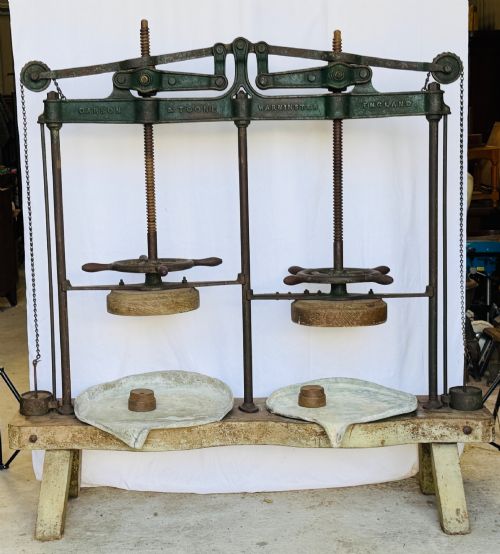
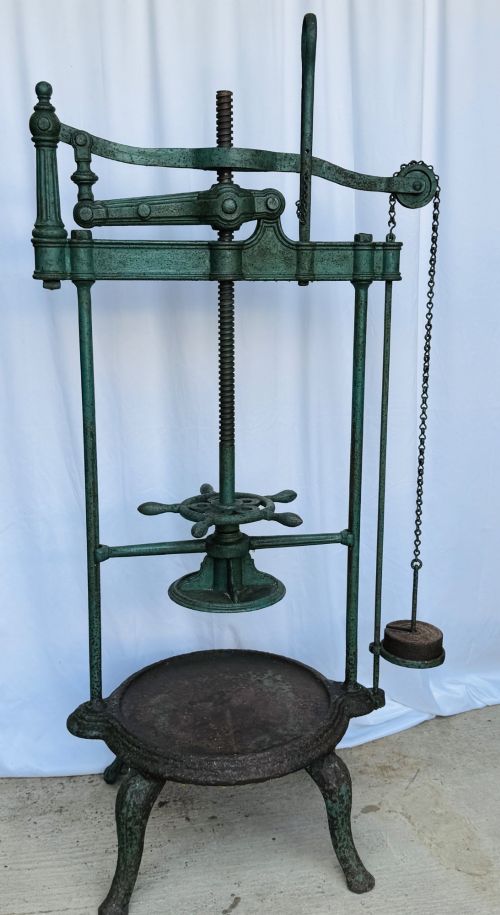
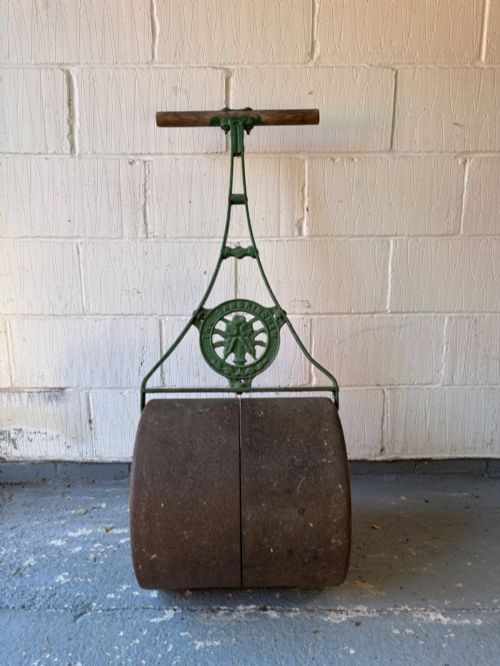
The pieces on this page are most frequently represented by heavy book presses and cheese presses, alongside garden rollers, wine bottle corkers and desk accessories. Their origins encompass English and French workshops, utilising durable metal construction suited to manual labour.
Domestic and agricultural examples reflect the practical needs of past centuries, utilising heavy frames to apply uniform mechanical pressure. Collectors appreciate these utilitarian items for their industrial character and surviving original surfaces.
How they were made
Makers formed the structural frames of these objects using heavy cast iron, often combined with wood, timber, brass, bronze or forged steel components to handle mechanical stress. Enamel and paint finishes frequently protected the metal surfaces from wear and corrosion.
Workshops utilised sand casting for the iron components, producing thick frames designed to withstand high pressure without flexing. Screws, levers and handles were forged or machined separately and fitted to the main iron bodies.
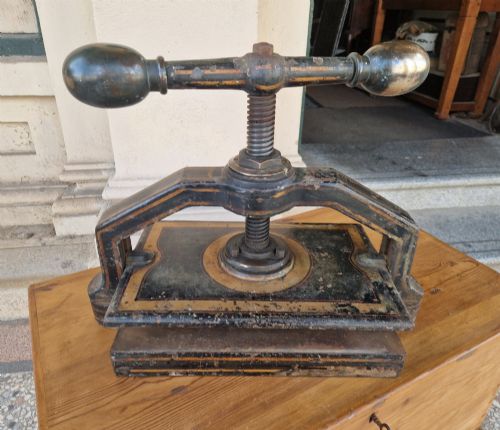
A heavy printers stamp from the eighteen-eighties waits here to leave its indelible mark on history.
What varies in quality
The distinction between ordinary and superior examples lies in the crispness of the casting and the retention of original surface treatments such as early paint or bronze detailing. Finer pieces retain working mechanical parts that operate smoothly without excessive play in the screw threads.
Proportion and scale also separate utilitarian workshop tools from domestic items designed with decorative brass fittings or polished timber bases. The presence of legible maker details or specialised application mechanisms elevates the interest of a piece.
Burgess Brothers of Weaverham
The Antique Cast Iron Press Glossary
- Cast iron
- An iron-carbon alloy poured into moulds to create rigid, heavy frames. This material forms the primary structure of all presses on this page.
- Forged steel
- Steel shaped by heating and hammering rather than casting. It provides high tensile strength for moving parts like screws and levers.
- Book press
- A mechanical device utilising a threaded screw to apply flat, even pressure to bound volumes. These heavy desk or table items were standard in binderies and libraries.
- Cheese press
- A weighted or screw-operated agricultural apparatus designed to expel whey from curd. These large implements utilise sturdy timber and iron construction.
Antique Cast Iron Press: Frequently Asked Questions
What were antique cast iron presses used for?
These presses served a multitude of domestic, commercial and agricultural purposes depending on their specific form. Examples include binding books, pressing cheese, corking wine bottles and flattening apothecary items.
Their heavy construction allowed operators to apply continuous mechanical pressure by hand. Each specific design was tailored to the exact demands of a trade or household task.
How do I date a cast iron press?
Dating relies upon stylistic clues, material combinations and manufacturing methods visible across the piece. Georgian and Victorian examples often feature heavier hand-finished castings and simpler geometric forms.
Later Edwardian and early twentieth century items may incorporate standardised fastenings or different surface coatings. Comparing the mechanical setup to dated pieces helps narrow the period of production.
Are these presses still functional today?
Many of these robust mechanical devices remain entirely operational if the screw threads and moving parts are clean and well maintained. Book presses and corkers can still perform their original tasks with care.
Larger agricultural or industrial items are frequently repurposed as decorative or architectural elements in modern interiors. Collectors often evaluate them based on mechanical completeness regardless of daily use.
How should I clean a cast iron press?
Maintenance requires removing dust and light surface grime with a soft brush and dry cloth without harsh chemical solvents. Preserving the original patina and any surviving paint or bronze finish is essential.
Moving metal components benefit from a light application of oil to prevent corrosion on exposed steel or iron surfaces. Avoid abrasive scouring that can strip historical finishes from the metal.