
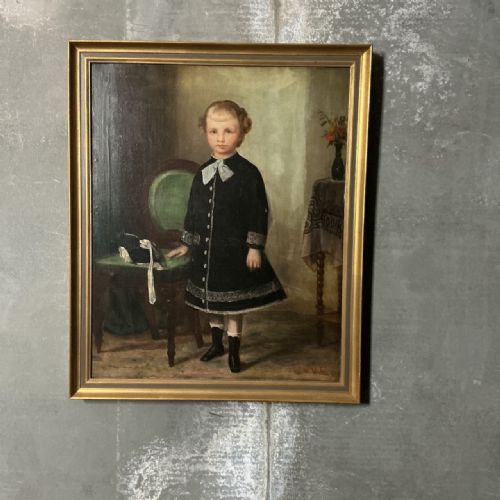
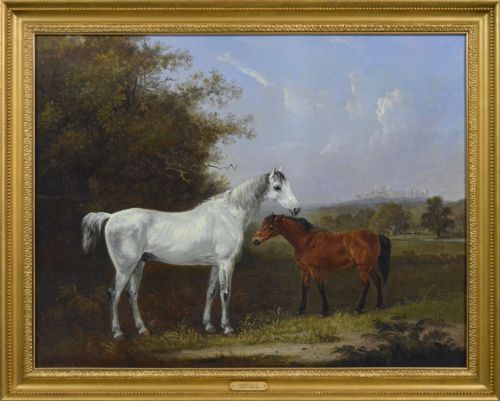
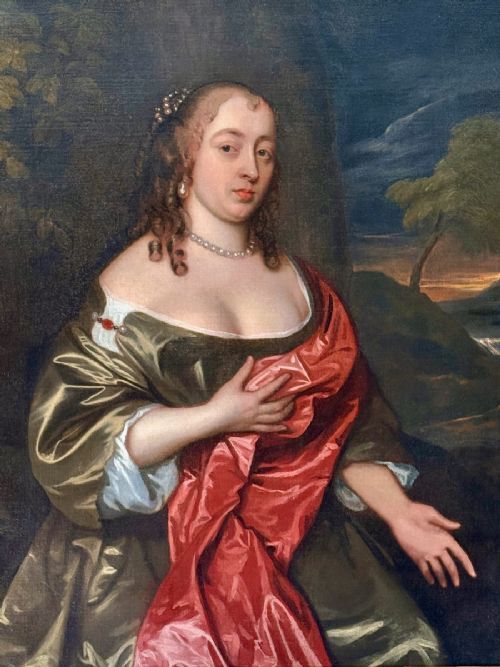
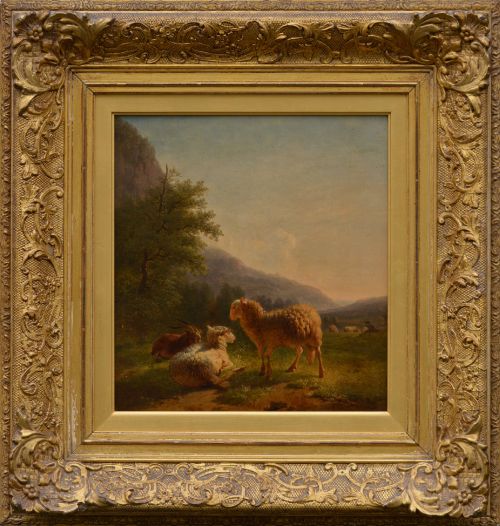
Green Oil Canvas Portrait
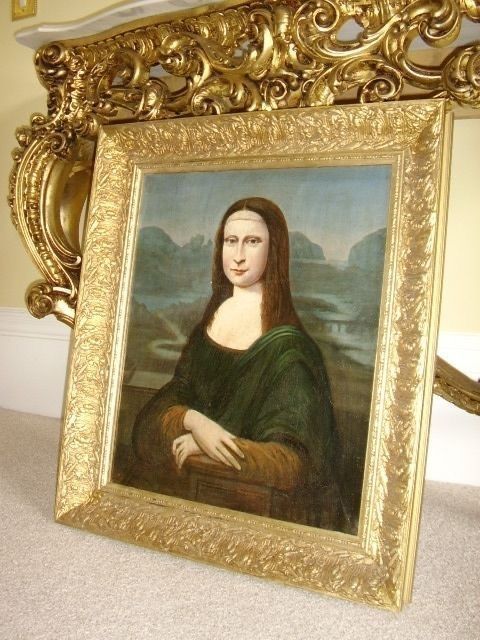
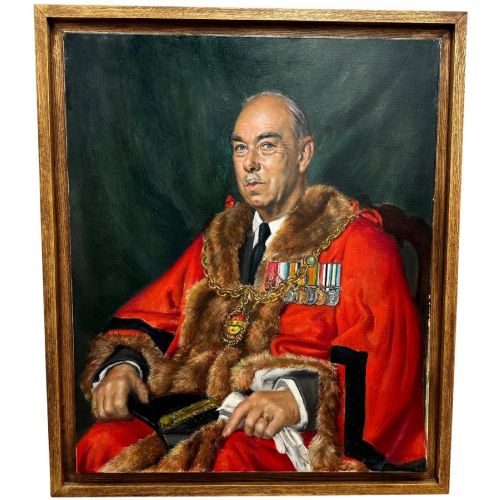
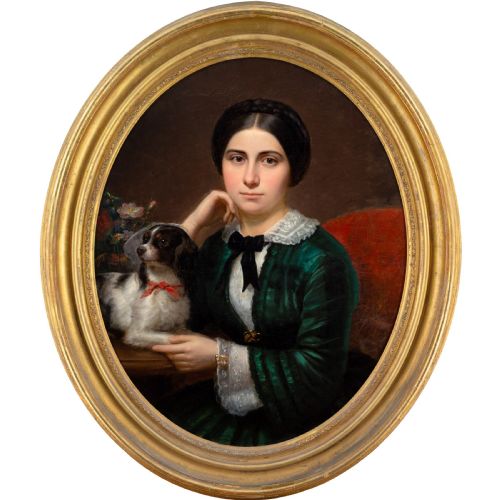
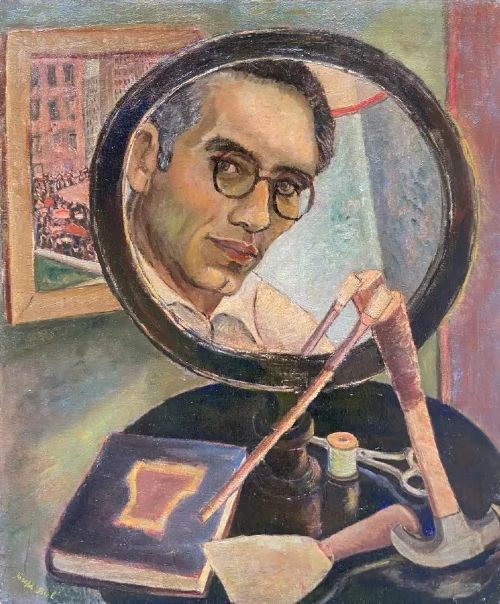
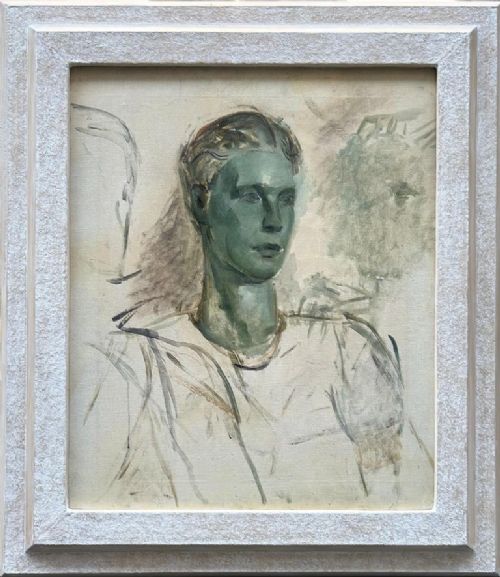
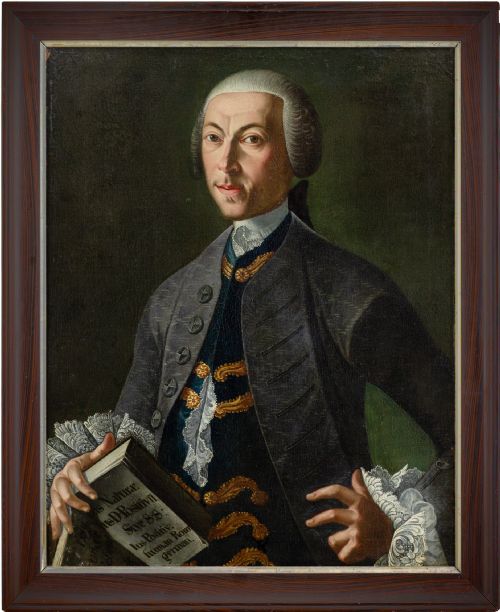
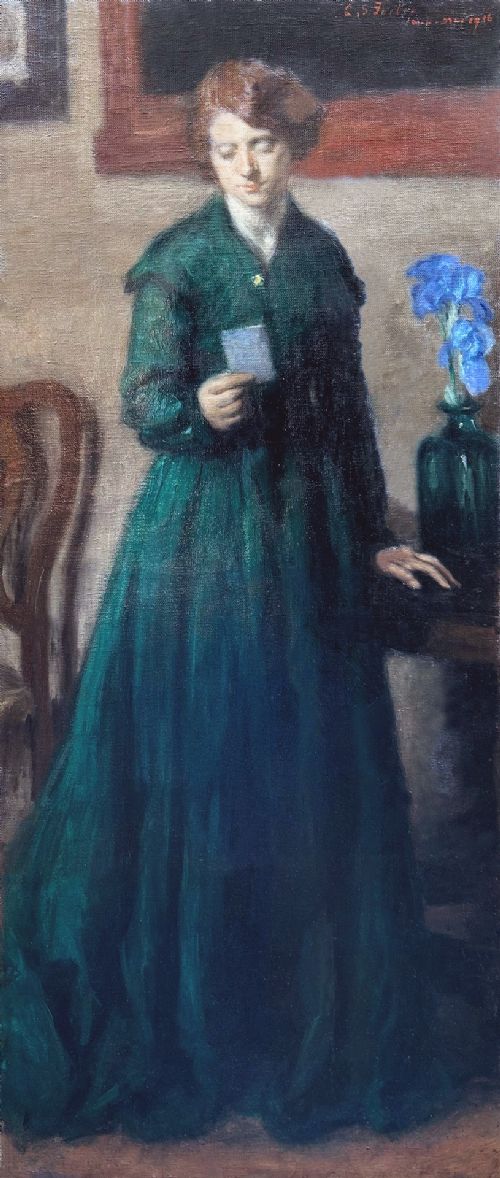
A green oil canvas portrait brings centuries of character and classical presence into a room through rich pigments applied to woven fabric.
Green Oil Canvas Portrait
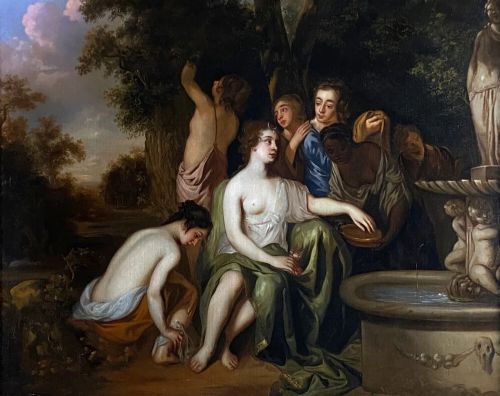
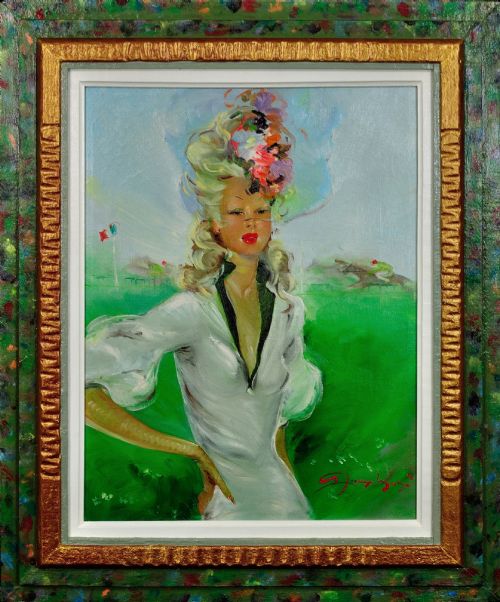
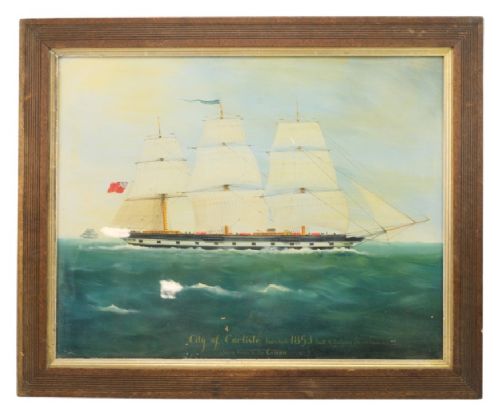
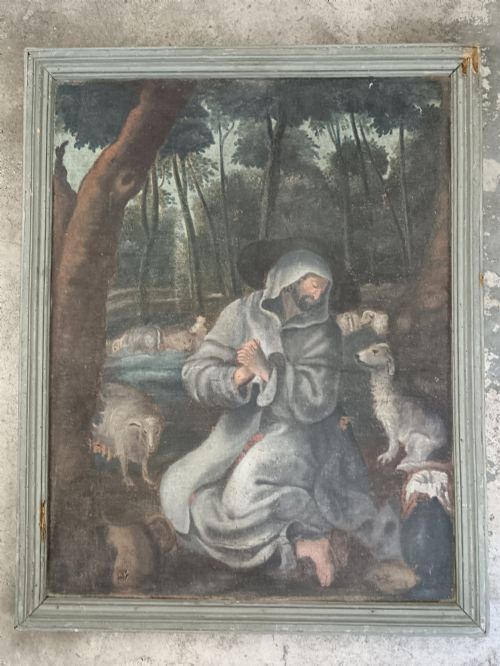
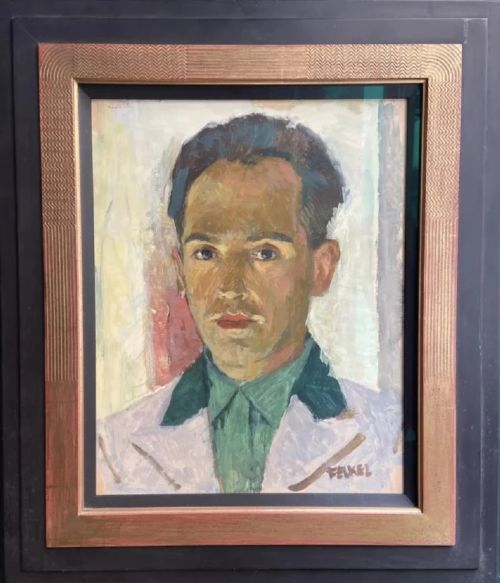
When searching for a green oil canvas portrait, collectors encounter fine art spanning from the seventeenth century through to the mid-twentieth century, capturing subjects ranging from aristocratic sitters to nineteenth-century everyday figures.
The selections on this page encompass works by named European and British schools, often featuring sitters defined by olive, emerald, or sage garments and backdrops.
These works function primarily as wall art and historical documents, reflecting evolving aesthetic standards across Baroque, Victorian, and mid-century modern movements.
How They Were Made
Artists built these works using oil paint applied to stretched woven canvas, occasionally supported by wood panels or housed within period giltwood frames.
Pigments were layered over preparatory grounds to achieve depth, with varied brushwork capturing the sheen of satin, skin tones, and subtle background vegetation.
Materials recorded across the archive include oil paint, canvas, wood, and gilt.
What Varies in Quality
The distinction between standard works and exceptional pieces lies in the anatomical precision of the sitter, the handling of light, and the preservation of the original pigment layer.
Works attributed to established schools or documented hands demonstrate superior compositional confidence and handling of textiles compared to unsigned student efforts.
JOHN HAYLS·Eugène Verboeckhoven·Sir Peter Lely·Jean-Gabriel Domergue·JAMES HOWE·Carl Felkel·Joseph Biel·Oilver Messel·Gladys Marguerite Baker·Lena Gurr·Edward Priestley·Richard B. Spencer·Frans Hals·Paolo Veronese·Nicolaes Maes·Howard Barron·William Arthur Breakspeare·William Henry Mander·Thomas Sidney Cooper·Thomas Edward Roberts·Costantino Frixione·Luca Postiglione·John Michael Wright·John Greenhill·Michael Dahl
The Green Oil Canvas Portrait Glossary
- Canvas
- A heavy woven fabric, typically linen or cotton, stretched over a wooden frame to serve as a stable painting surface for oil colours.
- Oil Paint
- A slow-drying paint made by mixing pigments with a drying oil, most commonly linseed oil, allowing for smooth blending and rich tones.
- Pentimento
- An alteration in a painting, evidenced by underlying traces of previous brushstrokes, revealing the artist's changes during composition.
- Giltwood
- Wood carved and covered with a thin layer of gold leaf or gold paint, frequently used for antique picture frames.
- School
- A group of artists working in a similar style, region, or period, often under the influence of a prominent master.
Green Oil Canvas Portrait: Frequently Asked Questions
How do I date an oil painting on canvas?
Dating relies on examining the canvas weave, stretcher frame construction, and pigment composition alongside any visible signatures or historical costume details.
Comparison with documented works from specific regional schools helps narrow the decade of creation.
What is the best way to clean an old canvas?
Surface dust should be gently removed with a very soft, dry brush by someone experienced in textile care.
Chemical cleaning or varnish removal requires a professional restorer to avoid damaging the underlying paint layers.
Are these portraits originals or copies?
The inventory includes both primary portraits painted from live sitters and later studio copies or pieces created after old masters.
Provenance notes and signature evidence help distinguish between original commissions and subsequent homages.
How should I hang and light an oil portrait?
Paintings on canvas prefer stable interior environments away from direct sunlight, high humidity, and sudden temperature fluctuations.
Low-heat LED picture lights mounted above the frame highlight the rich tones without risking pigment degradation.