



Green Nursing Chair
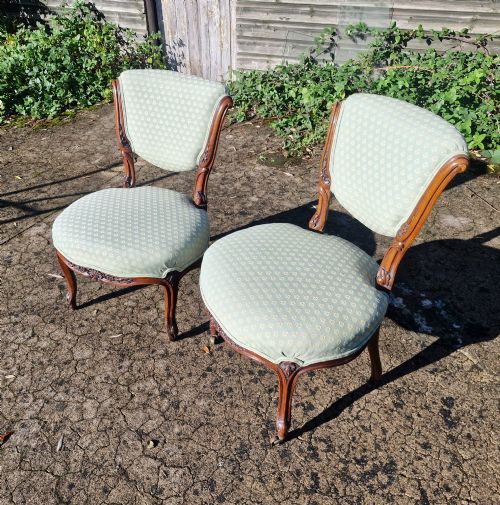
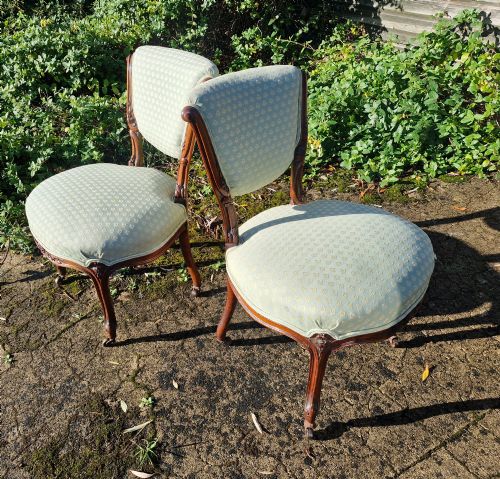
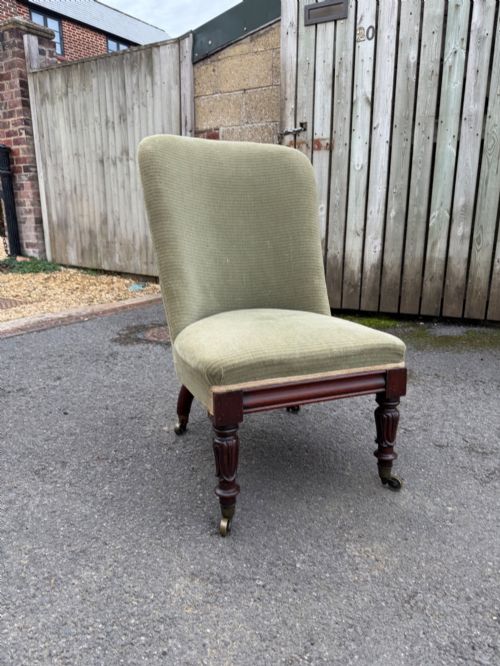
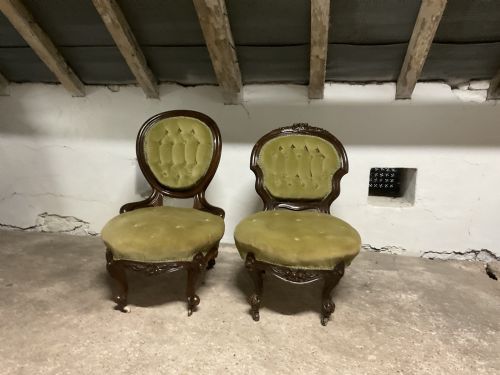
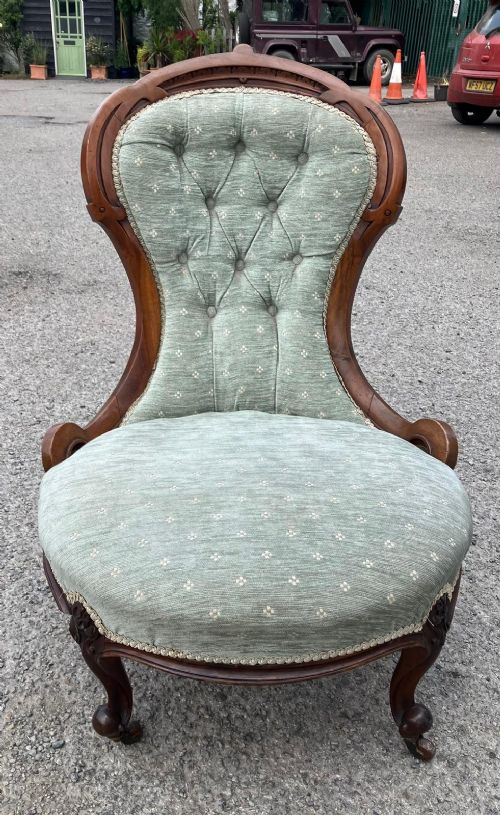
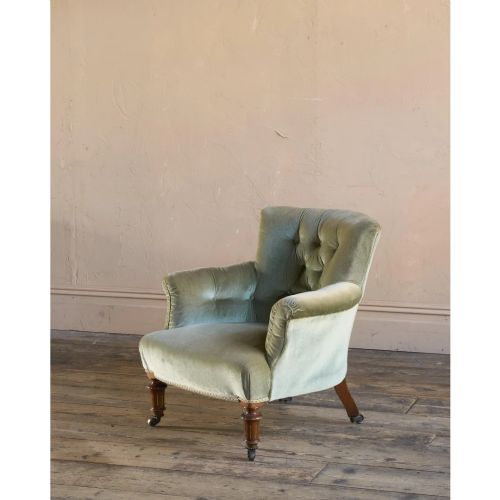
A green nursing chair brings low seating and soft upholstery into a bedroom or fireside, pairing practical comfort with period charm.
Green Nursing Chair
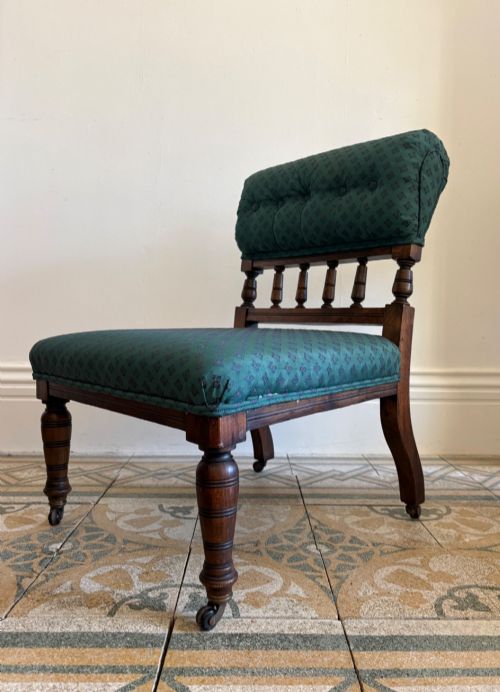
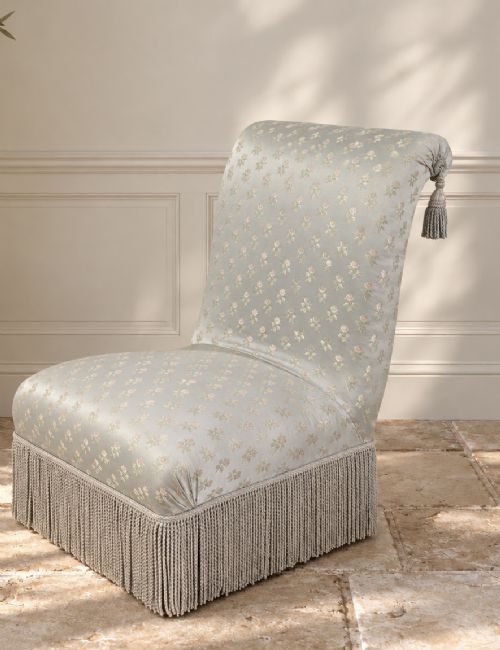
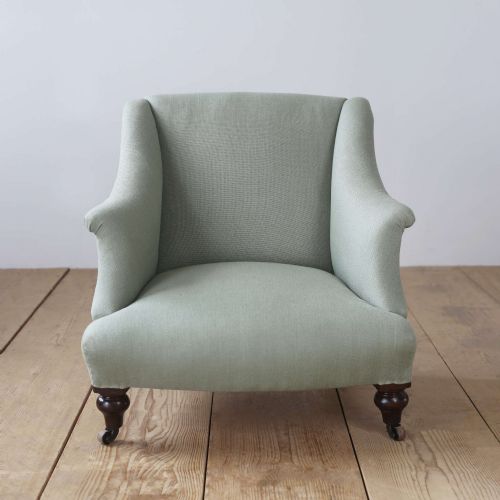
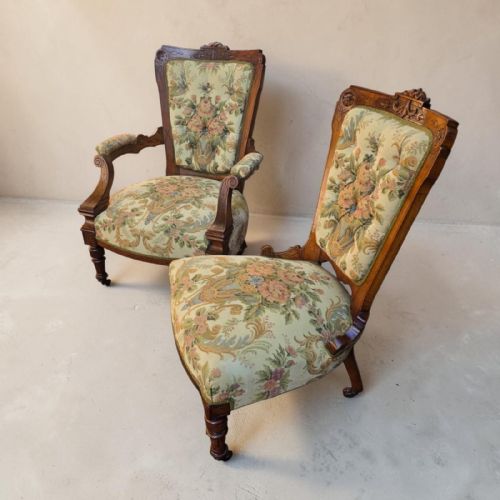
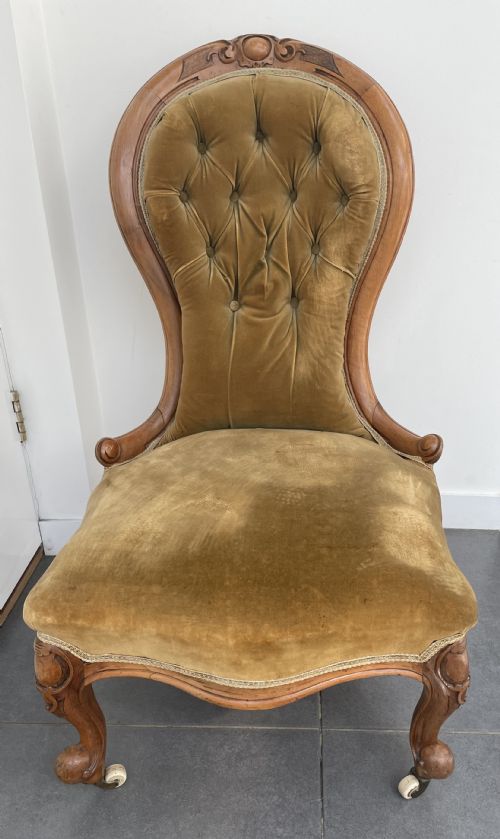
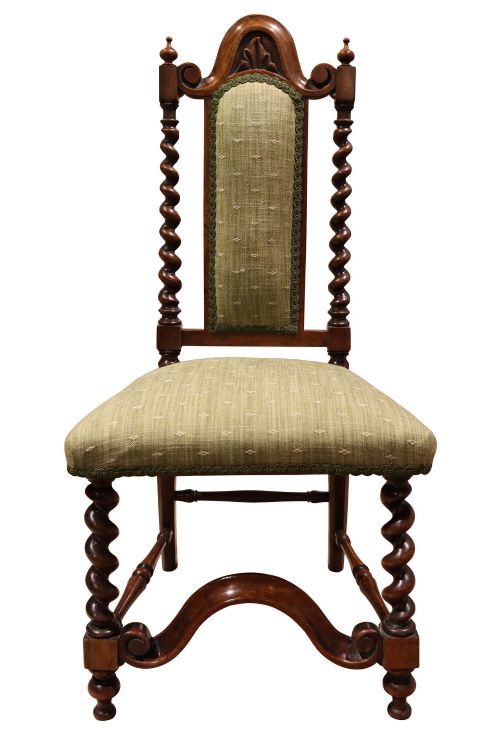
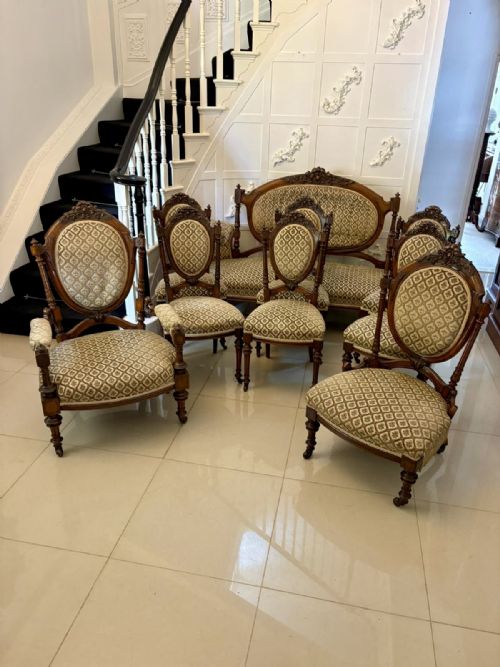
A green nursing chair encompasses low-slung seating designed for intimate spaces, originating primarily from the Victorian and Edwardian eras. These pieces often appear in walnut, mahogany, and rosewood alongside related forms such as bedroom chairs, slipper chairs, and ladies chairs.
Most examples found here date from the nineteenth century, including specific periods like the Regency, William IV, and George IV styles. The low seat height distinguishes them from standard armchairs, reflecting their original nineteenth-century domestic function.
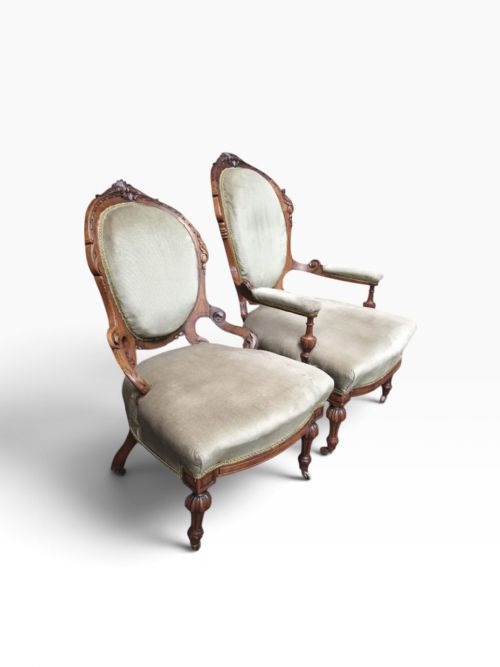
Makers and workshops of the nineteenth century utilised diverse stylistic revivals, ranging from Victorian Rococo to Art Nouveau, creating pieces that function today as accent or salon chairs. Walnut frames featuring carved details or showwood finishes dominate the available selection.
Materials and Construction
Timbers such as walnut and mahogany form the primary structural frames, shaped with turning, carving, or scroll-back designs. Brass castors frequently support the legs, while internal framing employs traditional joinery methods suited to domestic seating.
Upholstery relies on textiles like velvet, linen, tapestry, and modern fabric choices applied over buttoned backs or sprung seats. Secondary materials include ceramic castors and iron components visible in specific nineteenth-century variants.
Green Nursing Chair Retail Price Guide 2026
Typical asking prices for green nursing chair among the pieces listed under this phrase on Sellingantiques today, from the lower quarter to the upper quarter. They describe what is for sale here now, not the wider market.
Victorian nursery staff appreciated these low seats because stepping on trailing hems became nearly impossible.
Distinctions in Quality
The refinement of the timber carving and the architectural integrity of the showwood frame separate standard examples from finer commissions. Pieces bearing attribution to established workshops display superior joinery and more ambitious proportioning.
The choice of primary wood and the execution of details such as barley twist legs or button-backed upholstery determine the grade of the piece. Well-preserved original textiles and structurally sound internal frames elevate the standing of an individual chair.
Gillows
The Green Nursing Chair Glossary
- Nursing chair
- A low-seated Victorian chair originally designed to allow women to nurse infants comfortably. These seats typically feature upholstered backs and low frames.
- Showwood
- Timber framing left visible around the upholstered portions of a chair. This technique highlights the grain and carved details of woods like walnut and mahogany.
- Barley twist
- A decorative turning technique resembling a twisted rope, commonly found on nineteenth-century chair legs and supports. This motif appears frequently on Victorian walnut frames.
- Button back
- An upholstery style where depressions are formed in the padding by stitching buttons at regular intervals. This method secures the internal stuffing while creating a tufted pattern.
- Slipper chair
- A low, leg-hugging chair without arms, traditionally used in dressing rooms. These pieces share a similar low profile with nursing chairs.
Green Nursing Chair: Frequently Asked Questions
What is a green nursing chair used for?
These low chairs serve primarily as accent seating in bedrooms, drawing rooms, or fireside settings. Their modest height provides a comfortable, relaxed posture distinct from standard dining or desk seating.
Historically, the low profile accommodated specific domestic tasks, but today they function effectively as decorative occasional chairs that fit well into smaller spaces.
How do I date a Victorian chair?
Dating relies on examining the timber species, joinery methods, and stylistic cues such as cabriole legs or turned elements. Walnut and mahogany were favoured during different phases of the nineteenth century.
Secondary woods, castor types, and upholstery techniques also offer clues to whether a piece belongs to the early Victorian period or the later nineteenth century.
Are nursing chairs comfortable for daily use?
The low seat height and padded backrest offer a supportive, relaxed sit suitable for reading or lounging. Many examples feature sprung seats designed for enduring comfort.
Because they sit lower to the ground than standard armchairs, users accustomed to modern heights may find them uniquely proportioned.
What is the difference between a nursing chair and a slipper chair?
Nursing chairs generally feature a low seat and an upholstered back, sometimes with short arms or open sides designed to accommodate voluminous nineteenth-century garments. Slipper chairs traditionally lack arms entirely.
Both types share a low profile, though slipper chairs were historically intended for dressing rooms rather than general parlour use.