



Green Mount Wall Art
Green mount wall art brings together framed watercolours, engravings, tapestries and woodblock prints spanning centuries of domestic display.
Green Mount Wall Art
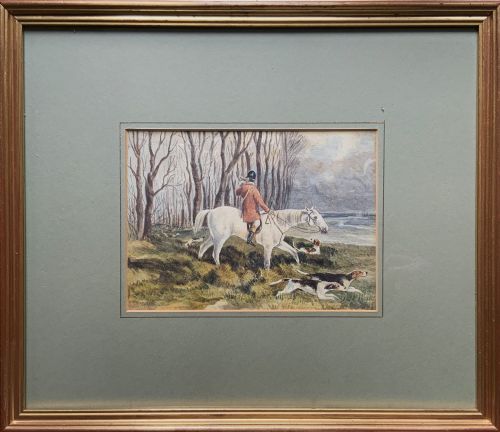
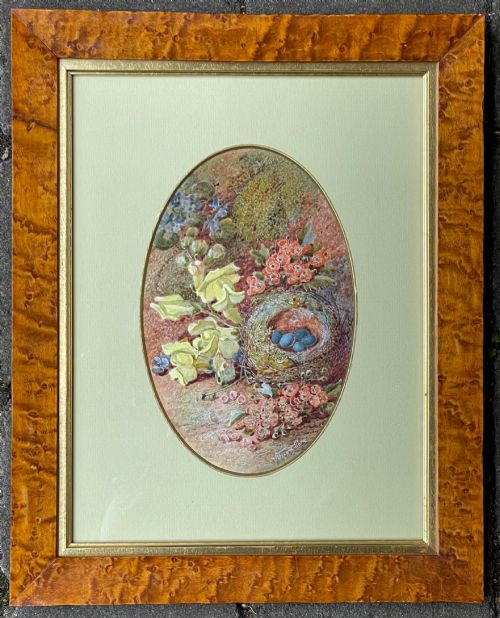
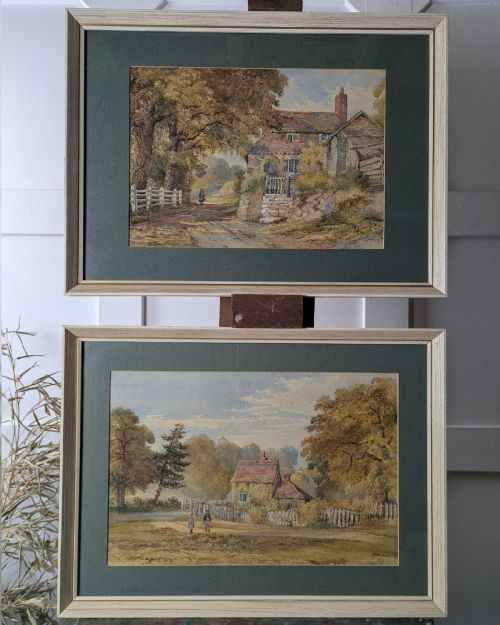
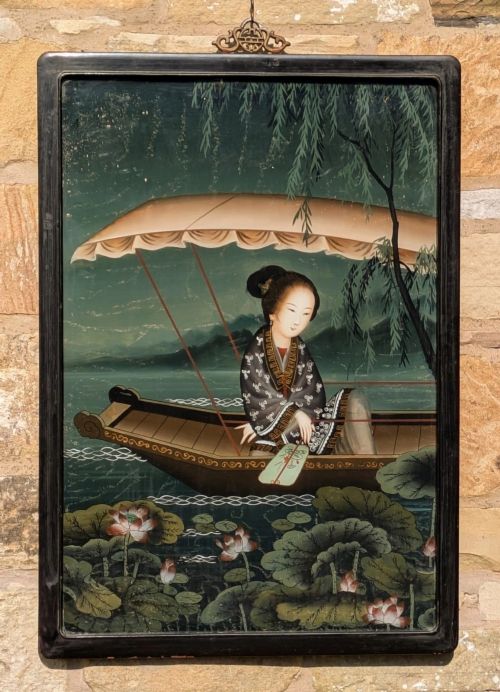
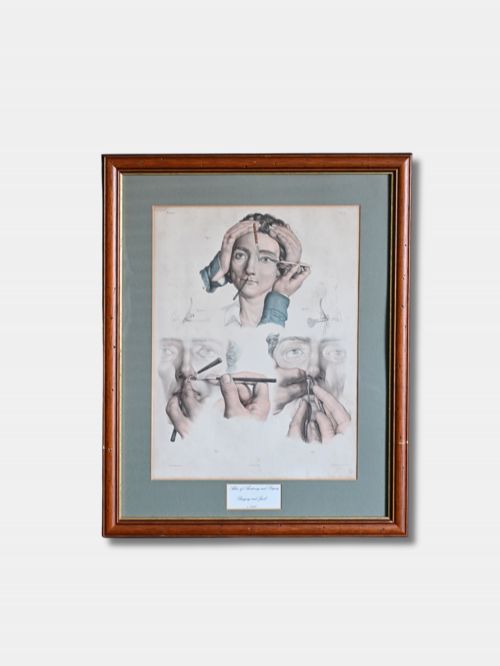
Green mount wall art encompasses a diverse selection of framed works, ranging from Victorian naturalism and post-impressionist pastels to 17th century Flemish game park tapestries. Buyers seeking green mount wall art encounter everything from Chinese reverse paintings on glass and Edo period Japanese woodblock prints to Edwardian first edition prints.
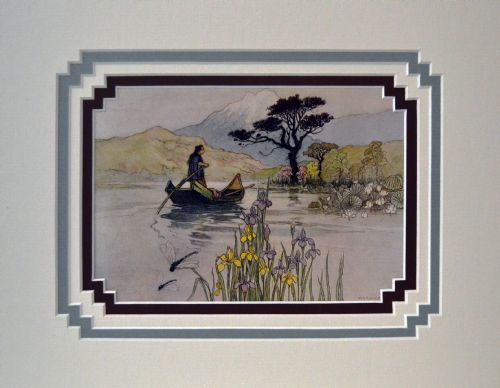
The objects take many physical forms within the listings, including wall cabinets, painted spoon racks, framed art, and individual watercolours by named artists such as Robert A. Nottingham and Vincent Clare. Mid-century works sit alongside 19th century French lithographs and architectural engravings.
The range extends from delicate botanical and bird engravings by William Swainson to domestic interior scenes and sporting Vanity Fair double prints. Each piece represents a specific period of framing and mounting tradition, uniting prints, paintings and textiles under a single decorative category.
Materials and construction
Construction relies heavily on traditional wood framing enclosing works executed on paper, cardboard, silk, or glass. Artisans utilised ink, watercolour, oil, and hand-coloured lithography to produce the primary imagery.
Techniques range from Chinese reverse painting on glass and Japanese woodblock printing to Arts and Crafts pokerwork on wooden wall-mounted cupboards. Gold leaf occasionally highlights frames and surfaces, while textiles utilise tapestry weaving methods.
Green Mount Wall Art Retail Price Guide 2026
Typical asking prices for green mount wall art among the pieces listed under this phrase on Sellingantiques today, from the lower quarter to the upper quarter. They describe what is for sale here now, not the wider market.
Materials employed across the inventory include delicate silk, paper, glass, cardboard, and gold leaf set within timber frames.
Evaluating craftsmanship and condition
Quality rests upon the execution of the primary medium, whether the precision of an architectural engraving or the brushwork in a wartime watercolour. The harmony between the artwork and its period frame influences the overall integrity of the piece.
Preservation of the delicate paper, silk, or watercolour pigments determines the longevity and visual impact of the work. Evidence of original stamping, signatures, and early editions adds documented provenance to the object.
Robert A. Nottingham·Vincent Clare·Warwick Goble·James Tower·Kunisada·William Swainson
The Green Mount Wall Art Glossary
- Lithography
- A planographic printing process using a flat stone or metal plate, common in 19th-century illustrated works. It allowed for the mass production of detailed hand-coloured plates.
- Woodblock print
- An image carved into a wooden block, inked, and transferred to paper, prominent in Japanese Ukiyo-e art. This technique defined centuries of East Asian graphic traditions.
- Pokerwork
- The art of decorating wood or other materials by burning surfaces with a heated tool, seen in Arts and Crafts pieces. It creates textured, sepia-toned linear designs.
- Reverse painting on glass
- An application of pigment to the rear side of a glass panel, viewed through the transparent front. This technique produces a glossy, preserved surface finish.
- Engraving
- A printmaking method where an artist cuts lines directly into a metal plate with a burin. The resulting incisions hold ink to create sharp, highly detailed impressions.
Green Mount Wall Art: Frequently Asked Questions
How do I hang a heavy tapestry?
Heavy tapestries require even weight distribution across a sturdy wooden batten or hidden iron rod secured directly to wall studs. This prevents the fabric fibres from stretching or tearing under their own weight over time.
Ensure the mounting hardware matches the specific wall material, whether plaster, brick or drywall, to maintain stability. Professional framing or lining can also provide additional structural support for antique textiles.
Are antique frames original?
Many pieces retain their period frames, but framing styles frequently changed as owners updated interiors to match contemporary tastes. Inspecting the joinery, backboards, and mounting nails helps determine whether a frame belongs to the same era as the artwork.
Matching a frame to the exact date of a print or painting is common practice among collectors who value historical continuity. However, replacement frames from a similar period remain entirely acceptable for display.
Can watercolours tolerate sunlight?
Watercolour pigments and inks are sensitive to ultraviolet light and will fade significantly with prolonged exposure to direct sunshine. Hang these works on interior walls away from south-facing windows to preserve the original colour intensity.
Utilising conservation-grade glass with UV-blocking properties offers an essential layer of protection for paper-based art. Rotating pieces seasonally further minimises environmental wear.