



Green Marble Carving
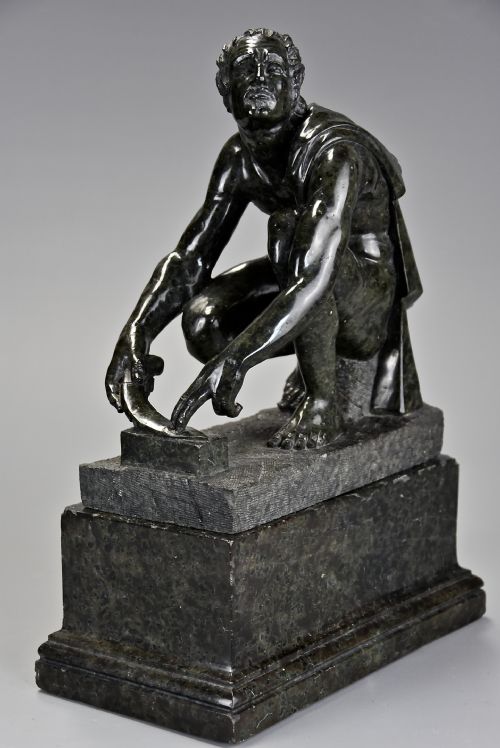
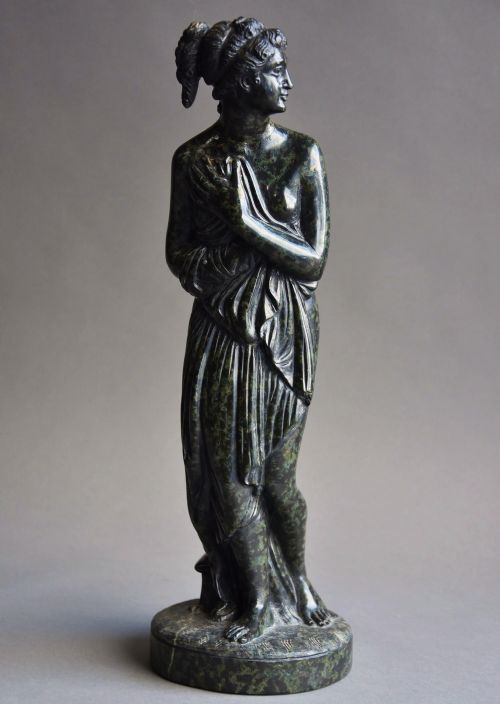
These pieces of green marble carving bring neoclassical weight and rich mineral colour into a room.
Green Marble Carving
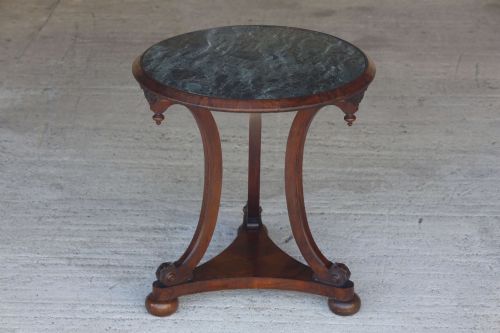
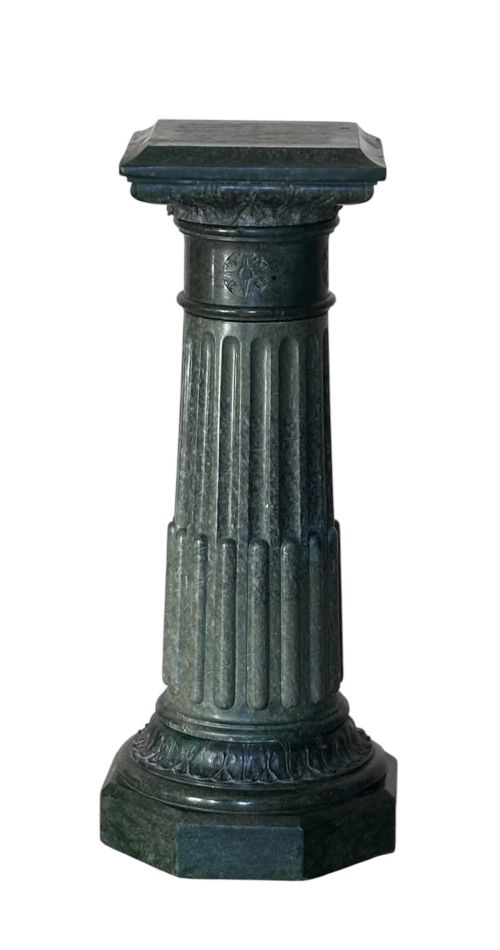
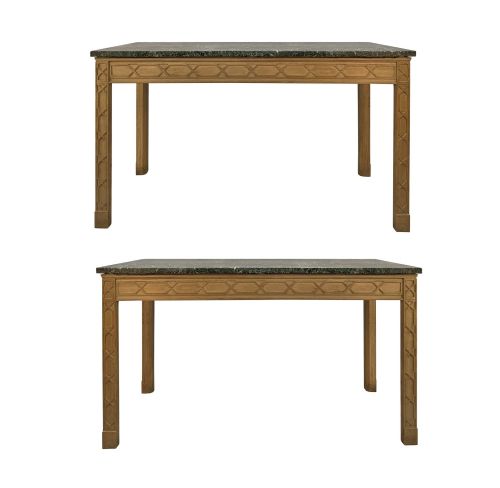
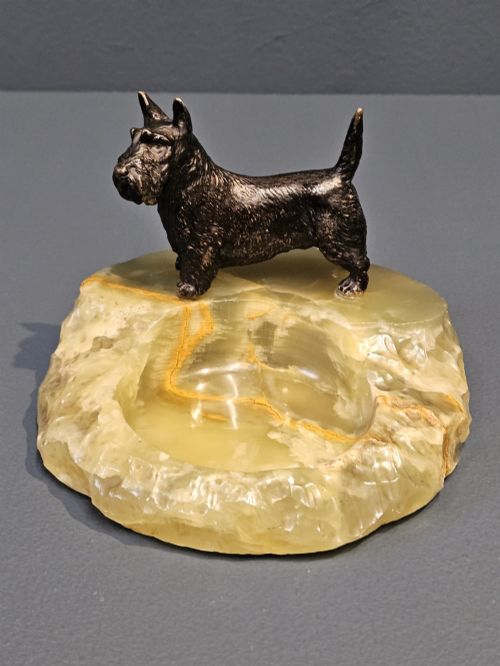
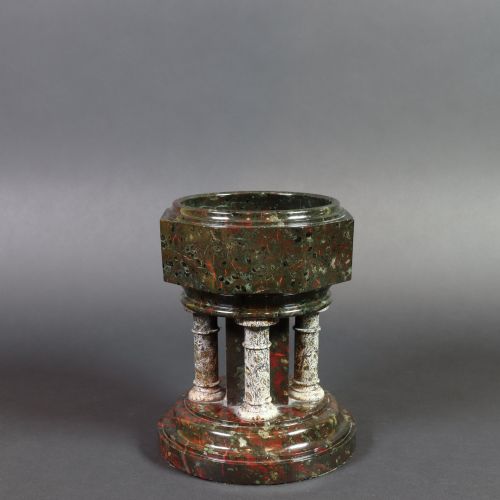
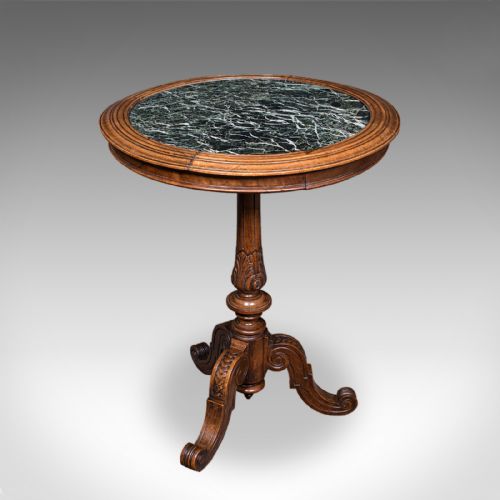
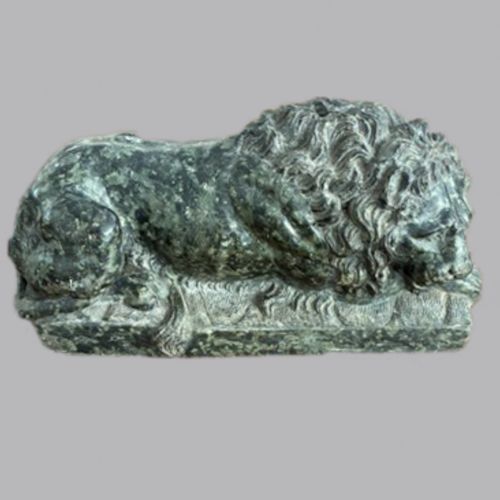
When searching for green marble carving, a buyer encounters a range of decorative objects and furniture spanning the eighteenth, nineteenth, and early twentieth centuries. The selection includes architectural columns, pedestals, console tables with polished slabs, and carved animal figures.
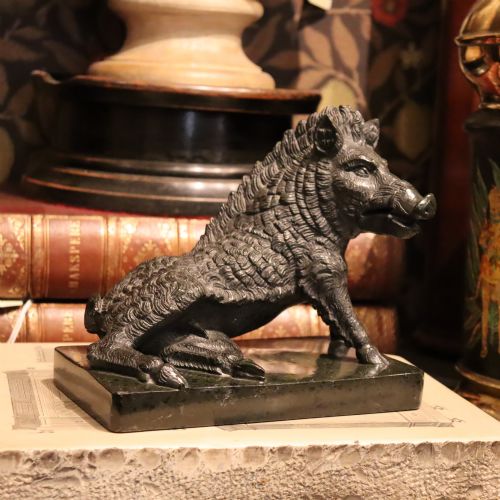
Grand Tour pieces originating from Italy form a distinct group within this category. These smaller carvings often reproduce classical sculptures or natural subjects such as boars and lions in serpentine and verde antico stones.
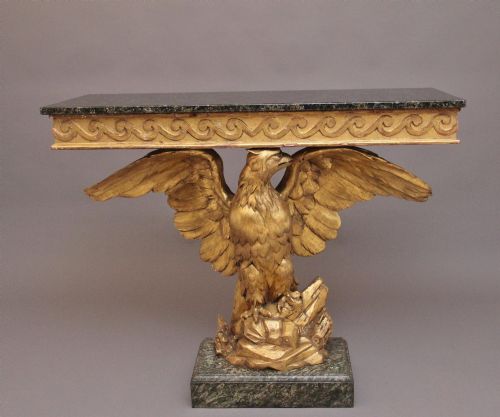
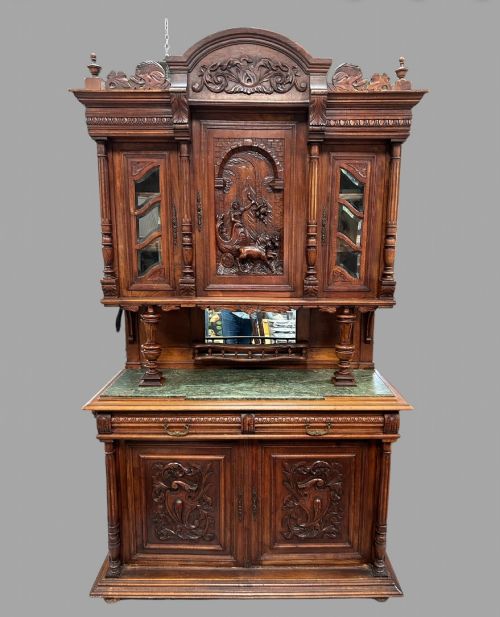
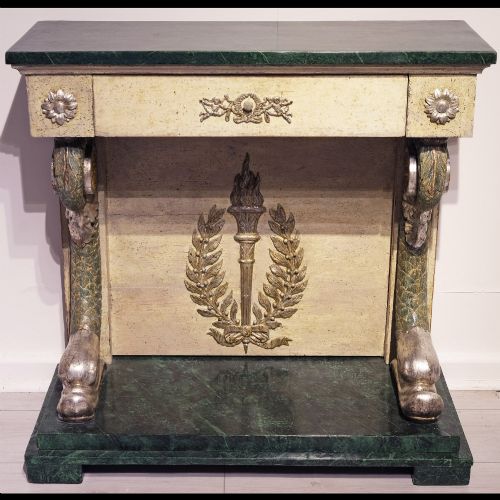
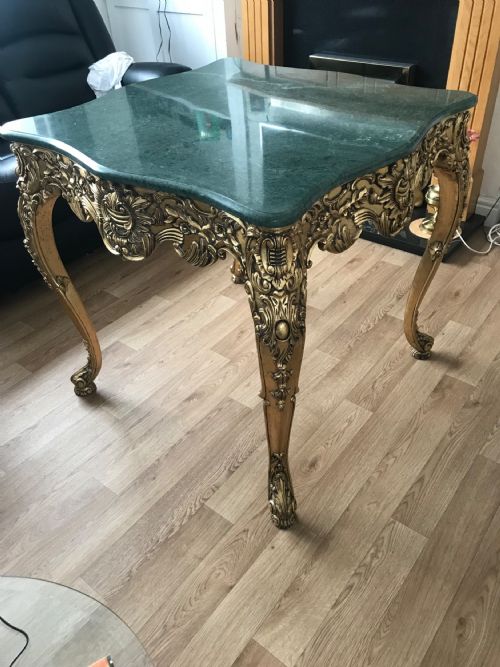
The nineteenth-century examples dominate the offerings, showing Neoclassical and Revival styles adapted for European drawing rooms and libraries. Console tables and occasional furniture frequently pair carved timber bases with heavy green stone tops.
Materials and working methods
Craftsmen utilised various dense mineral blocks, including serpentine, verdo prato, and verde antico, which were sourced from Italian and British quarries. These stones were shaped with chisels and abrasive powders before receiving a high-gloss mechanical polish.
Carvings after the antique required careful hand-tooling to replicate classical drapery and anatomical detail in hard material. Furniture makers mounted these carved slabs and solid tops onto gilded wood, walnut, and pine framing.
Green Marble Carving Retail Price Guide 2026
Typical asking prices for green marble carving among the pieces listed under this phrase on Sellingantiques today, from the lower quarter to the upper quarter. They describe what is for sale here now, not the wider market.
Several nineteenth-century carvers immortalised stubborn political figures as domestic bookends, proving that even heavy green stone can hold up light reading.
Judging the work
Quality rests in the crispness of the chisel work and the natural variation within the mineral veining. Superior Italian carvings show precise anatomical rendering in figures and clean lines on architectural columns.
The integration between the carved stone top and its wooden base dictates the success of a table. Heavier, solid marble slabs require robust joinery and stable framing to support the weight over centuries of use.
The Green Marble Carving Glossary
- Verde antico
- A dark green serpentine breccia with white calcite veining used extensively in ancient Rome and later revived in nineteenth-century decorative arts.
- Grand Tour
- A traditional trip through Europe undertaken by upper-class young men in the eighteenth and nineteenth centuries, resulting in the acquisition of art and carved antiquities.
- Serpentine
- A group of green silicate minerals that take a fine polish and resemble the mottled skin of a snake.
- Console table
- A table supported by wall brackets or decorative legs, frequently topped with stone and placed against a parlour wall.
- Neoclassical
- A Western cultural movement drawing on the art and culture of classical antiquity, prevalent in furniture and sculpture during the eighteenth and nineteenth centuries.
Green Marble Carving: Frequently Asked Questions
How do I clean a green marble carving?
Use a soft, dry cloth to remove dust from the polished surface. Avoid acidic cleaners or household detergents that etch the stone.
Apply a neutral mineral wax sparingly if the polish requires refreshment, buffing it gently after application.
Where should I place a heavy marble console table?
Position the piece against a sturdy load-bearing wall where the floor joists can support the combined weight of the stone top and timber base. Ensure it sits on an even surface to prevent stress on the joints.
Keep these tables away from direct heat sources and moisture to protect both the stone and the gilded or polished wood beneath.
How can I tell an 19th-century Grand Tour carving apart from later copies?
Examine the tooling marks under magnification and check the weathering of the stone surface. Nineteenth-century pieces often exhibit hand-finishing and mineral patination consistent with age.
Later reproductions frequently display mechanical saw marks and uniform machine polish without the subtle irregularities of nineteenth-century workshop practice.
What is the difference between serpentine and verde antico?
Serpentine is a fibrous magnesium silicate mineral that displays mottled green patterns resembling snakeskin. It was widely worked in Cornwall and Italy.
Verde antico is a specific brecciated conglomerate containing dark green fragments embedded in a lighter matrix, highly prized for classical architectural columns.