



Green Majolica Pottery
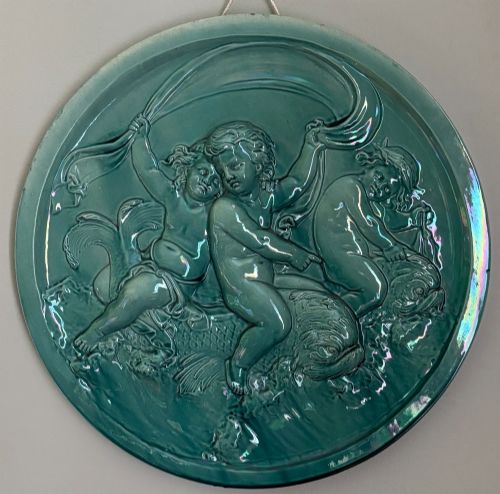
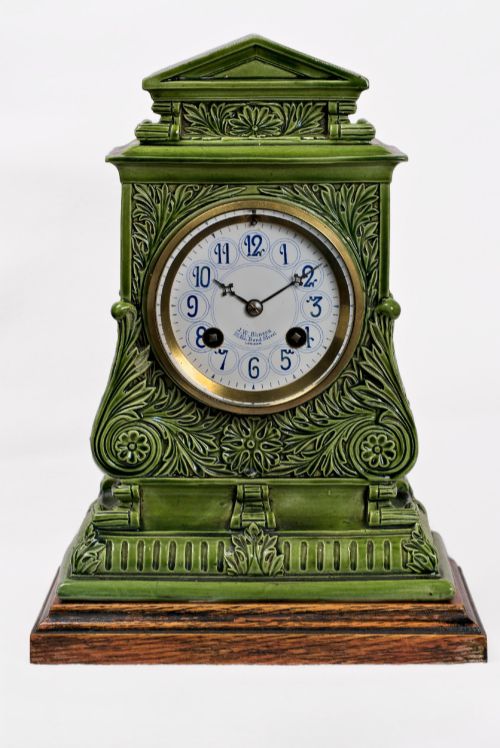
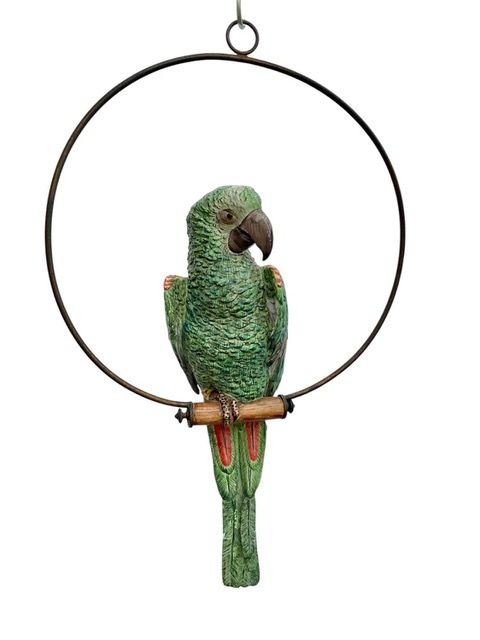
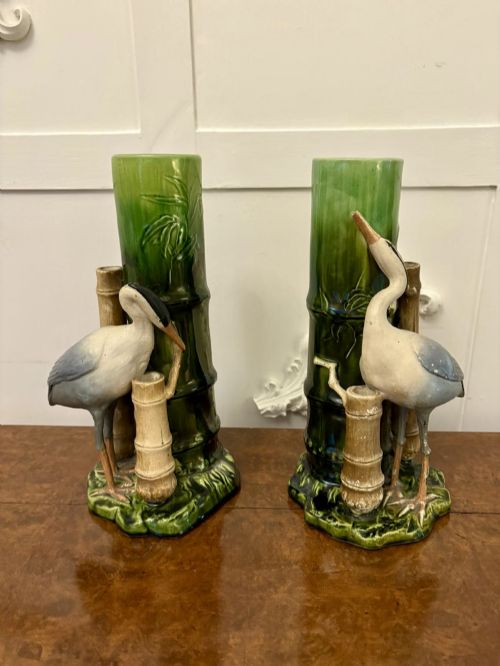
Green majolica pottery brings brilliant lead-glazed colour to domestic spaces through heavily modelled Victorian and Art Nouveau earthenware forms.
Green Majolica Pottery
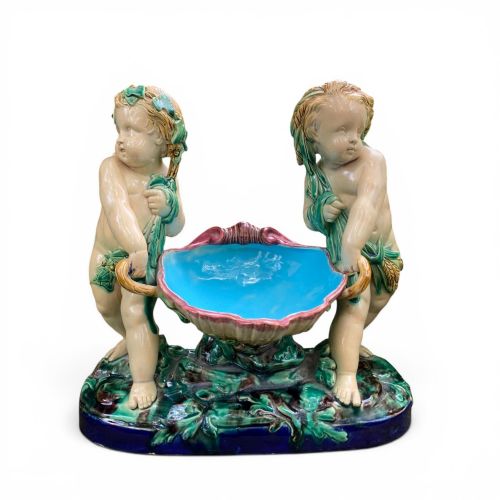
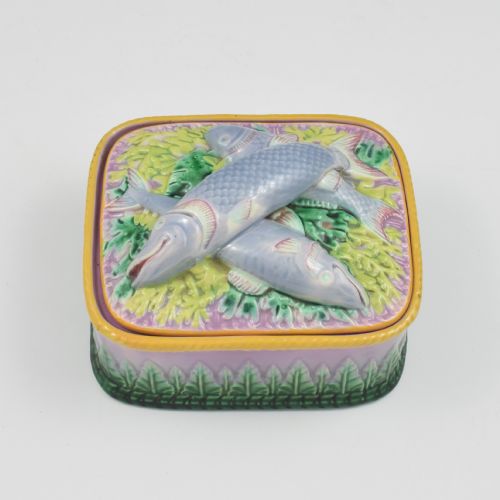
When you search for green majolica pottery, you encounter a distinct category of glazed earthenware vessels and decorative objects originating primarily from the nineteenth and early twentieth centuries. These pieces encompass a wide domestic range, from jardinieres and wall brackets to figural jugs, sardine boxes, and cheese domes.
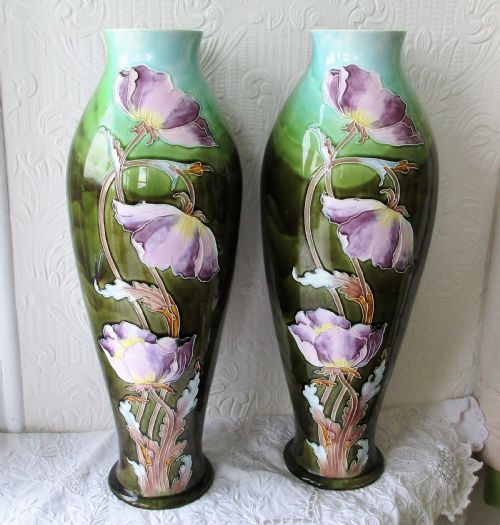
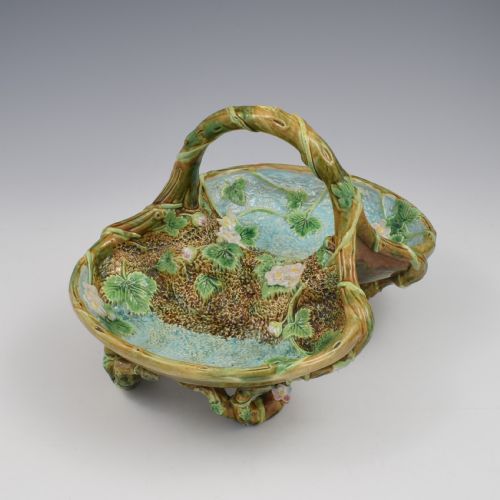
You are most likely to meet Victorian pieces exhibiting exuberant naturalistic motifs, such as bulrushes, water lilies, and frogs, alongside later Art Nouveau and Italian Renaissance Revival forms. English factories like Minton and George Jones dominate this selection, though French faience and continental makers are also represented.
The underlying forms serve both ornamental and utilitarian functions in period interiors, utilising rich botanical green tones to define their sculptural surfaces. Each object demonstrates the Victorian appetite for combining bold colour with highly textured ceramic modelling.
Materials and Technique
The foundation of these pieces is earthenware or ceramic, shaped either by casting or moulding to achieve intricate relief details. Artisans then applied colourful lead glazes directly onto the unfired or biscuit body, allowing the liquid minerals to pool and pool deeply across the modelled surfaces.
During the firing process, these metallic oxide glazes fused with the clay, producing the characteristic vibrant green sheen and glossy finish associated with majolica. This technique required precise temperature control to ensure the rich glazes settled evenly over complex botanical and figural designs without running.
Green Majolica Pottery Retail Price Guide 2026
Typical asking prices for green majolica pottery among the pieces listed under this phrase on Sellingantiques today, from the lower quarter to the upper quarter. They describe what is for sale here now, not the wider market.
Current listings demonstrate a strong representation of Victorian naturalism, featuring earthenware jugs, jardinieres, and vases from English and continental potteries.
Evaluating Quality in Majolica
The distinction between standard production wares and exceptional output lies in the crispness of the moulding and the depth of the glaze application. Superior pieces retain sharp relief in details such as foliage, feathers, or figures, whereas lower-quality items exhibit softened contours where the glaze has pooled too thickly.
Palette control also separates the fine examples from ordinary factory output, with better makers achieving subtle shading and harmonious colour transitions across the green ground. The precision of the initial modelling and the absence of firing distortions dictate the overall sculptural success of the object.
Minton·George Jones·Julius Dressler·Joseph Holdcroft·Ulisse Cantagalli·Albert Carrier·Bretby·Eichwald
The Green Majolica Pottery Glossary
- Majolica
- A type of pottery decorated with opaque coloured lead glazes over an earthenware body. This technique created the brilliant green surfaces and high-relief ornamentation popular during the Victorian era.
- Earthenware
- Porous pottery fired at relatively low temperatures. It forms the structural base for virtually all the majolica pieces encountered in this category.
- Faience
- Tin-glazed earthenware produced in France and other continental European regions. It shares technical similarities with majolica and appears in later Art Nouveau variations.
- Jardiniere
- A large ornamental pot or stand designed to hold live plants. These vessels often feature heavy majolica relief moulding depicting natural themes.
- Tin Glaze
- An opaque white glaze rendered by the addition of tin oxide, frequently used as a base layer before colour application. It provides a smooth ground for subsequent decorative painting.
Green Majolica Pottery: Frequently Asked Questions
What is green majolica pottery?
Green majolica pottery consists of glazed earthenware objects featuring vibrant lead glazes and sculptural relief decoration. These pieces date principally from the nineteenth and early twentieth centuries.
They reflect historical revivals and naturalism, utilising rich green tones to highlight botanical and animal forms.
How were these ceramic items used?
Original owners utilised these objects for both practical domestic purposes and pure interior decoration. Items ranged from tableware like cheese domes and sardine boxes to large jardinieres and umbrella stands.
Their striking green surfaces made them prominent display pieces in Victorian and Edwardian reception rooms.
How do I care for antique majolica?
Care requires gentle handling to protect the brittle earthenware body and the glossy surface glaze from impact. Dusting with a soft dry cloth is usually sufficient for routine maintenance.
Avoid immersing antique glazed ceramics in water for extended periods, as moisture can penetrate hairline crazing in the glaze.
How do I date a majolica piece?
Dating relies on stylistic clues, factory registration marks, and the specific characteristics of the glaze and clay body. Victorian pieces often display naturalistic plant and animal motifs, while later examples incorporate Art Nouveau lines.
Comparing the modelling style to documented factory designs helps narrow down the production period.