

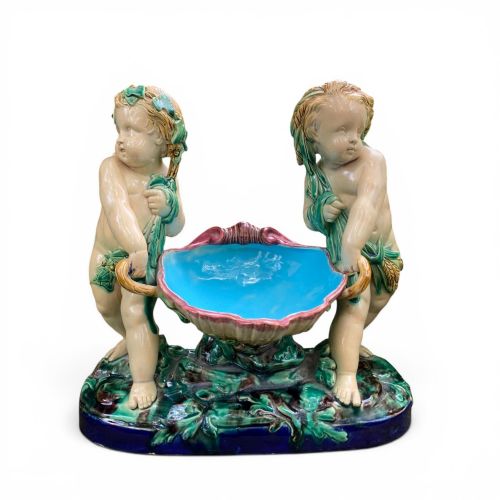


Green Majolica Dish
These green majolica dish pieces are striking Victorian and early twentieth century earthenware vessels defined by rich, vibrant coloured lead glazes.
Green Majolica Dish
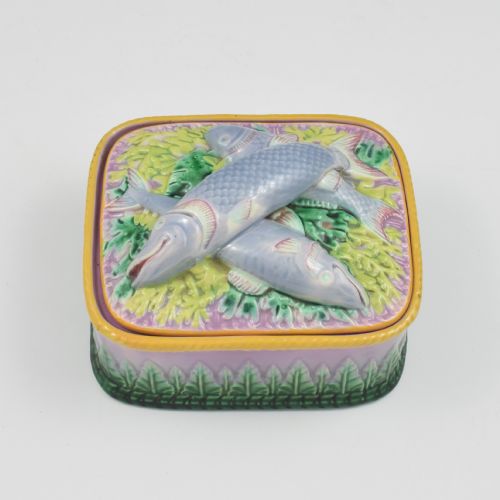
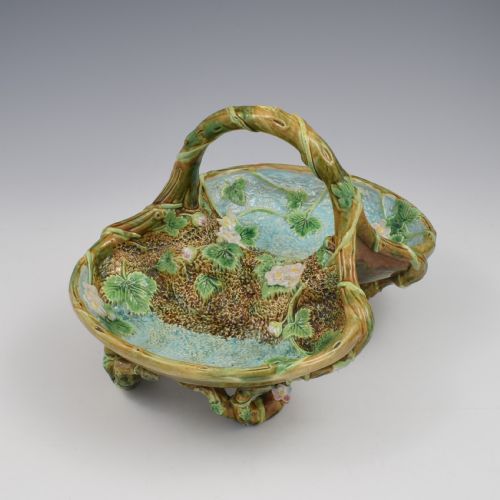
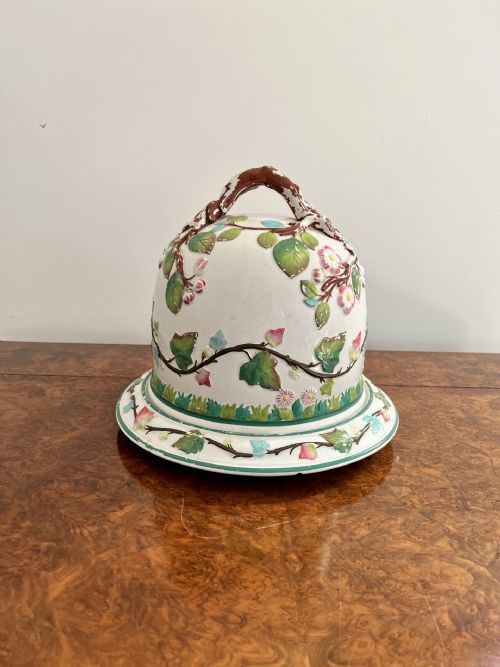
A green majolica dish comprises a range of nineteenth century and early twentieth century utilitarian and decorative forms, spanning Victorian naturalism into Art Nouveau design. Buyers seeking a green majolica dish encounter comports, cheese domes, fruit baskets, and lidded sardine or game boxes.
The objects stem predominantly from the Victorian period, with key pieces appearing from the 1860s through to the early 1900s. These pieces include large cheese dishes, bread plates, compotes, and decorative trays modelled on natural forms such as leaves and baskets.
How they were made
Potters shaped these vessels from earthenware or porcelain bodies before applying complex lead and majolica glazes. The chemistry of these metallic oxide glazes created deep, glossy surface colours during the kiln firing process.
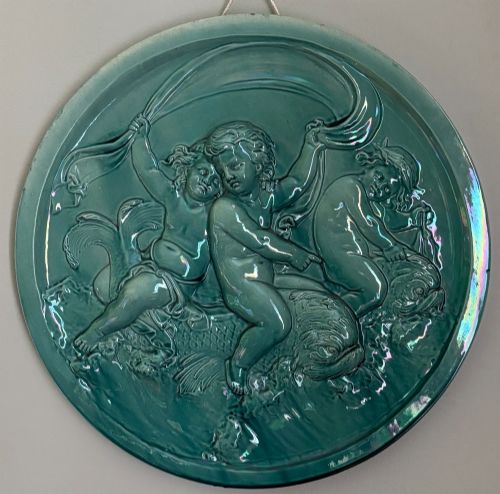
Makers utilised moulded techniques to achieve intricate naturalistic relief details, including foliate patterns, cherubs, and animal figures. The coloured glazes pooled naturally in the recesses of the relief work, giving each piece its characteristic tonal depth.
Green Majolica Dish Retail Price Guide 2026
Typical asking prices for green majolica dish among the pieces listed under this phrase on Sellingantiques today, from the lower quarter to the upper quarter. They describe what is for sale here now, not the wider market.
Victorian diners apparently required specialised ceramic architecture just to keep their sardines appropriately housed and ventilated.
What varies in quality
Quality rests upon the crispness of the moulded relief and the control of the coloured glaze during firing. Superior examples retain sharp botanical details, such as the veins of begonia leaves, without the glaze pooling too thickly and obscuring the underlying form.
The distinction between standard production wares and exceptional studio outputs lies in the ambition of the modelling. Pieces incorporating figural elements like cherubs or complex animal figures demonstrate a higher tier of ceramic artistry than simple utilitarian plates.
George Jones·Minton·Wedgwood·Eichwald
The Green Majolica Dish Glossary
- Majolica glaze
- A colourful lead-based opaque glaze applied to earthenware bodies. It produces vibrant, glossy hues that melt together harmoniously during the firing process.
- Comport
- A raised serving dish or bowl standing on a stem and foot. These vessels were traditionally used for serving fruit or sweets at the dining table.
- Earthenware
- Porous ceramic pottery fired at relatively low temperatures. It requires a waterproof glaze, such as majolica, to render it functional for holding food.
- Victorian Naturalism
- A nineteenth century design movement that drew inspiration directly from flora and fauna. It resulted in ceramics modelled closely on leaves, branches, fruit, and animals.
Green Majolica Dish: Frequently Asked Questions
What were green majolica dishes used for?
These ceramic vessels served practical dining functions, holding cheeses, fruit, sardines, and bread during nineteenth century meals. Larger centrepieces and comports also acted as decorative table ornaments for formal gatherings.
Over time, their role shifted from functional tableware to decorative cabinet pieces collected for their vibrant glazes and sculptural forms.
How do I date a majolica piece?
Dating relies on stylistic markers, such as the transition from Victorian naturalism to later Art Nouveau curves, alongside recorded registry marks or factory ciphers. Comparing the modelling style with known works from makers like Minton or George Jones helps narrow the timeframe.
Material clues, including the weight of the earthenware body and the specific tone of the majolica glaze, further assist in placing a piece within the nineteenth or early twentieth century.
How do I care for majolica?
Display these glazed earthenware pieces away from direct sunlight to preserve the brilliance of the coloured lead glazes. Dust them gently with a dry, soft cloth rather than using chemical cleaning products.
Avoid submerging antique pieces in water for prolonged periods, as the porous earthenware body beneath the glaze can absorb moisture through tiny hairline cracks.
Are these pieces marked by makers?
Many examples bear impressed factory ciphers, shape numbers, or diamond-shaped British patent registry marks on the base. These stamps indicate the exact year or batch of production.
Some high-end or artistic pieces carry painted initials or impressed maker names, though smaller utilitarian wares often rely solely on design registration numbers.