
Green Lounge Chair
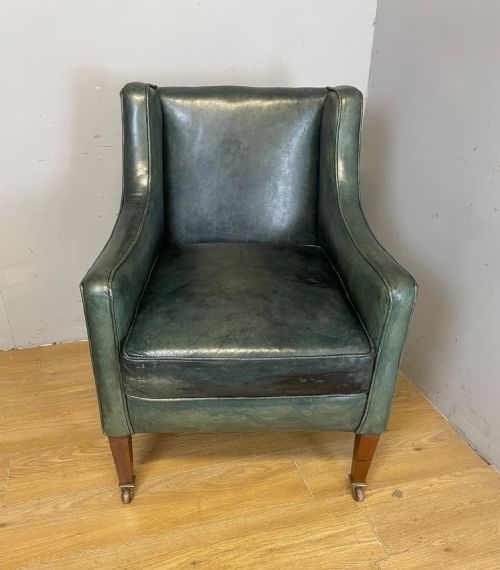
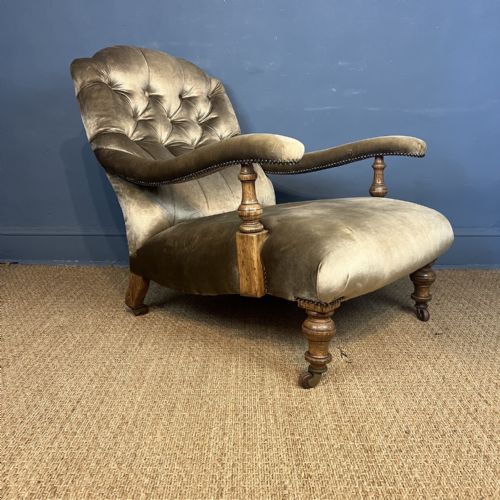
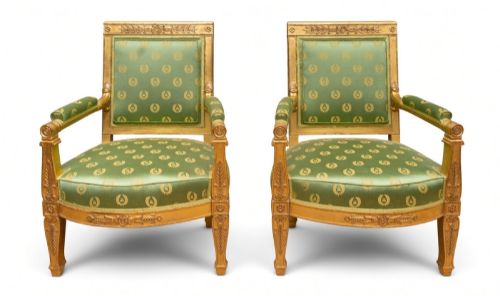
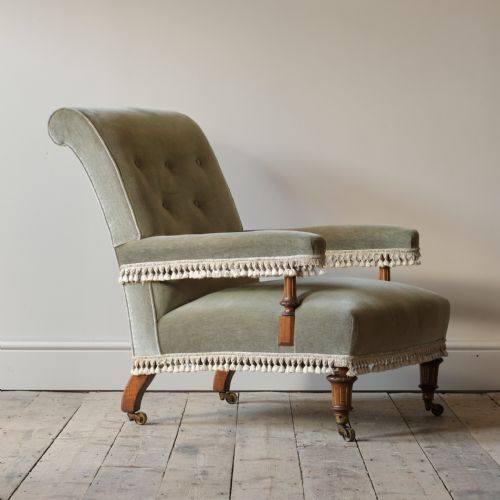
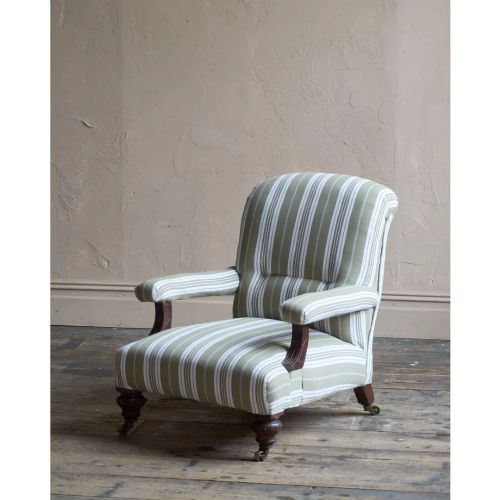
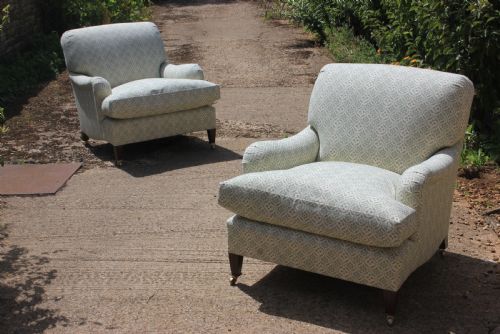
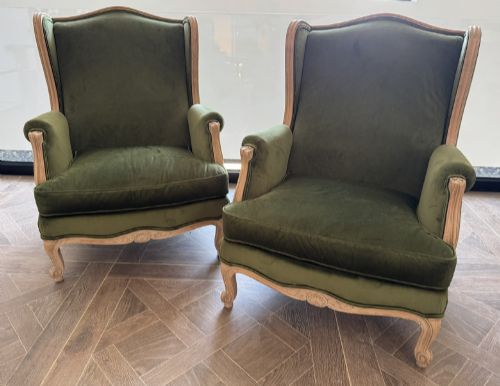
A green lounge chair offers deep seating for quiet rooms, bringing together period woodwork and rich textile upholstery.
Green Lounge Chair
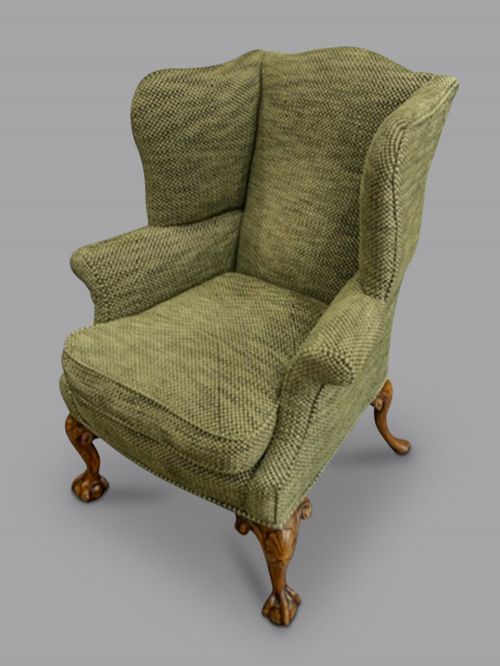
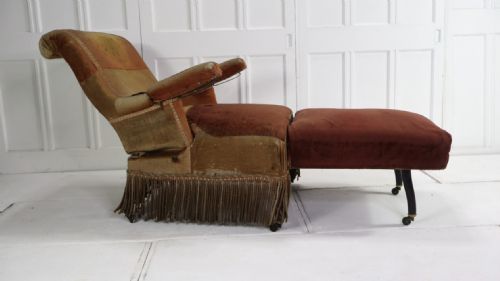
A green lounge chair encompasses armchairs, wing chairs, and daybeds originating from the nineteenth and early twentieth centuries. These seats emerged from Victorian, Edwardian, and Art Deco design traditions, reflecting varied domestic comforts.
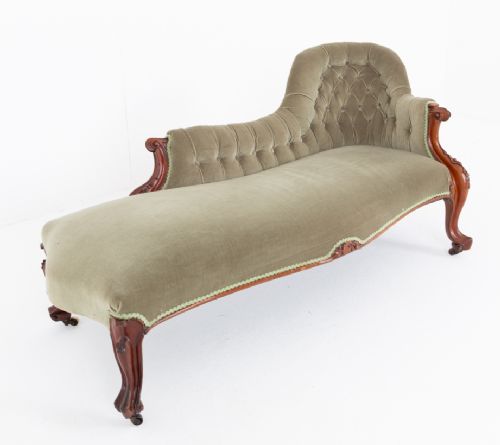
Victorian examples in mahogany, rosewood, and walnut dominate the selection, often featuring button backing or carved cabriole legs. Edwardian and later twentieth-century iterations introduce lighter woods and simpler silhouettes suited to changing interiors.
Materials and construction
Frames rely on hardwoods such as mahogany, oak, walnut, and rosewood, joined with traditional framing techniques to support heavy daily use. Brass fittings and castors frequently complete the lower supports on nineteenth-century pieces.
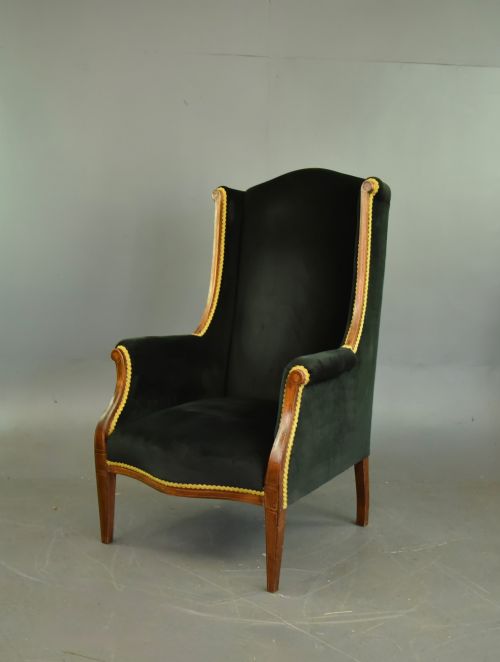
Upholstery employs textiles including velvet, leather, and woven fabrics stretched over sprung interiors. Wood finishes range from polished mahogany to black lacquer and giltwood.
Listings feature Victorian, Edwardian, and Art Deco styles constructed from mahogany, walnut, rosewood, and oak.
Craftsmanship and distinction
The standard of a green lounge chair rests on the crispness of the timber carving and the integrity of the underlying frame construction. Finer pieces demonstrate careful proportion in the arms and backrest, alongside superior joinery.
Maker attribution and original upholstery components elevate specific examples. Workshop output from established makers brings documentary value to pieces built during the Victorian and Edwardian decades.
Howard and sons·Jacob Desmalter·Gillows·Hampton and sons·C Hindley and Sons·Heals
The Green Lounge Chair Glossary
- Bergere
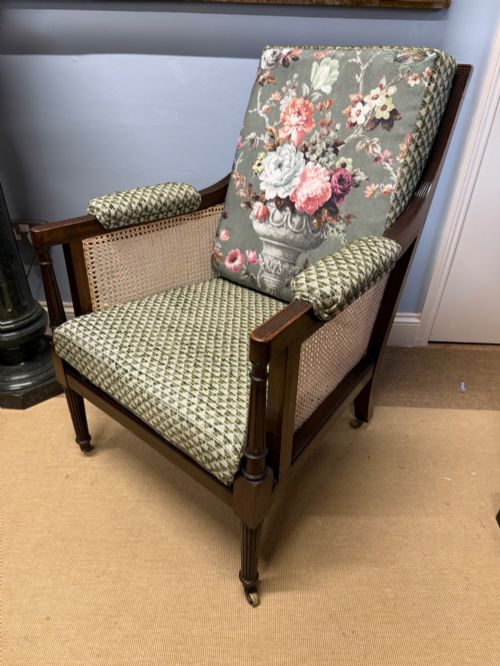
- An enclosed armchair with cane or upholstered sides. This French form became popular in mahogany frames during the nineteenth century.
- Chaise longue
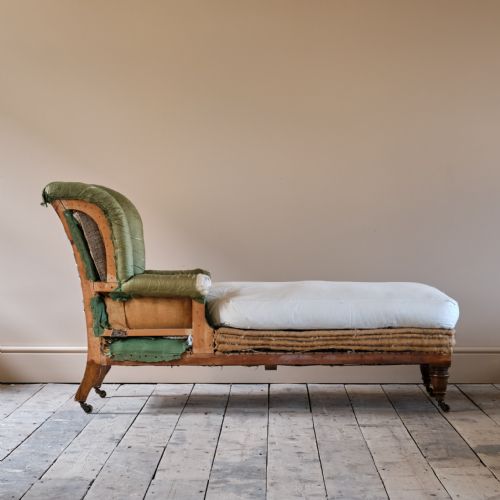
- An elongated chair designed for reclining, combining a seat with a backrest at one end. Victorian examples often utilise rosewood or mahogany frames.
- Cabriole leg
- A furniture leg that curves outward and then tapers inward, finishing in a pad or claw foot. This shape appears frequently on Victorian armchair supports.
- Button back
- An upholstery style where depressions are formed in the padding by stitches pulled tight and secured with buttons. It provides firm support across Victorian gentleman chairs and lounge seats.
- Wingback
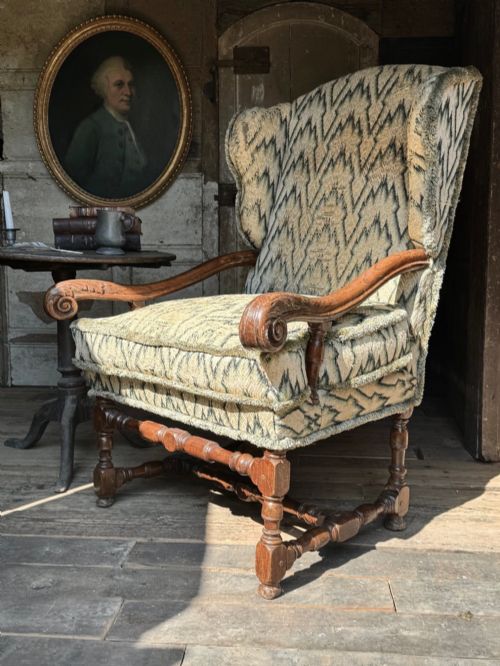
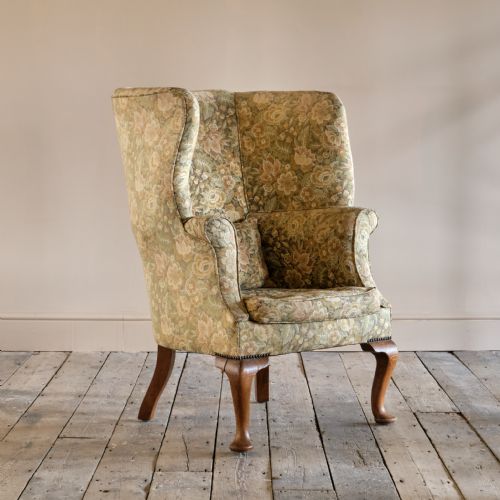
- An armchair with side panels or wings attached to the back frame. These panels originally served to shield the sitter from draughts in period rooms.
Green Lounge Chair: Frequently Asked Questions
How do I date a green lounge chair?
Dating relies on timber choice, turning styles, and upholstery methods visible beneath the frame. Victorian pieces often use rosewood or mahogany with heavy sprung foundations, whilst Edwardian examples tend toward lighter inlaid woods.
Comparing the stretcher arrangement and leg form against established design periods helps narrow the decade of production. Maker stamps on the castors or timber frame provide definitive dates.
Where should I place a lounge chair?
These seats suit reading corners, studies, and drawing rooms where deep proportions allow for extended sitting. Their substantial frames require sufficient floor space to sit comfortably away from walls.
Positioning the chair away from direct sunlight protects textile upholstery like velvet and leather from fading over time.
What is a Howard style armchair?
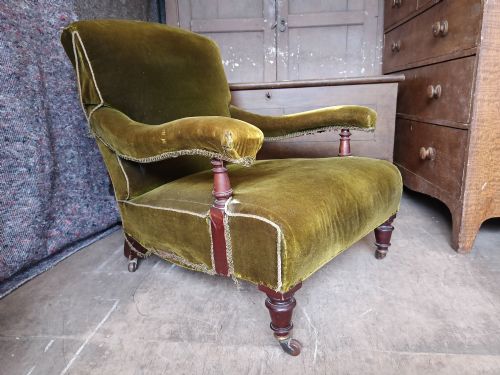
A Howard style armchair is a deeply comfortable seat known for low rolled arms and generous proportions. Originating from a celebrated nineteenth-century London workshop, these chairs set a standard for domestic upholstery.
Original pieces bear distinct manufacturer markings, whilst later interpretations emulate the characteristic relaxed silhouette and turned wooden legs.
Are these chairs suitable for daily use?
Period frames built from solid hardwoods like oak and mahogany remain structurally robust for modern seating. The comfort level depends on the internal springing and cushion padding.
Many antique armchairs function well in daily routines when paired with sound internal construction and durable fabric coverings.