


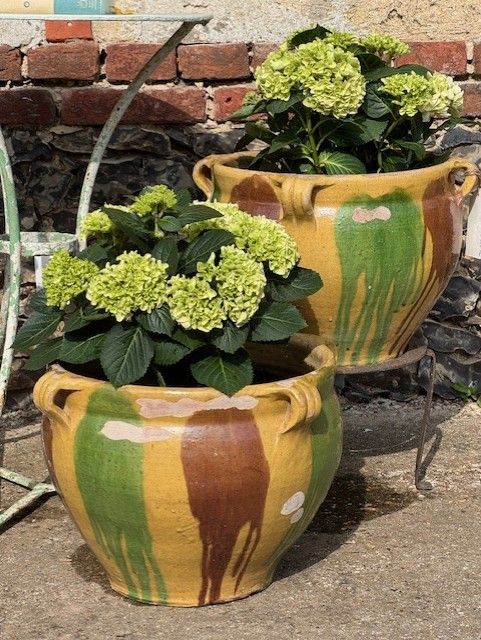

Green Glazed Urn
A green glazed urn brings deep, botanical colour into a room through rich ceramic surfaces and fluid nineteenth-century glazes.
Green Glazed Urn
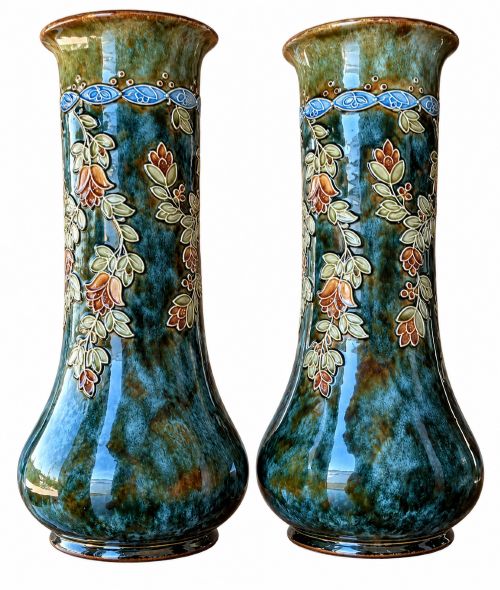
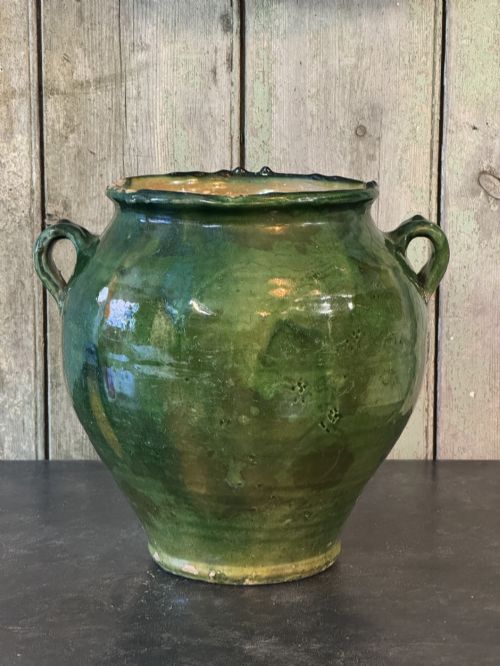
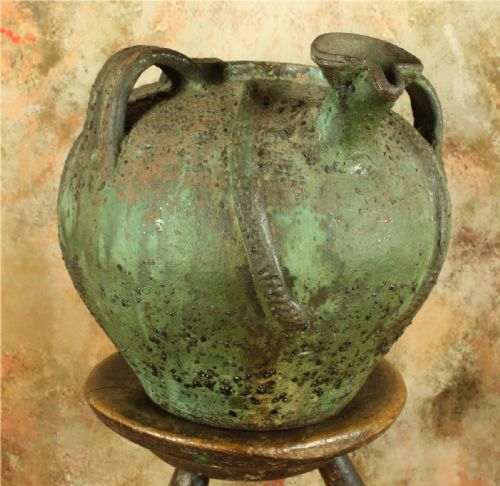
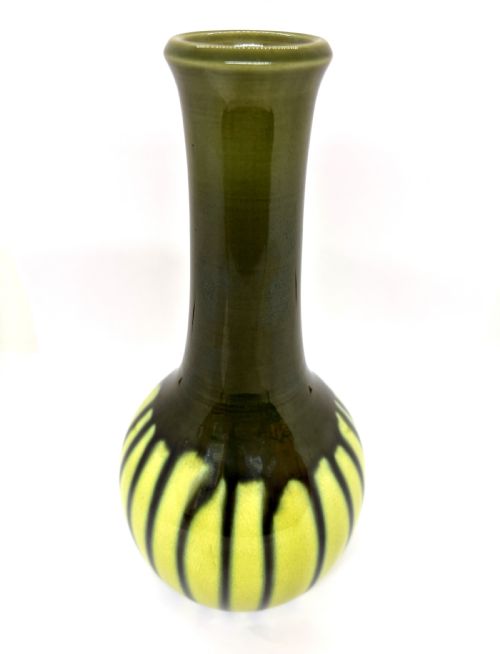
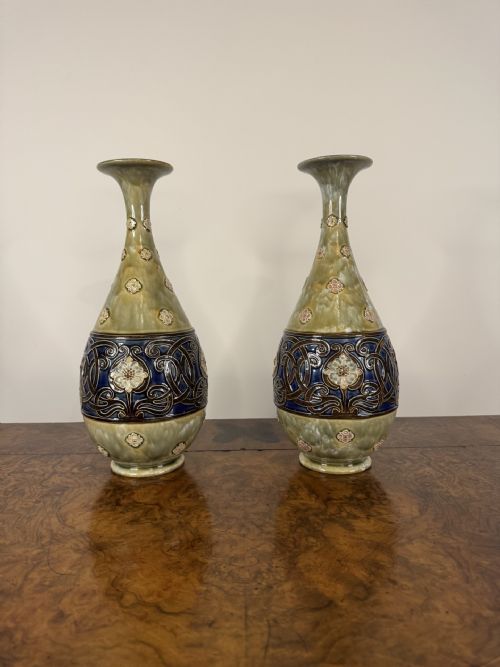
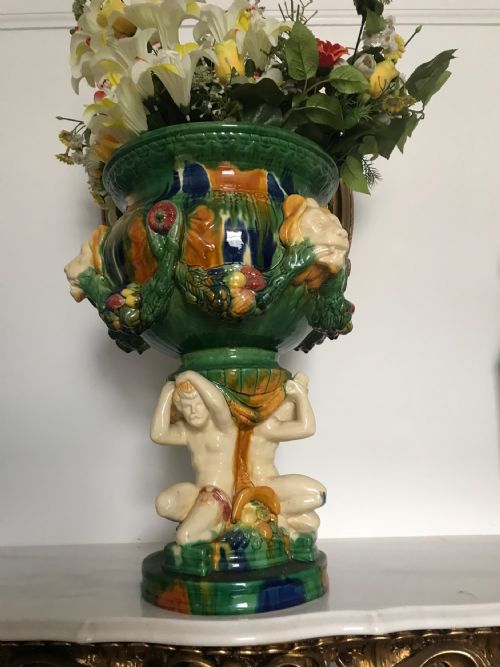
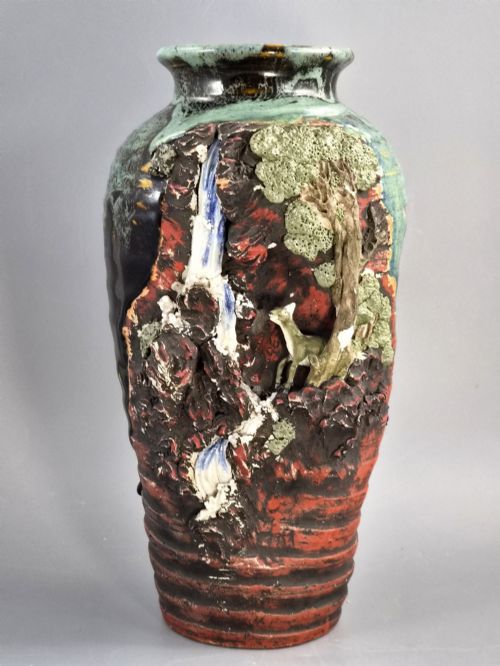
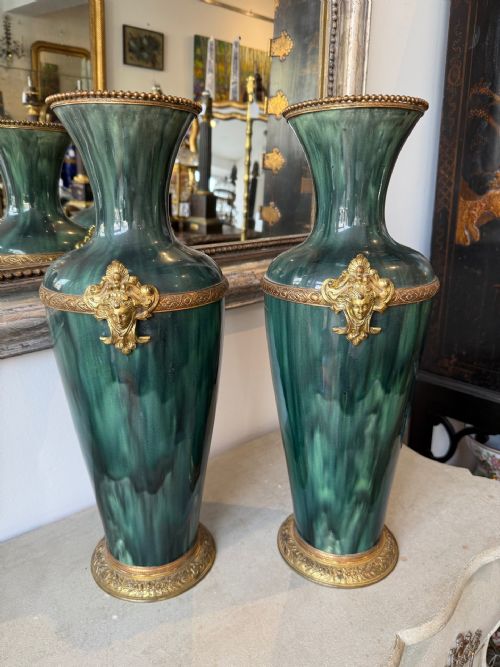
A green glazed urn typically takes the form of a nineteenth-century vase, planter, or confit jar originating from British potteries, French provincial workshops, or Asian kilns. You will frequently encounter robust stoneware vessels and earthenware jars finished in mottled or dripping green glazes.
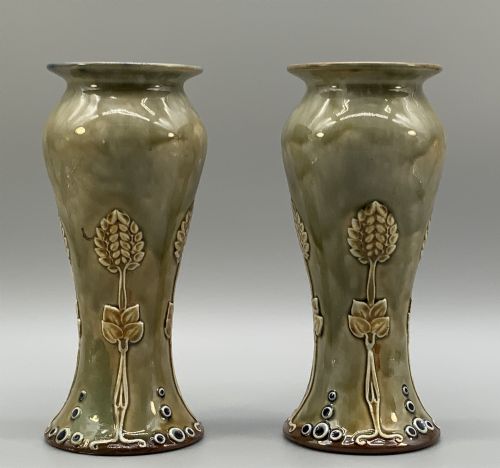
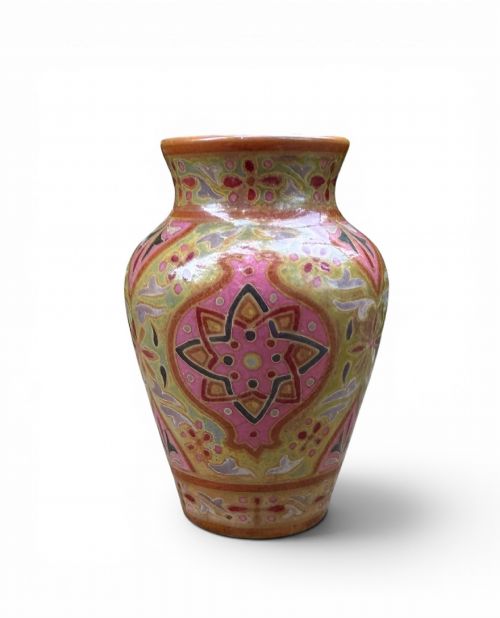
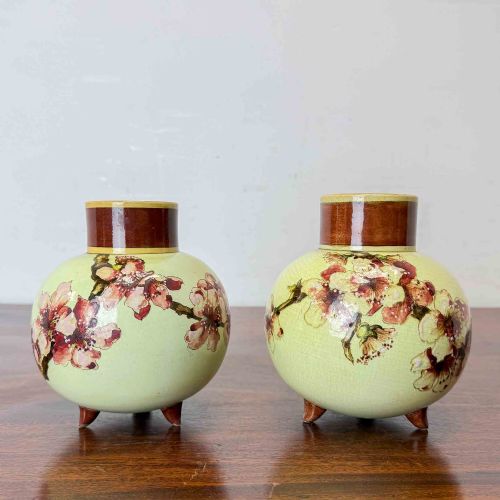
Makers ranged from large British firms like Royal Doulton to continental potteries producing majolica and faience. These vessels served practical storage roles or functioned purely as decorative ornaments in period interiors.
Materials and Techniques
Potters shaped these pieces using earthenware, terracotta, or dense stoneware, throwing them on wheels or casting them in moulds. Artisans then applied liquid glazes containing metallic oxides before firing the ceramic to vitrify the body.
The characteristic green surfaces rely on copper or iron oxides interacting with kiln heat, producing everything from bright majolica enamel to subtle celadon and deep drip glazes.
Listings feature earthenware, stoneware, and terracotta forms created across the nineteenth and twentieth centuries.
Evaluating Quality
Quality rests in the depth and control of the glaze, where deliberate pooling and varied pigment density create visual movement across the ceramic body. Superior examples display crisp modelling in relief decoration and well-balanced proportions.
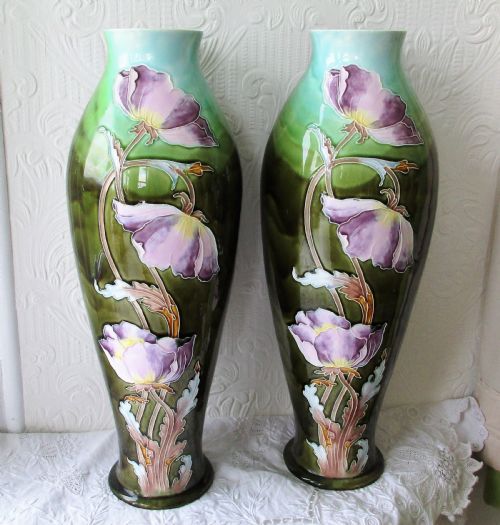
The handling of the clay body, from the sharpness of incised Art Nouveau motifs to the structural integrity of large planters, distinguishes master potteries from standard workshop output.
Royal Doulton·Makuzu Kozan·Julius Dressler·Zsolnay Pecs·Kato Sanhei
The Green Glazed Urn Glossary
- Majolica
- A type of earthenware coated with an opaque tin-lead glaze and painted with metallic oxide colours. It produces vibrant, glossy surfaces popular in nineteenth-century decorative wares.
- Confit pot
- A traditional French earthenware jar featuring handles, historically used for preserving meat or storing oil. They often display local lead glazes running down the body.
- Celadon
- A pale green jade-like glaze originating in Asian ceramics. The subtle colour results from iron oxide fired in a reduced oxygen atmosphere.
- Baluster
- A vase form with a rounded lower body that tapers towards a narrow neck. This classical silhouette provides stability and elegant proportions.
- Stoneware
- A heavy, durable ceramic fired at high temperatures until semi-vitrified. It holds water naturally without requiring internal glazing.
Green Glazed Urn: Frequently Asked Questions
What were green glazed urns used for?
These vessels served practical functions such as storing food, holding water, or housing olive oil in domestic and agricultural settings. Over time, many transitioned into purely decorative roles, acting as floral vases or garden planters.
Larger earthenware and stoneware jars were built for heavy pantry work, while refined ceramic urns adorned nineteenth-century drawing rooms.
How do I date a green glazed ceramic?
Dating relies on identifying the pottery mark, the manufacturing technique, and the stylistic cues of the glaze and clay body. Nineteenth-century pieces often combine historic forms with Victorian revival aesthetics or Art Nouveau plant motifs.
Examining the base and interior reveals clues about wheel-throwing marks or industrial moulding methods used during specific periods.
Are these ceramic pieces waterproof?
Stoneware and fully glazed earthenware generally hold water safely for floral displays, though older porous terracotta can sometimes allow slow moisture seepage. Placing a protective mat beneath antique vessels prevents any dampness from reaching wooden furniture surfaces.
Unglazed interiors in older confit pots mean they suit dried arrangements better than fresh water displays.
How should I clean an antique glaze?
Dust the surface gently with a soft, dry cloth to preserve the historic glaze and any delicate surface crazing. Avoid chemical cleaners or harsh scrubbing that might damage aged earthenware or enamel finishes.
Warm water on a damp cloth safely lifts normal dirt from robust stoneware and glazed ceramic pieces.