






Green Glazed Jug
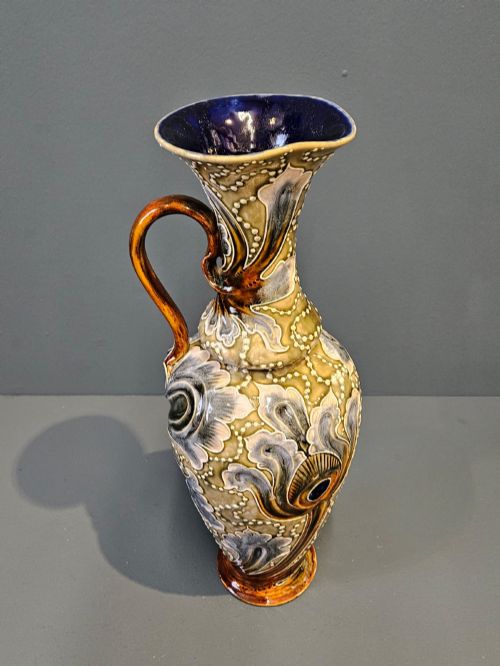
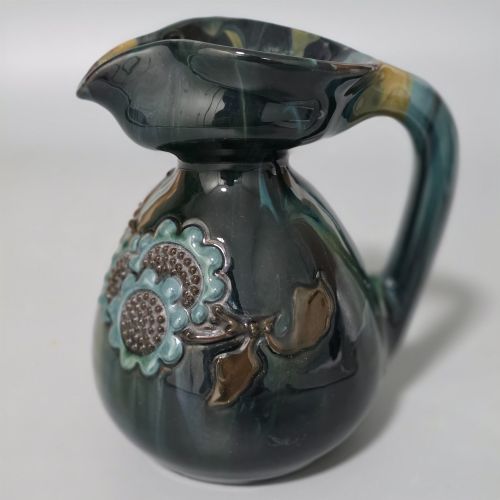
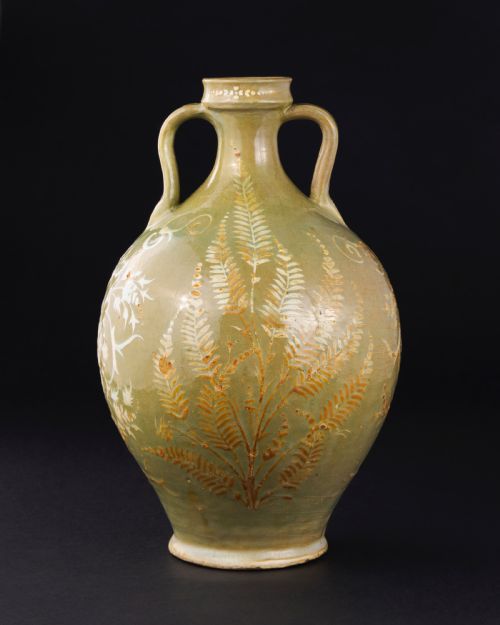
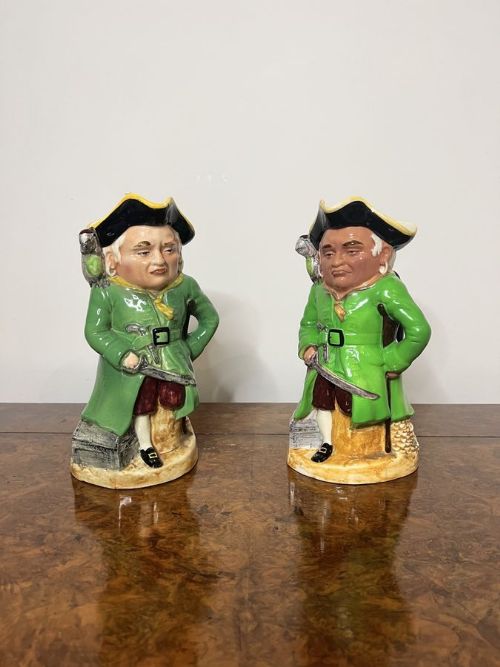
These green glazed jug pieces are functional vessels and display works carrying rich historic character that command attention in any room.
Green Glazed Jug
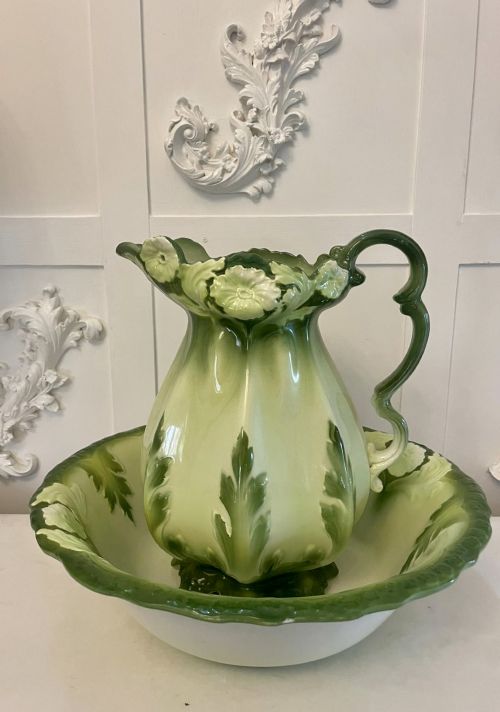
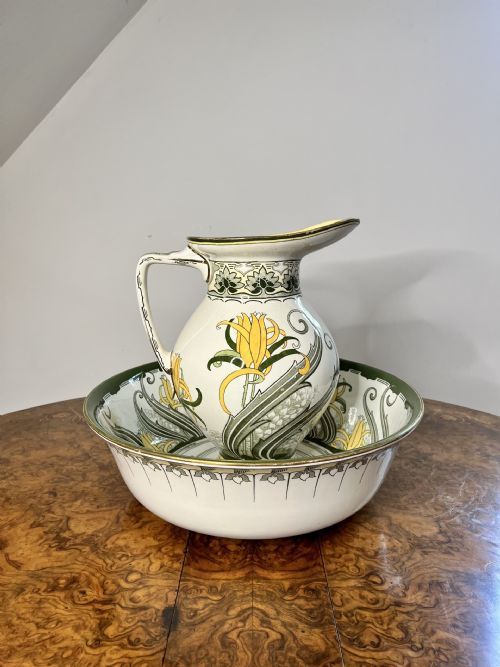
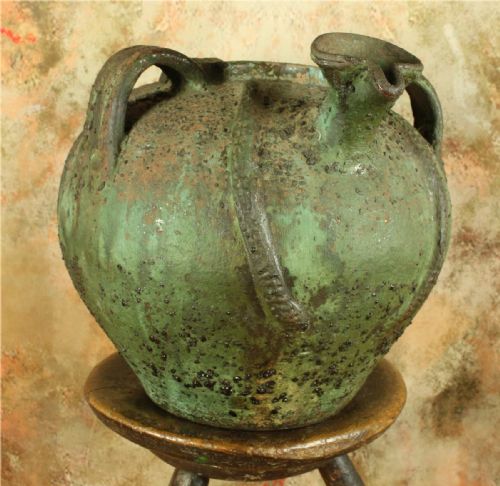
A green glazed jug encompasses a diverse range of historic ceramic vessels spanning from the seventeenth century through to the early twentieth century. These pieces appear in forms such as decorative ewers, water vessels, large olive jugs, and wash jug and bowl sets.
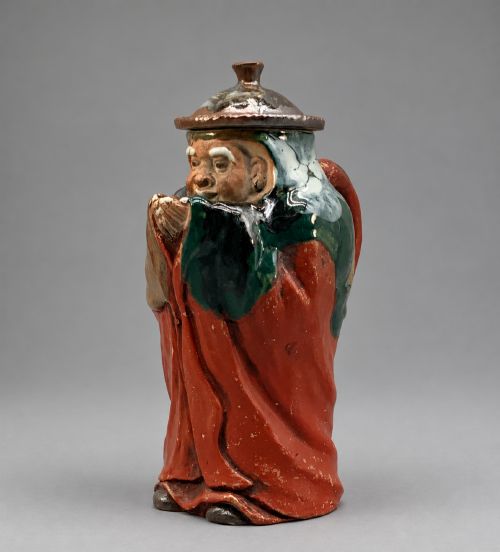
The selection on this page draws together various cultural origins, including English studio pottery, French country items, Japanese figural works, and Persian pieces. Buyers frequently encounter Victorian Doulton Lambeth productions alongside studio pottery and majolica water vessels.
Makers and potteries represented in the listings include Doulton, Minton, George Jones, and Sir Edmund Elton, reflecting significant nineteenth-century craftsmanship. Each green glazed jug serves either as a utilitarian item or a striking decorative object suited to traditional interiors.
Materials and construction
Makers utilised earthenware, stoneware, and general clay bodies as the primary foundation for these vessels, shaping them by hand or on the potter's wheel. The material determines the weight and density of the finished vessel, distinguishing heavier stoneware from more porous earthenware.
Potters applied coloured liquid glazes, including celadon glaze and specialised majolica formulations, directly to the ceramic body before firing. This surface treatment created the characteristic green coloration, ranging from translucent washes to thick, glossy finishes.
Green Glazed Jug Retail Price Guide 2026
Typical asking prices for green glazed jug among the pieces listed under this phrase on Sellingantiques today, from the lower quarter to the upper quarter. They describe what is for sale here now, not the wider market.
Listings feature earthenware, stoneware, and ceramic materials decorated with distinct glazes across periods spanning from the seventeenth century to the early twentieth century.
Markers of distinction
Quality in a green glazed jug depends heavily on the crispness of the moulded or modelled decoration, such as figural elements, bullrushes, and floral motifs. Master potters achieved sharper details and more complex surface textures than routine commercial workshops.
The depth, consistency, and stability of the glaze application separate ordinary utility items from superior studio or factory pieces. Even coverage and rich tone across complex forms demonstrate higher technical mastery during the kiln firing process.
Doulon Burslem·Doulton Lambeth·Sir Edmund Elton·Minton·George Jones
The Green Glazed Jug Glossary
- Earthenware
- A porous pottery body fired at lower temperatures, typically requiring a glaze to achieve watertightness. It serves as the base for many traditional jugs and majolica pieces.
- Stoneware
- A dense, vitrified ceramic fired at high temperatures until the clay body becomes non-porous. This material provides exceptional durability for heavy kitchen and storage vessels.
- Majolica
- A type of pottery decorated with colourful opaque lead glazes over a white tin-glaze ground. Victorian makers utilised this technique for highly ornamental water and dancing jugs.
- Celadon
- A pale green jade-like glaze originating from Asian ceramic traditions. It highlights subtle carved or moulded surface details on historical vessels.
- Ewer
- A large jug with a flared spout and an ornate handle, traditionally designed for pouring water at the table or during washing.
Green Glazed Jug: Frequently Asked Questions
What is a green glazed jug?
A green glazed jug is a ceramic vessel coated in a green vitreous finish, functioning historically as a pitcher, ewer, or washing container. These items range from simple country earthenware to elaborate Victorian majolica.
Collectors prize them for their vibrant surface colour and the diverse sculptural forms produced across different centuries and cultures.
How were these jugs used?
Many of these vessels served practical domestic roles such as pouring water, holding oil, or forming part of a bedroom wash jug and bowl set. Other pieces, particularly studio pottery and decorative ewers, were created primarily for display.
Their functional origins mean they often exhibit robust construction designed for daily household handling.
How do I identify the period?
Dating relies on stylistic clues like Art Nouveau curves, Victorian relief motifs, or specific manufacturer marks stamped into the clay body. Glaze characteristics and material types also point toward distinct eras such as the seventeenth century or the late Victorian period.
Examining the base of the vessel often reveals factory ciphers or artist signatures that narrow down the date of creation.
Can I use an antique jug for serving liquids?
While many historical jugs were built for holding water or oil, porous earthenware and older glazes require careful consideration before food use. Modern display is the safest approach for delicate studio pieces or majolica items with crazed surfaces.
Checking the interior for structural soundness and cleanliness helps determine if a vessel remains suitable for practical tasks.