
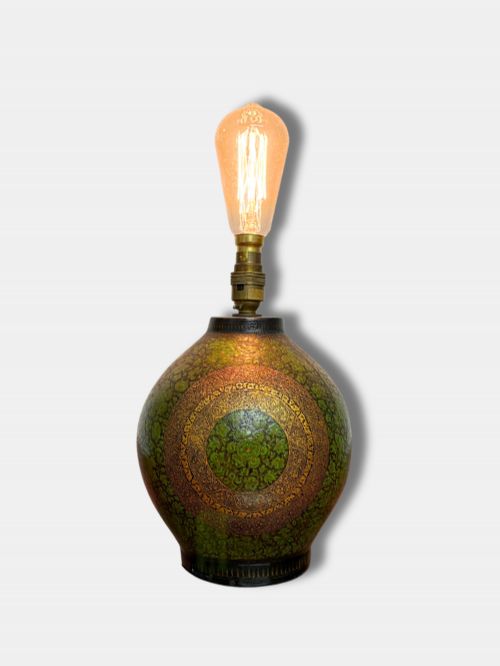
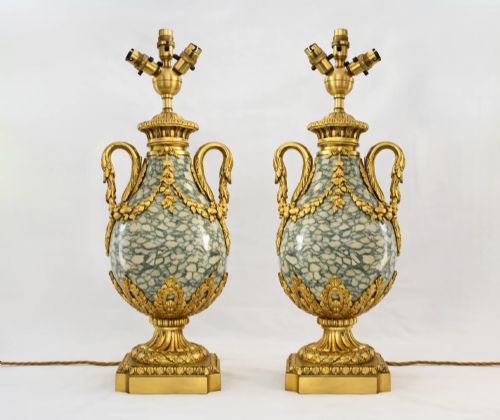


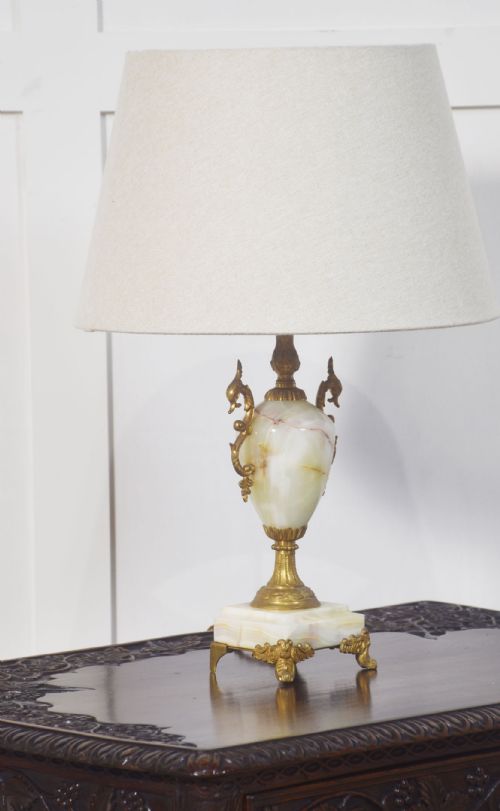

Green Gilt Table Lamp
A green gilt table lamp combines rich colour and gilded metal, bringing warmth and classic illumination to a room.
Green Gilt Table Lamp
A green gilt table lamp draws upon centuries of decorative lighting traditions, frequently emerging from French, Italian, and Asian workshops during the nineteenth and early twentieth centuries. When searching for this phrase, collectors encounter pieces transformed from earlier vases or purpose-built as elaborate desk and boudoir lighting.
Materials and construction
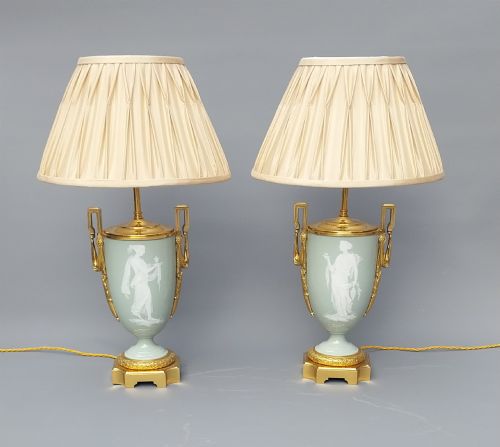
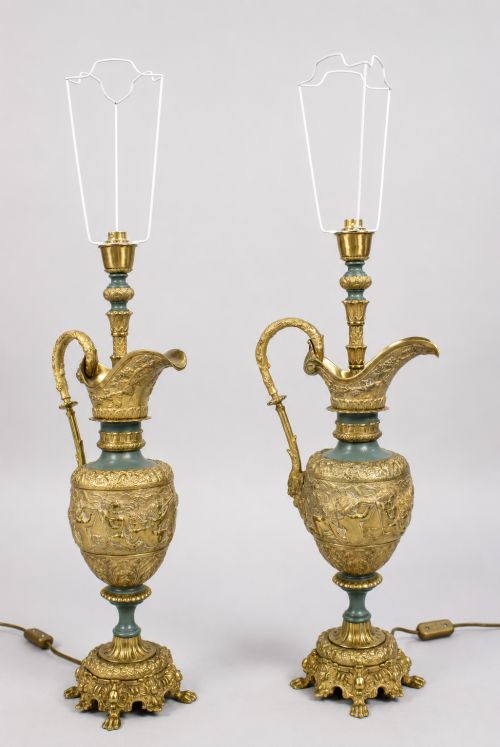
Makers utilised cast bronze, brass, and gilt metal to create intricate mounts, handles, and bases that frame the primary green elements of each body. Gilding techniques applied gold leaf or mercury gilt over bronze and brass, creating a lasting metallic brilliance that contrasts against painted toleware or polished stone.
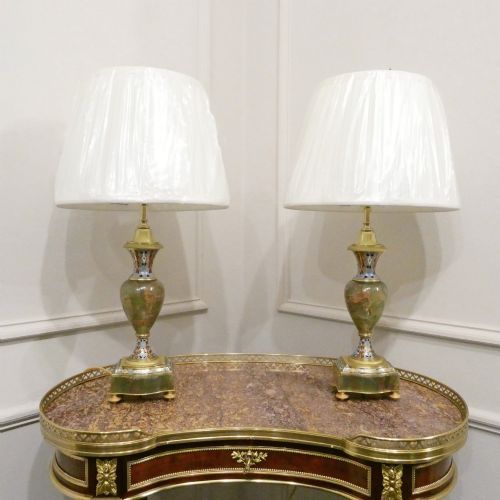
Stones such as marble and onyx provide heavy, stable footings, while porcelain and enamelled surfaces introduce painted green tones and delicate figural scenes. Metal parts were shaped through casting and chasing before being assembled with threaded rods and secured nuts.
Periods represented in these listings range across the nineteenth and twentieth centuries, including Victorian and Neoclassical styles.
Elements of quality
The crispness of the chasing on the gilt bronze or ormolu mounts distinguishes superior examples from simpler production, as sharper chisel work reveals deeper definition in leaf scrolls and classical motifs. Heavier gauge metals and genuine hand-carved marble or onyx bases indicate higher production standards.
The depth and preservation of the gilding and the hand-painted green pigments determine visual success, with worn finishes or crude repainting lowering the appeal. Original matched pairs carrying unified patination across both lamps command greater attention than mismatched assemblies.
The Green Gilt Table Lamp Glossary
- Ormolu
- A gilt bronze technique involving the application of a mercury and gold amalgam to cast bronze. This process creates a rich, enduring golden surface common on nineteenth-century mounts.
- Toleware
- Lacquered or painted sheet metal items, often rendered in deep green shades. It serves as a durable body material for desk and table lighting.
- Cassolette
- A decorative vessel shaped like a vase or urn, frequently adapted into a lamp base. These items often feature removable lids or mountings.
- Champlevé
- An enamelling technique where troughs are carved into a metal surface and filled with vitreous paste before firing. It adds colourful patterns to metallic components.
- Pâte-sur-pâte
- A ceramic decorating method where wet white porcelain slip is built up in layers upon a coloured background. This creates a low-relief cameo effect on porcelain lamp bodies.
Green Gilt Table Lamp: Frequently Asked Questions
Are these lamps newly wired?
Wiring standards vary significantly among antique lighting pieces found on the market, with many retaining older cords or requiring modern rewiring to meet current safety regulations.
Buyers should plan to have a qualified electrician inspect and update the electrical components before daily use in a modern home.
How do I clean the gilt metal?
Gilded surfaces require gentle dusting with a soft, dry cloth to prevent abrasion of the thin gold layer. Avoid chemical metal cleaners entirely, as harsh solvents will strip away the historic gilding.
What shades suit these lamps?
Fabric shades in neutral tones or matching green hues complement the metallic mounts and coloured bodies without overwhelming the design. Selecting a shade with an appropriate drop ensures the light diffuses evenly across the room.
How do I identify the period?
Dating relies upon examining the casting quality of the ormolu, the composition of the marble or onyx bases, and the style of any painted decoration. Nineteenth-century examples often display heavier cast mounts and hand-finished details compared to later reproductions.