

French Rococo Style Lamps
French rococo style lamps bring flamboyant asymmetry and fluid, organic curves into a room, combining rich metalwork with classical lighting forms.
French Rococo Style Lamps
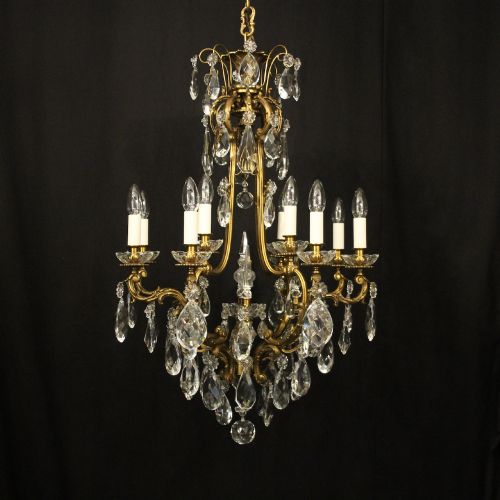
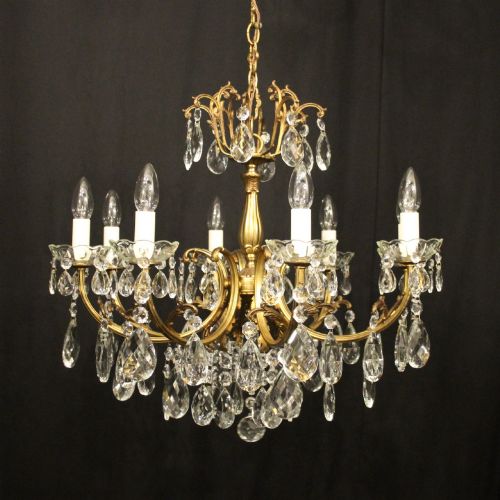
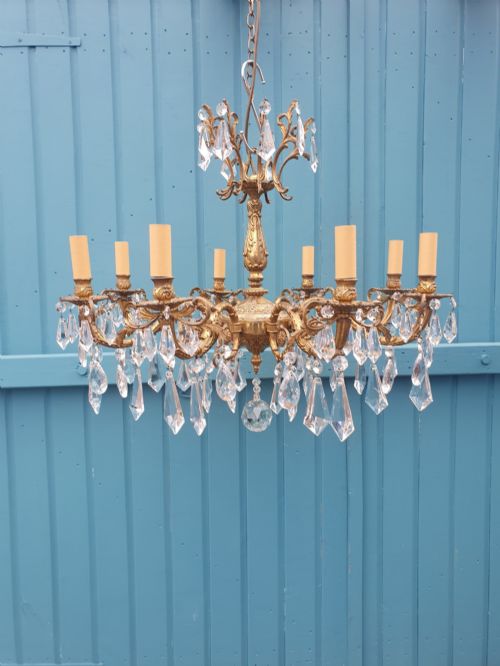
When buyers search for french rococo style lamps, they encounter decorative lighting fixtures rooted in nineteenth-century revivals of earlier court tastes. The selection spans table lamps, floor lamps, and converted bronze statuettes originating from periods between the late nineteenth century and the early decades of the twentieth century.
Makers and manufacturers during this span drew heavily on Louis XV design vocabulary, translating ornate scrollwork and naturalistic motifs into practical home illumination. These pieces often arrive paired, offering symmetrical elegance for mantelpieces, sideboards, or dedicated lamp tables.
Materials and construction methods
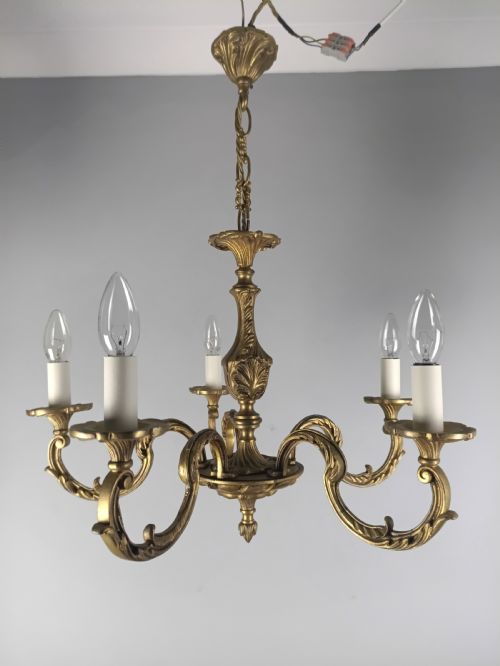
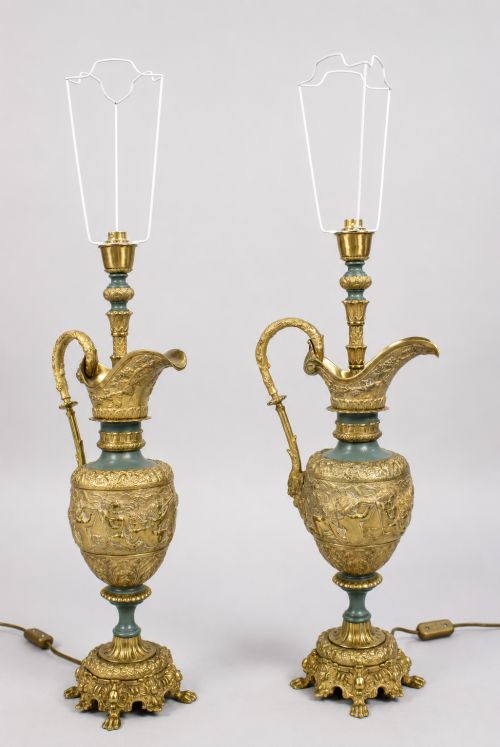
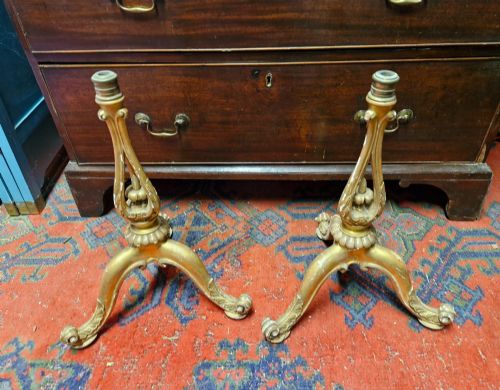
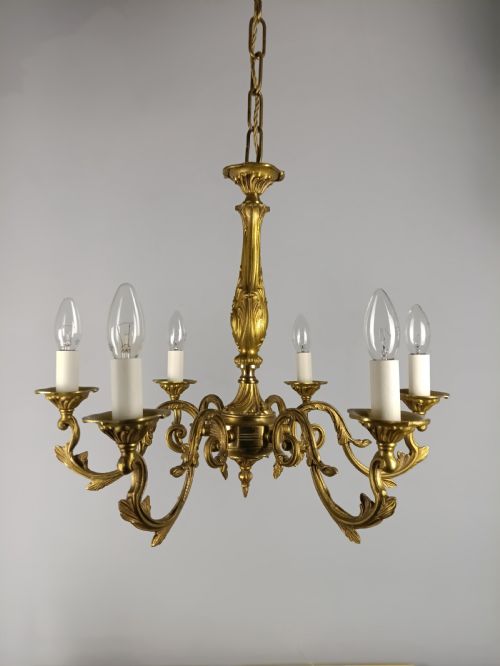
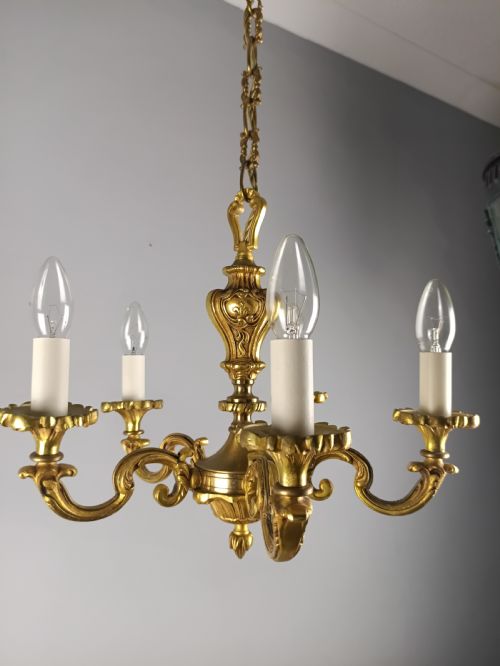
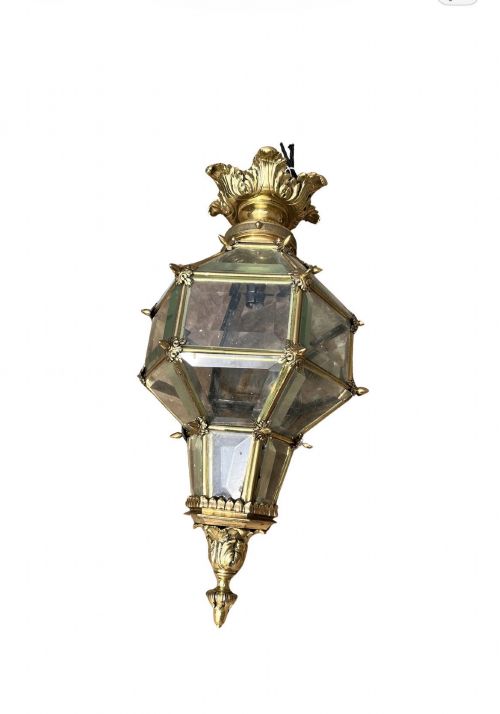
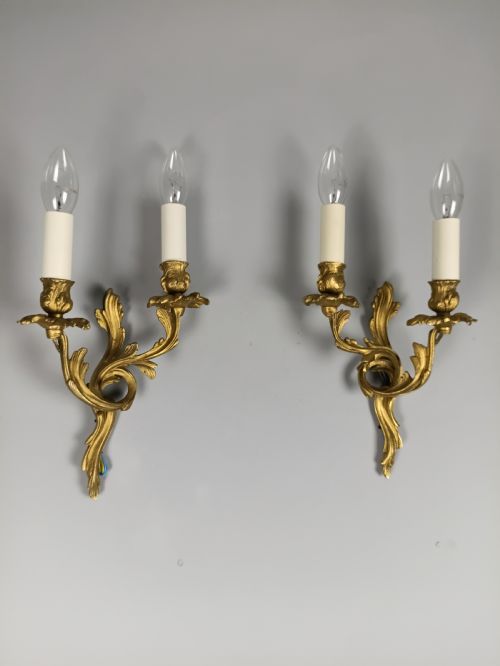
Craftsmen utilised cast and chased metals, predominantly brass, gilt bronze, and ormolu, to create the intricate, scrolling frames that define the aesthetic. Metal mounts were frequently combined with carved walnut, marble tops, and detailed fabric components to build substantial lamp bases and occasional furniture.
Foundries employed traditional casting techniques to achieve high relief detailing such as cherubs, foliage, and asymmetrical cartouches. Gilding and silver leaf were applied to metallic surfaces to enhance reflection and provide the opulent finish characteristic of the style.
Several pieces incorporate winged cherubs holding up light fittings, ensuring an angelic presence beside your bedside table.
Determinants of quality
The standard of a piece rests largely on the crispness of the metal casting and the depth of the subsequent chasing work. Superior examples display sharply defined facial expressions on figural mounts and cleanly articulated scrollwork without blurring or soft edges.
Material selection and assembly integrity also divide ordinary items from exceptional ones. Heavier gauge brass, genuine fire gilding or thick ormolu layers, and solid marble components indicate careful workshop production rather than mass commercial output.
Francois Linke
The French Rococo Style Lamps Glossary
- Ormolu
- Gilt bronze produced by applying a finely ground high-carat gold-mercury amalgam to a bronze object before firing. This technique creates a durable, warm metallic golden surface often seen on high-end nineteenth-century mounts.
- Louis XV Revival
- A nineteenth-century design movement that imitated the curved, asymmetrical, and nature-inspired ornamentation of the mid-eighteenth-century French court. It forms the stylistic backbone of most pieces encountered in this category.
- Chasing
- The manual metalworking process of refining a cast metal surface using hammers and small punches to sharpen details and add texture. Fine chasing separates masterwork castings from basic production pieces.
- Ewer
- A large jug with a wide spout traditionally used for water, which nineteenth-century lamp makers frequently adapted into sculptural table lamp bases.
French Rococo Style Lamps: Frequently Asked Questions
What periods do these lamps come from?
The pieces originate primarily from the Victorian era, the nineteenth century, and the early twentieth century up to the 1930s. Makers during these decades frequently drew on earlier French decorative movements.
Items span various revival phases, reflecting prolonged public appetite for ornate, historically inspired interior decoration.
How do I style a lamp table?
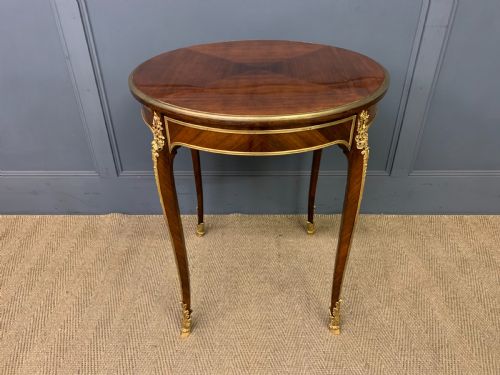
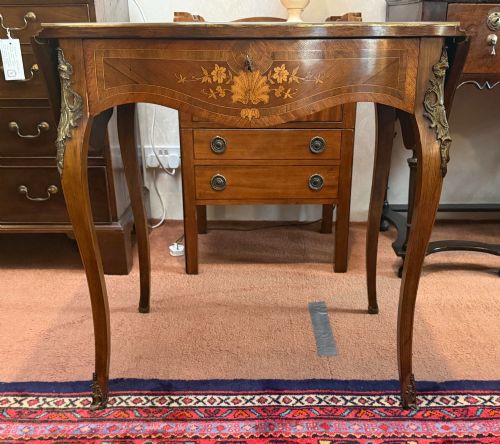
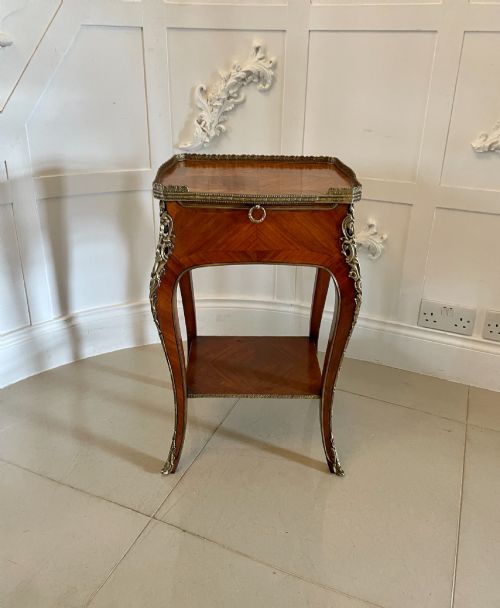
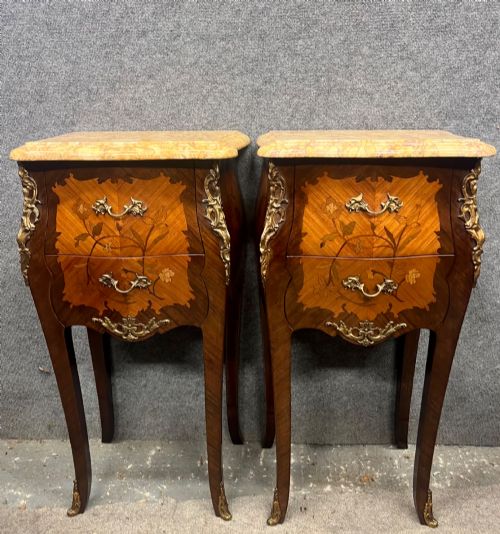
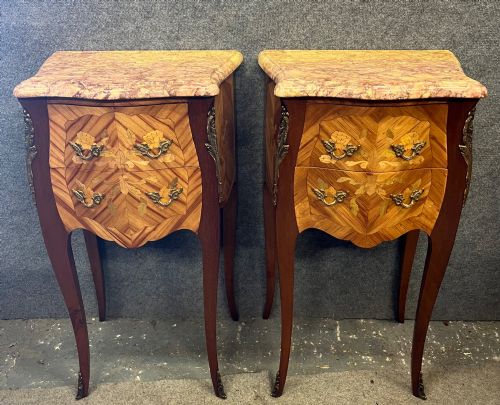
Lamp tables in walnut, kingwood, or mahogany work well beside seating areas or beds when paired with matching lighting. They provide a stable surface for bronze or gilt-metal bases.
Keeping surrounding decor relatively simple allows the intricate marquetry and mounted metal details of the table to remain the visual focus.
Are these lamps converted from older items?
Some lighting options begin life as bronze statuettes or oil lamps before undergoing later conversion into electric table lamps. This practice preserves sculptural metalwork by adapting it for modern utility.
Converted items retain their original nineteenth-century casting quality while integrating contemporary wiring standards for daily home use.
How do I distinguish Louis XV revival pieces?
Revival items feature typical eighteenth-century motifs such as C-scrolls, acanthus leaves, floral garlands, and distinct asymmetry. They utilise materials like gilt brass, ormolu, and figured walnut common to nineteenth-century workshops.
Construction methods and metal patination generally point to the Victorian or Edwardian periods rather than the original mid-eighteenth-century reign.