



Classical Style Table Lamp
These pieces are classical style table lamps, bringing stately proportion and historical warmth to a room.
Classical Style Table Lamp
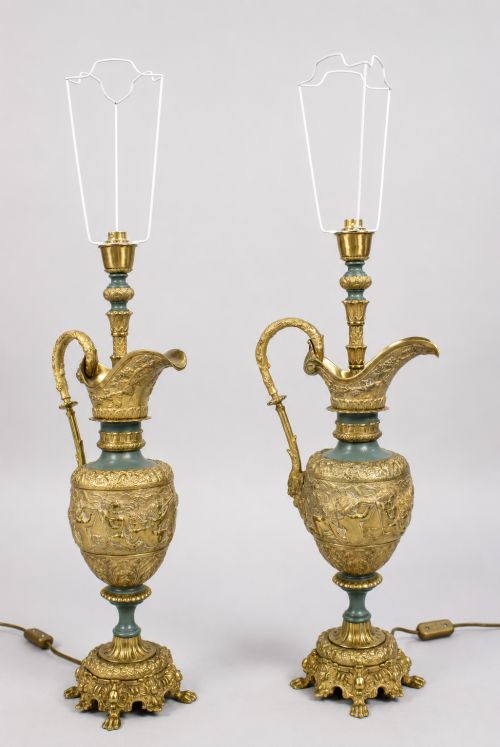
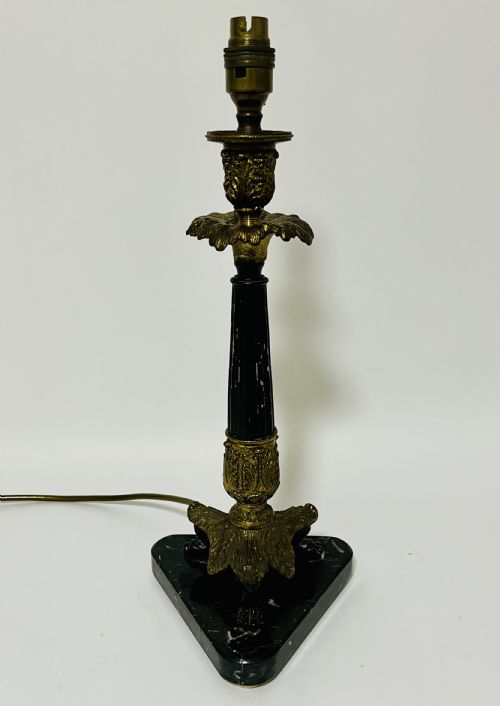
A classical style table lamp draws on architectural orders, ancient motifs and historical periods such as the Victorian era, Regency and the various French reigns. When searching for a classical style table lamp, buyers encounter pieces fashioned from converted oil lamps, candelabra, cassolettes and candlesticks.
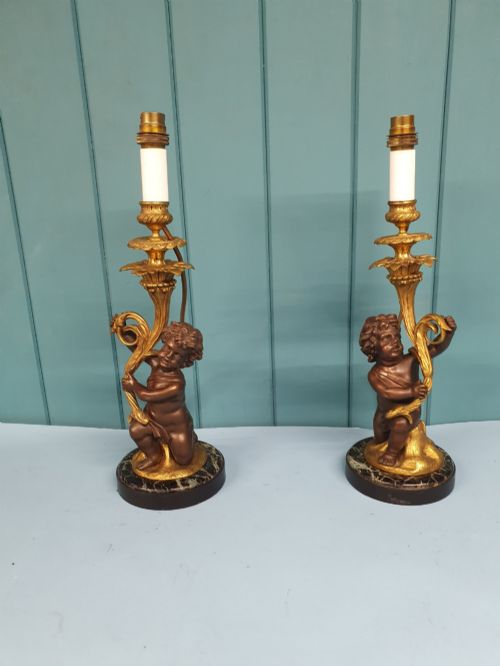
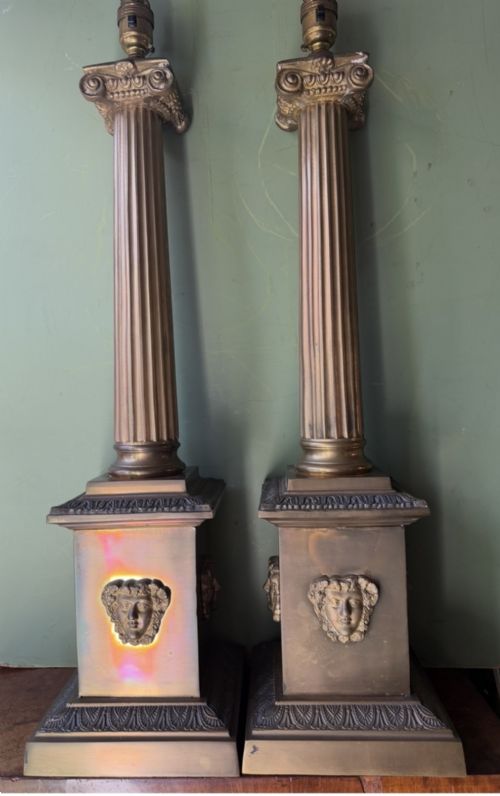
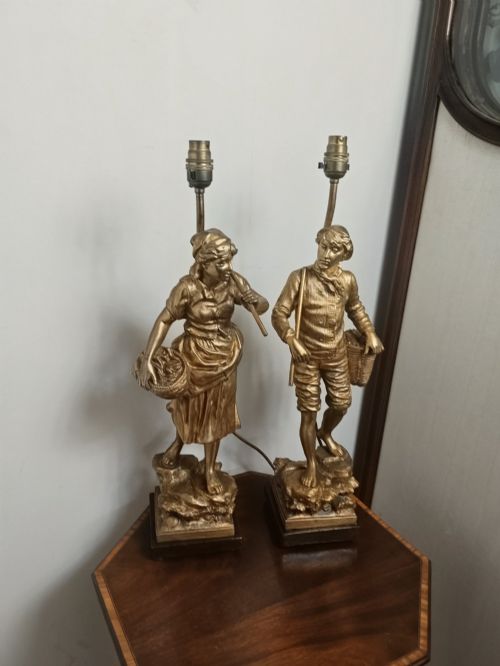
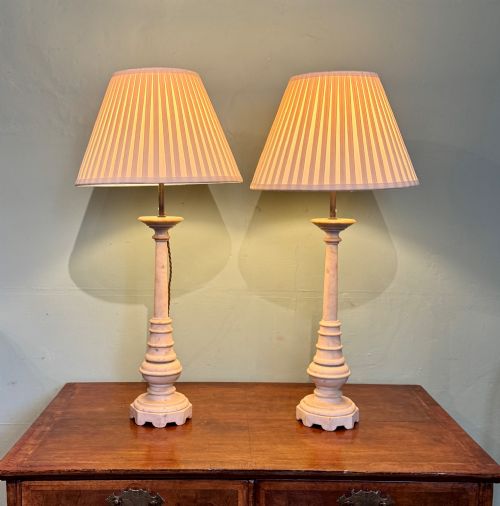
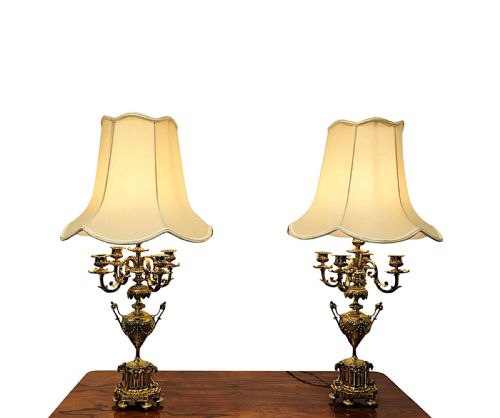
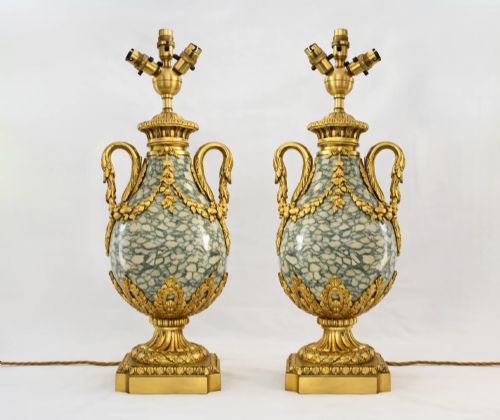
The selection ranges across the nineteenth century and into the early twentieth century, taking forms like Corinthian columns, ewer shapes, figural bronzes and urns. Many examples appear as pairs, reflecting their origins as garnitures or mantel ornaments before conversion to illumination.
How They Were Made
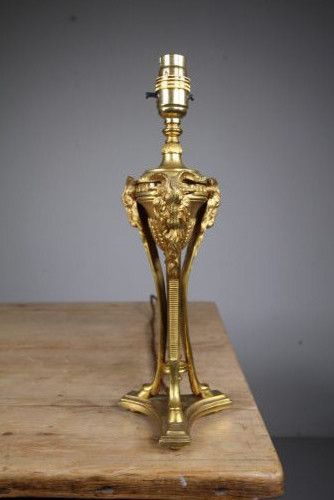
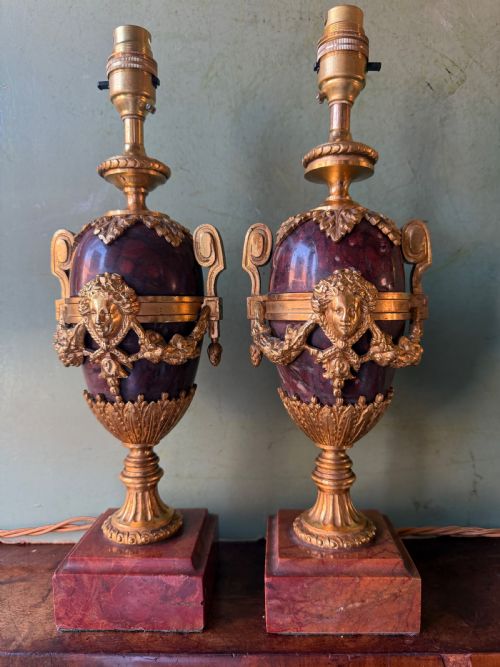
Craftsmen utilised cast metals including bronze, brass, ormolu and gilt metal, frequently mounting them upon white or rouge marble bases. Structural components often involved turning, chasing and fire gilding to achieve crisp relief on acanthus leaves, rams' heads and classical drapery.
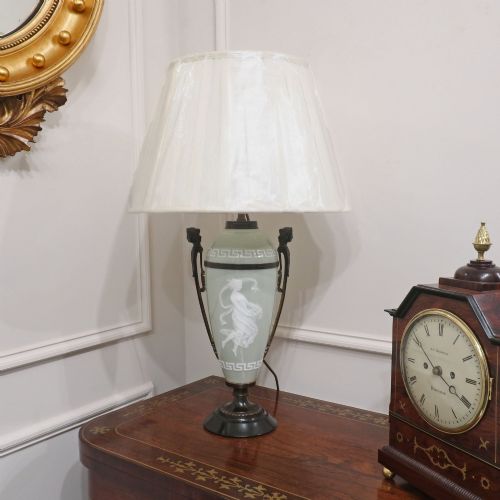
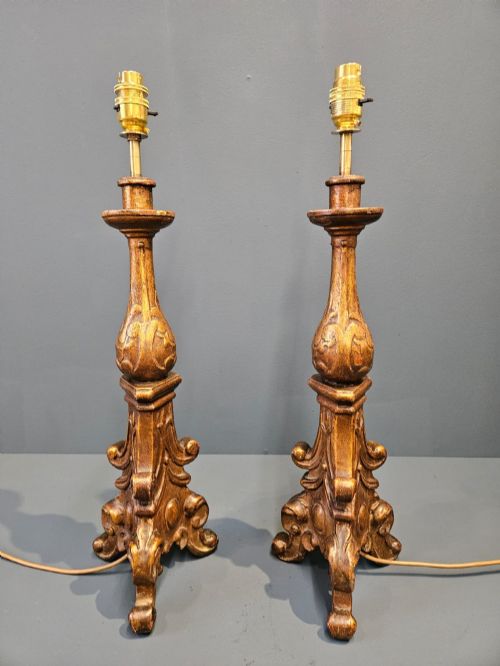
Other variants incorporate carved timber, giltwood, porcelain with pate sur pate decoration, and tailored fabric or silk shades. Converted pieces integrate electrical fittings discreetly into older oil lamp fonts or candelabra stems.
Several lamps began life as ancient oil burners, altar candlesticks or French mantel garnitures before someone decided they deserved to hold a lightbulb instead.
What Varies in Quality
Proportion and balance define the superior examples, ensuring the column, urn or figural base relates harmoniously to the scale of the shade. Original mounts, patination untouched by over-cleaning, and symmetrical pairs command greater regard than married components.
E Rousseau·Messenger
The Classical Style Table Lamp Glossary
- Ormolu
- Gilded bronze, where a finely ground gold-mercury amalgam is applied to cast bronze and heated. This technique creates a durable, warm metallic lustre characteristic of fine French and English lighting.
- Pate sur pate
- A ceramic decorating method where successive layers of white slip are painted onto a coloured clay body to build up a low-relief cameo effect. It appears on select porcelain lamp bodies.
- Cassolette
- A decorative vessel shaped like a vase or urn, often featuring a reversible lid that functions as either a solid cover or a burner. In lighting, these form ornate classical lamp bases.
- Gueridon
- A small occasional table, sometimes adapted into lamp tables or rendered in miniature as decorative stands. They frequently display French Empire or neoclassical styling.
- Corinthian column
- An architectural order featuring an ornate capital decorated with carved acanthus leaves and scrolls. This form is common in brass and silver-plated table lamp standards.
Classical Style Table Lamp: Frequently Asked Questions
What periods do these lamps come from?
The pieces span the nineteenth century and the early decades of the twentieth century. They encompass Victorian production alongside French Neoclassical, Louis XVI and Empire revivals.
Maker adaptations and later conversions often blend nineteenth-century bodies with early twentieth-century electrical wiring. Stylistic markers help assign them to these historical windows.
How were old oil lamps converted?
Original oil lamps, candelabra and candlesticks were adapted for electricity by running wiring through the central burner or column. Old fonts and sockets were replaced with lamp holders while retaining the original metalwork.
This method preserves the antique base, marble plinth and decorative mounts intact. Many pieces show the natural evolution from fuel-burning lighting to domestic electricity.
Are these lamps usually sold as pairs?
Many listings feature matching pairs because the underlying objects originated as garniture sets, mantel ornaments or matching candlesticks. These sets provide symmetry for sideboards, pedestals and bedside tables.
Single lamp bases also appear, having survived independently or originated as singular column standards and figures.
What materials are most common?
Brass and bronze dominate the construction, frequently paired with white or rouge marble bases and ormolu mounts. Gilt metal, porcelain, carved timber and fabric shades also feature across the inventory.
These heavy, durable materials give the lamps stability and reflect nineteenth-century interior tastes.