




Green Garden Landscape
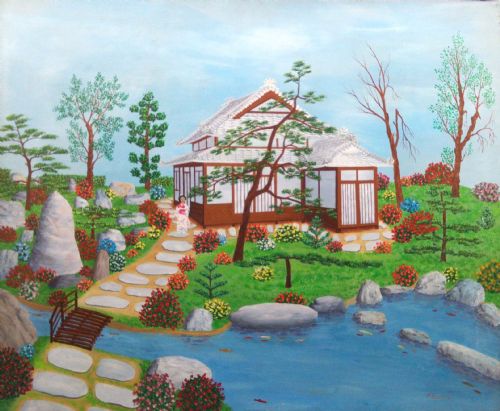
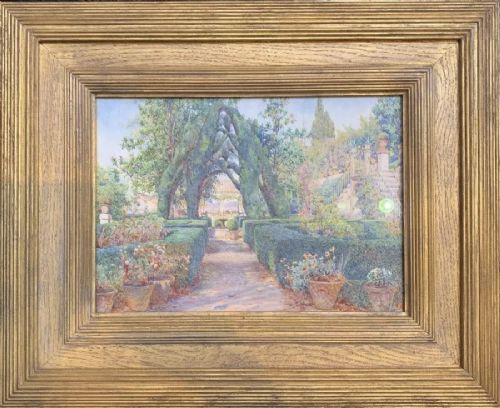
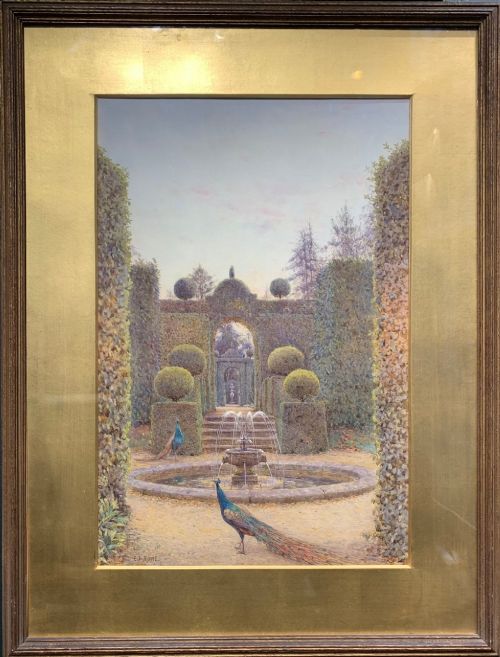
A green garden landscape captures the verdant charm of cultivated grounds through the delicate washes of watercolour and the rich texture of oil paint.
Green Garden Landscape
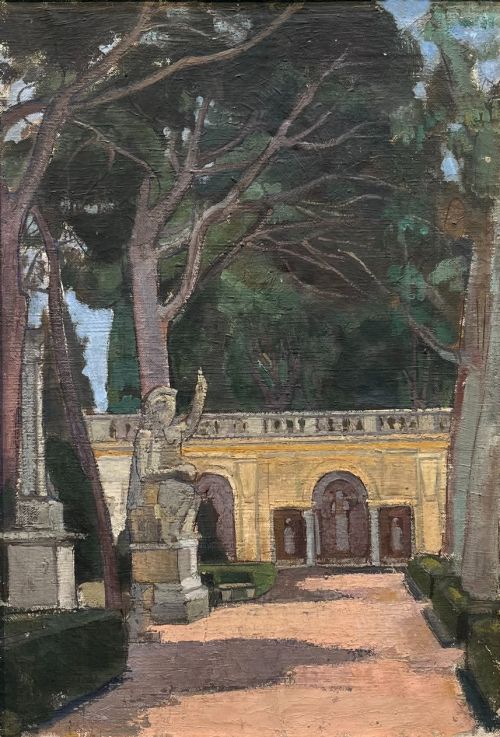
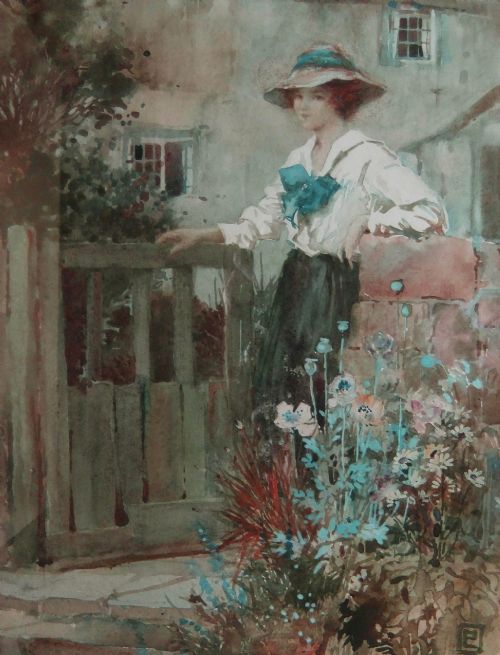
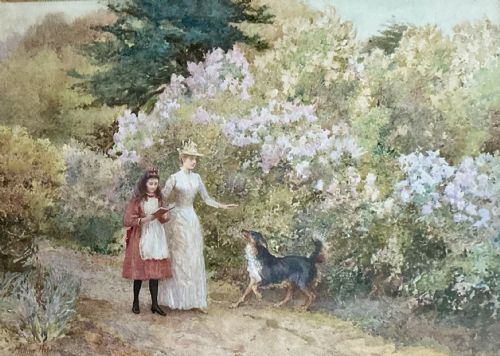
When you search for a green garden landscape, you encounter framed fine art paintings depicting cultivated plots, floral pathways, and country house grounds. The version you are most likely to meet on this page is a watercolour painting or an oil painting created during the late nineteenth century or the early twentieth century.
These works span various British movements including Edwardian Pastoral and British Impressionism, alongside naive art and Victorian rural genre scenes. Painters focused their attention on cottage gardens, walled estates, and sunlit paths, rendering botanical growth with distinct regional character.
The assortment includes views ranging from Somerset and Yorkshire to continental vistas in Rome, Granada, and Paris. Each piece preserves a specific horticultural setting through the lens of traditional painting practices.
Materials and Technique
Artists utilised watercolour pigment applied to paper, or oil paint layered upon canvas and wood panels, to achieve depth in foliage and light. These foundational supports were often protected behind glass within period frames.
Techniques varied from the fluid, transparent washes characteristic of traditional watercolours to the heavier impasto and visible brushwork seen in impressionist oil paintings.
Listings feature works from the nineteenth century through the 1950s, executed in watercolour, oil, and tapestry.
Assessing Quality
Quality rests upon the artist's ability to command light and atmosphere within a botanical setting, distinguishing a flat record from a piece with genuine depth. Hand-mixed pigments and assured brushstrokes separate proficient works from pedestrian efforts.
The handling of architectural elements, such as cottage gates or stone walls, relative to the surrounding greenery dictates the overall coherence of the composition.
Ernest Arthur Rowe·Percy Lancaster·Harry Wanless·Arthur Hopkins·Theresa Stannard·Owen Bowen·Ernest Higgins Rigg·Kershaw Schofield·Lilian Stannard·Charles E Cundall·John Henry Inskip·William Hatherell·David Woodlock·Arthur Claude Strachan·John Abernethy Lynas-Gray·Thomas Nicholson Tyndale·Lester Sutcliffe·Henry John Sylvester Stannard·Benjamin D. Sigmund·Beatrice Parsons·Edgar Bundy·Hermoine Hammond·George Frederick Nicholls·William Greaves·Fred Merriman
The Green Garden Landscape Glossary
- Watercolour pigment
- A colourant ground with a water-soluble binder, used on paper to create transparent washes of tone. It allows for luminous effects particularly suited to open-air garden scenes.
- Oil paint
- A slow-drying medium consisting of pigments suspended in oil, applied to canvas or wood. This substance permits thick application and subtle blending of green hues.
- Impressionism
- A style of painting emphasising small, thin brush strokes and accurate depiction of light. Practitioners of this method sought to capture the transient visual conditions of outdoor gardens.
- Verdure tapestry
- A wall hanging featuring a stylized landscape dominated by green foliage and plants. Such textiles provide historical context for woven depictions of nature.
Green Garden Landscape: Frequently Asked Questions
What is a green garden landscape?
A green garden landscape is a painted artwork depicting cultivated outdoor spaces, flowers, and foliage, created primarily during the Victorian and Edwardian eras.
These works record historical planting styles and domestic architecture through traditional mediums like watercolour and oil.
How were these paintings displayed?
Most works are framed behind glass to protect the paper or canvas supports from environmental damage.
Period frames often match the artistic movement of the painting, preserving the original presentation.
How do I identify a watercolour from an oil painting?
Watercolours utilise transparent pigment on paper, showing the texture of the sheet beneath thin washes of green and floral colour.
Oil paintings feature thicker paint layers applied to canvas or wood, offering a heavier texture and visible brush relief.
What subjects appear alongside gardens?
Artists frequently included domestic elements such as thatched cottages, gates, garden seats, and figures engaged in daily rural tasks.
These details ground the botanical scenery in a narrative of domestic life during the nineteenth and early twentieth centuries.