








Green Framed Botanical Prints
Green framed botanical prints bring the precision of natural history illustration directly onto the wall inside simple wooden surrounds.
Green Framed Botanical Prints
Green framed botanical prints encompass detailed studies of plants, flowers, and birds produced across the eighteenth, nineteenth, and twentieth centuries. The selection on this page relies heavily on nineteenth century natural history works, Victorian naturalism, and English regional pieces.
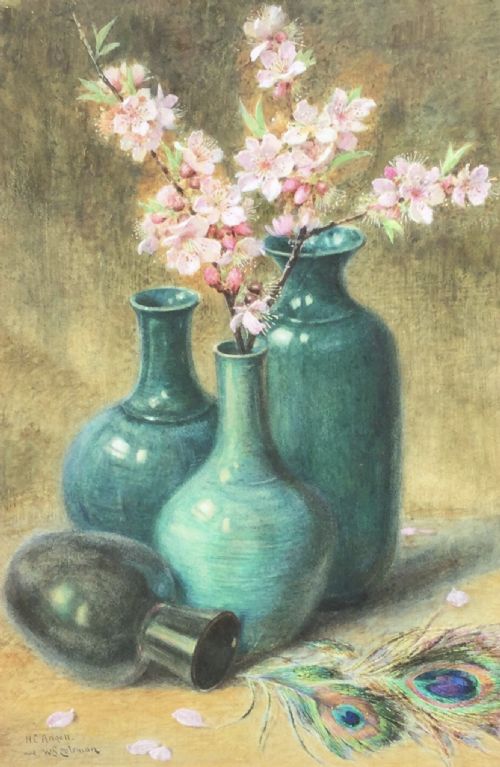
The subjects range from single stem primroses and Michaelmas daisies to complex compositions featuring insects alongside plants and exotic birds. Buyers searching for green framed botanical prints will find engravings, lithographs, and original watercolours housed uniformly within green timber mouldings.
How they were made
The underlying works are executed on paper using watercolour, gouache, ink, and pencil, alongside hand-coloured engravings and lithographs printed from metal plates or stones. Skilled artists applied pigment by hand to printed outlines, ensuring each study possesses unique tonal variations.
The surrounding frames are constructed from wood, frequently finished with paint or gilt detailing to complement the botanical subject matter within. Glass protects the delicate paper surfaces from dust and environmental moisture.
Green Framed Botanical Prints Retail Price Guide 2026
Typical asking prices for green framed botanical prints among the pieces listed under this phrase on Sellingantiques today, from the lower quarter to the upper quarter. They describe what is for sale here now, not the wider market.
Several parrots gaze out sternly from their frames, apparently unimpressed by the adjacent display of apples and grapes.
What varies in quality
Quality rests primarily upon the precision of the draughtsmanship and the fidelity of the hand-colouring applied to the paper. Finer examples display meticulous attention to botanical accuracy, capturing the precise venation of leaves and the delicate plumage of birds.
The depth of pigment and the condition of the paper surface further distinguish superior pieces from standard examples. Original watercolours and gouache works command greater attention than mass-produced reproductions due to the direct touch of the artist's hand.
John Curtis·Georg Wolfgang Knorr·William Swainson·John Sherrin·Lilian Stannard·Helen Cordelia Angell·Wiliam Stephen Coleman·George Lance·George Dionysius Ehert
The Green Framed Botanical Prints Glossary
- Engraving
- A printmaking process where an artist cuts lines into a metal plate to hold ink. The resulting image is transferred under pressure onto paper.
- Lithography
- A planographic printing method based on the repulsion of oil and water. Artists draw upon stone or metal plates to create multiple impressions.
- Gouache
- An opaque water-based paint containing pigment and a binding agent. It provides dense, flat areas of colour in botanical and ornithological studies.
- Hand-coloured
- A finished monochrome print enhanced with watercolour applied by brush. This technique added realism to published natural history plates.
Green Framed Botanical Prints: Frequently Asked Questions
How do I hang botanical prints safely?
Hang these pieces away from direct sunlight to prevent the watercolour pigments and paper from fading over time. Use appropriate wall fixings that match the weight of the timber frames and glass.
Ensure the wall space remains stable in temperature and humidity to protect the paper substrate from warping or foxing. Grouping multiple studies together creates a balanced gallery display along a hallway or living room wall.
Are these prints original period works?
The selections span the eighteenth, nineteenth, and twentieth centuries, incorporating genuine engravings, lithographs, and hand-painted watercolours from those eras. Each piece reflects the printing and painting techniques standard to its specific decade of origin.
Examining the paper texture and the application of ink helps confirm the historical context of individual items. The framing choices often complement the traditional aesthetic of the enclosed artwork.
What subjects appear in these frames?
The imagery focuses predominantly on natural history, featuring detailed studies of flora, fruit, and birds. Common botanical subjects include primroses, apples, grapes, and Michaelmas daisies alongside exotic parrots and ornithological specimens.
Some plates incorporate insects and plants together to provide a complete ecological vignette. These varied compositions reflect historical scientific pursuits as well as decorative interior tastes.
How do I clean the glass and frames?
Wipe the glass gently with a soft cloth slightly dampened with water or standard glass cleaner. Avoid spraying liquid directly onto the frame edge to prevent moisture seeping beneath the glass.
Dust the wooden frame regularly with a dry cloth to maintain the painted or gilt surface finish. Take care not to apply pressure to the glass centre when dusting.