



Green Floral Wall Art
Green floral wall art brings nature indoors through painted botanicals and woven textiles that transform plain walls.
Green Floral Wall Art
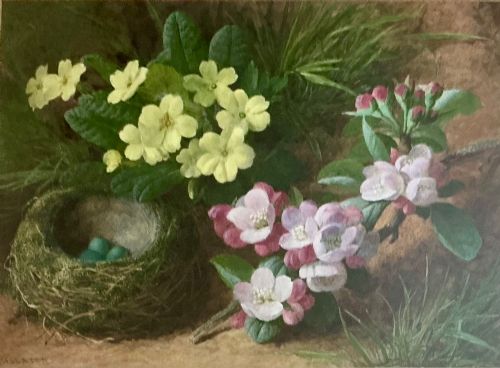
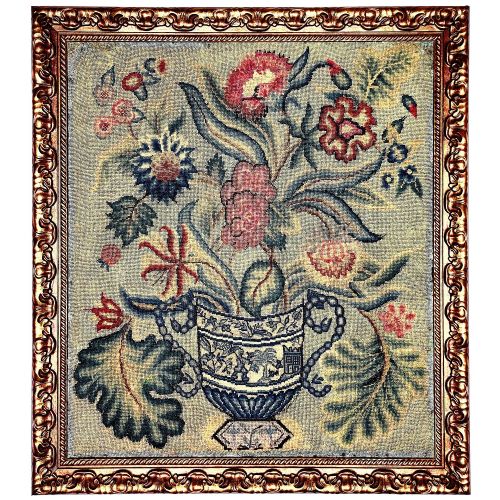
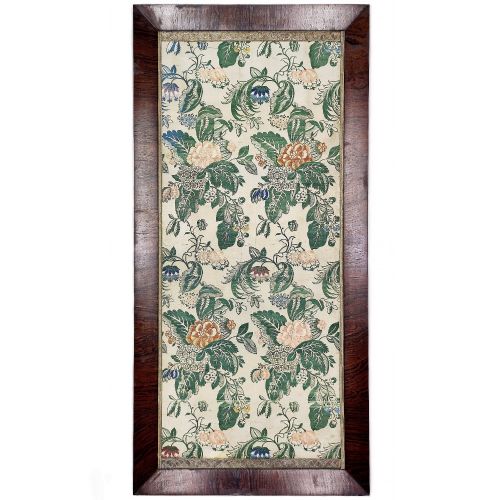
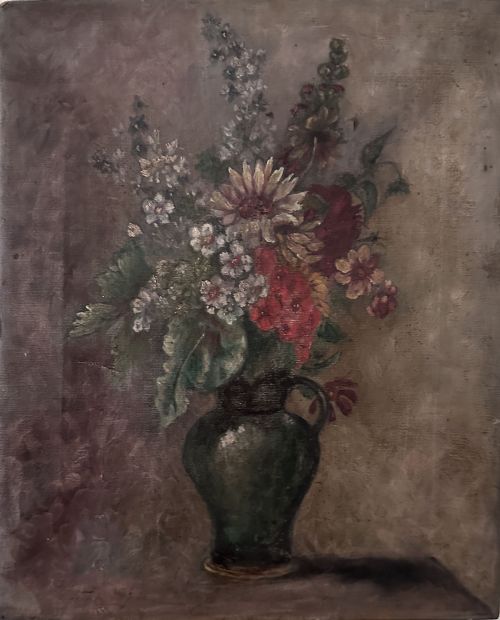
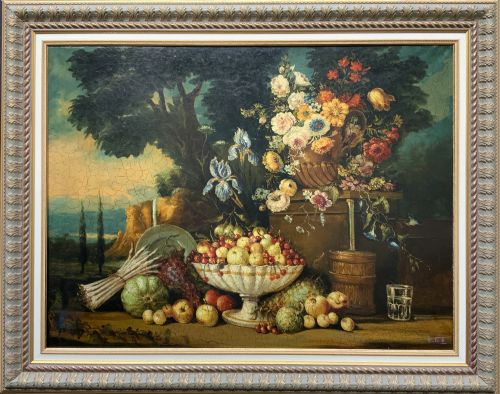
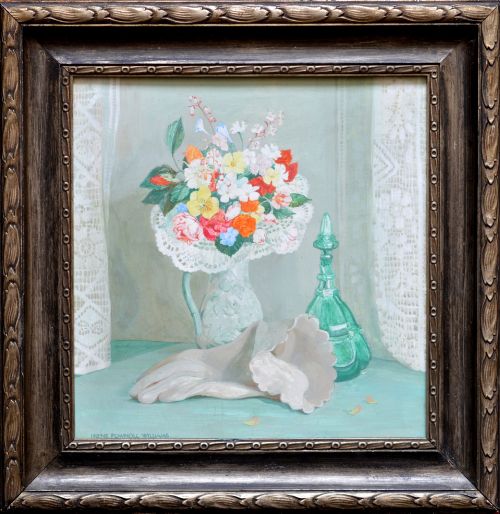
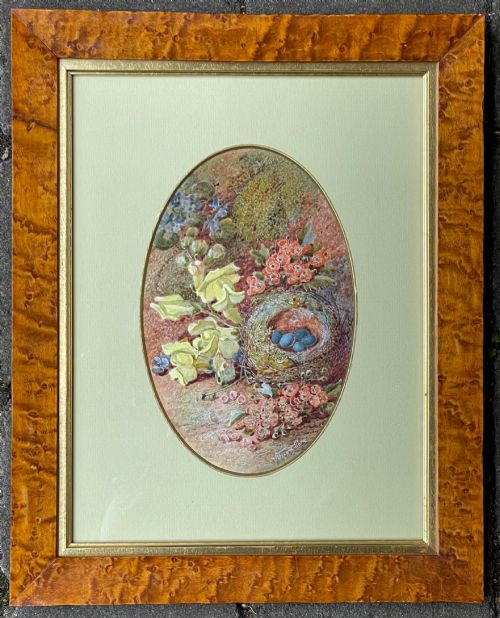
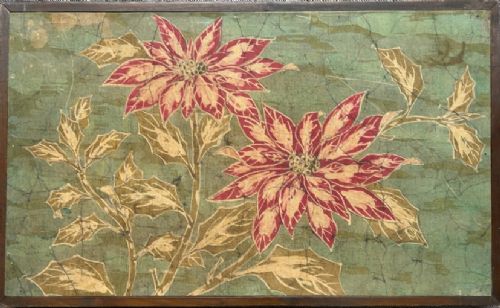
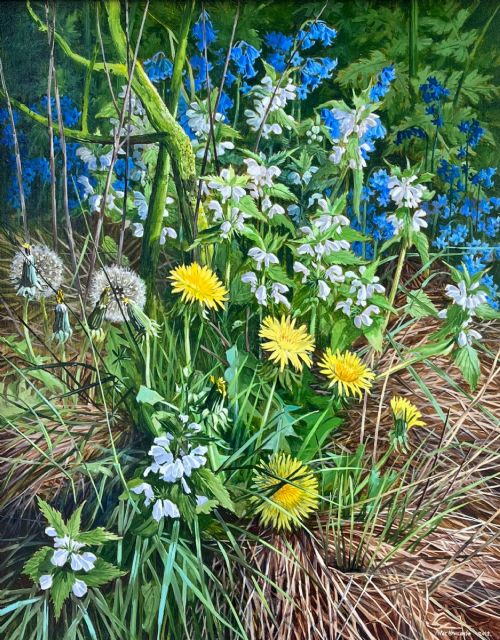
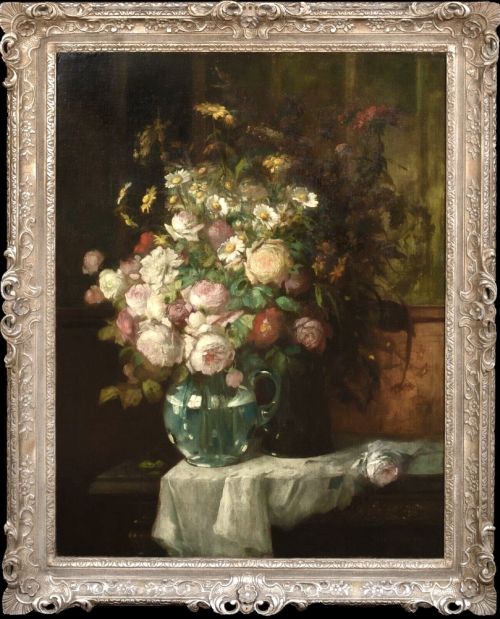
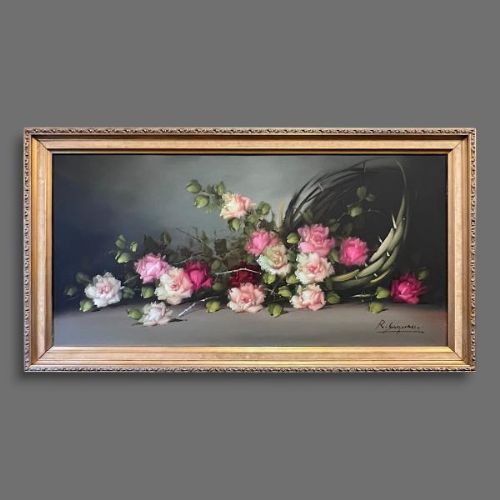
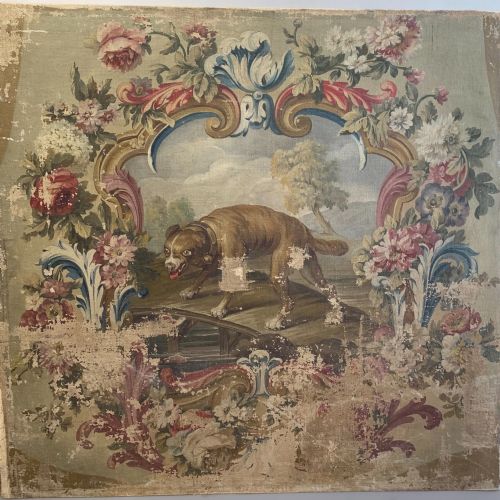
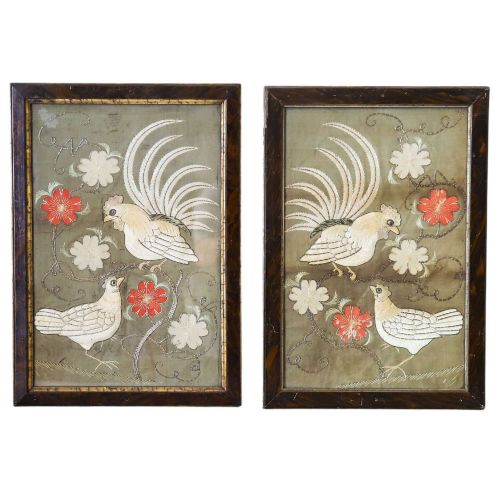
When searching for green floral wall art, buyers encounter a diverse selection ranging from Victorian botanical watercolours to mid-century oil paintings and large European tapestries. These works capture foliage and blooms using canvas, paper, silk, and wood as their primary mediums.
The objects span multiple centuries, with Victorian studies and early twentieth-century still lifes appearing alongside large decorative wall hangings and mid-century abstract botanical panels. Each piece integrates botanical subjects into interior decoration through various painting and textile techniques.
Materials and Techniques
Artists and makers built these works using traditional supports such as canvas, wood panels, and heavyweight paper, applying oil paint, watercolour, gouache, and tempera to render botanical details. Textile pieces utilise wool, silk, and canvas executed through embroidery, needlework, and weaving techniques.
Framing and mounting methods vary, incorporating wooden panels, faux tortoiseshell frames, and stretcher bars to support both delicate works on paper and large-scale hanging tapestries.
Green Floral Wall Art Retail Price Guide 2026
Typical asking prices for green floral wall art among the pieces listed under this phrase on Sellingantiques today, from the lower quarter to the upper quarter. They describe what is for sale here now, not the wider market.
Listings feature works from the sixteenth century through to the mid-twentieth century, utilising canvas, paper, silk, and wool.
Assessing Quality
Quality rests in the precision of the botanical rendering, the depth of the colour palette, and the condition of the underlying canvas, paper, or textile. Stronger examples display confident brushwork or intricate needlecraft that preserves the vitality of the plant forms.
The integrity of the material support and the authenticity of period frames also distinguish finer works from standard decorative pieces, influencing how successfully the artwork holds its visual impact.
Vincent Clare·Konstantin Stoitzner·Owen Bowen·James Tower·Henry Schouten
The Green Floral Wall Art Glossary
- Still life
- A painting or drawing depicting inanimate subject matter, typically everyday objects such as flowers, fruit, or vessels.
- Verdure tapestry
- A European wall hanging woven with a dominant landscape or foliage motif, often featuring trees, leaves, and green tones.
- Watercolour
- A paint consisting of pigment suspended in a water-soluble vehicle, traditionally applied to paper surfaces.
- Tempera
- A permanent, fast-drying painting medium consisting of coloured pigment mixed with a water-soluble binder material.
- Needlework
- Decorative sewing and textile art created using a needle to apply yarn or thread to a fabric ground.
Green Floral Wall Art: Frequently Asked Questions
How do I hang large wall tapestries?
Large tapestries require even weight distribution across a sturdy wooden batten or hidden metal rod to prevent stretching the historic fabric.
Securing the piece directly to wall studs ensures safe display for heavy wool or silk wall hangings.
Where should I place floral oil paintings?
Floral paintings benefit from indirect natural light that highlights the pigments without fading the canvas or paper over time.
Avoid positioning these artworks in rooms with excessive moisture or direct sunlight to protect the historic paint layers.
How do I identify a Victorian botanical study?
Victorian studies often combine watercolour, gouache, and pencil on paper, frequently featuring meticulous attention to plant anatomy and insect life.
Signatures, framing styles, and paper watermarks help confirm the nineteenth-century origin of botanical works.
What is a verdure wall hanging?
Verdure wall hangings are European textiles woven primarily with green foliage, woodland scenes, and botanical motifs designed for interior insulation and decoration.
These large panels reflect centuries-old weaving traditions originating from workshops in France, Flanders, and Germany.