
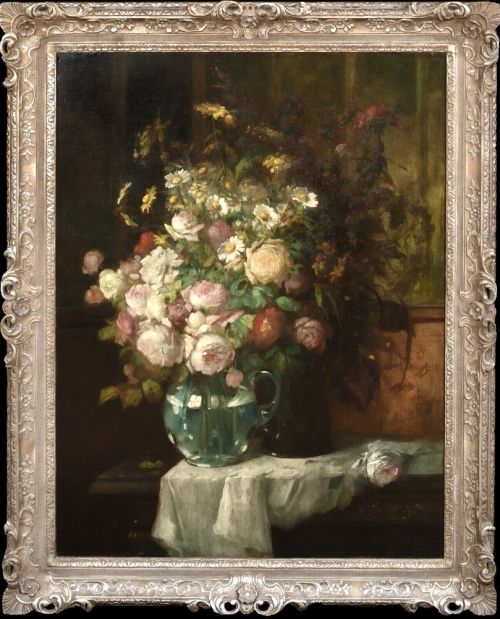
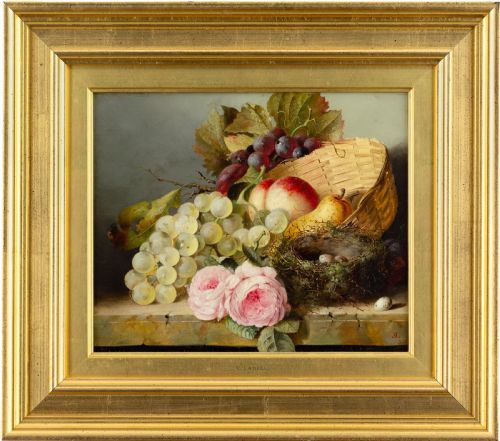
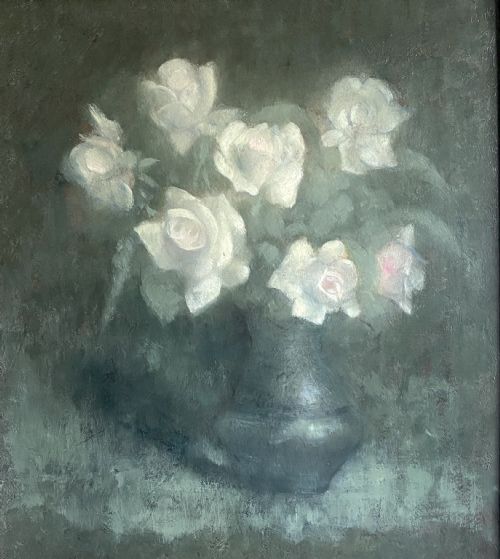
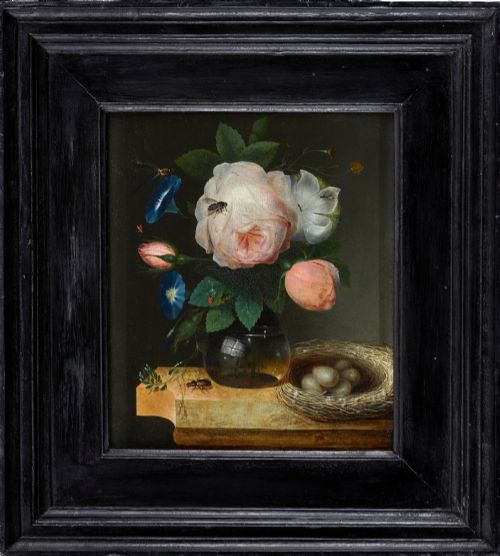
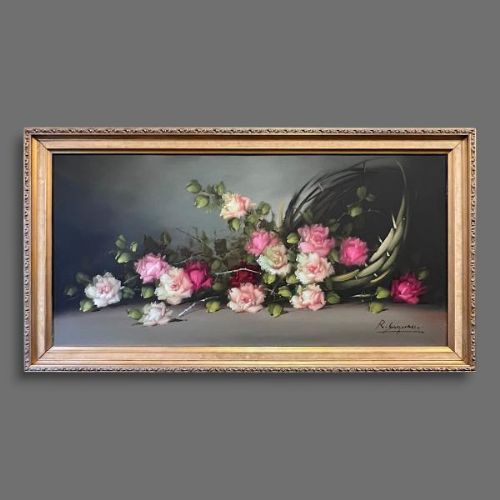
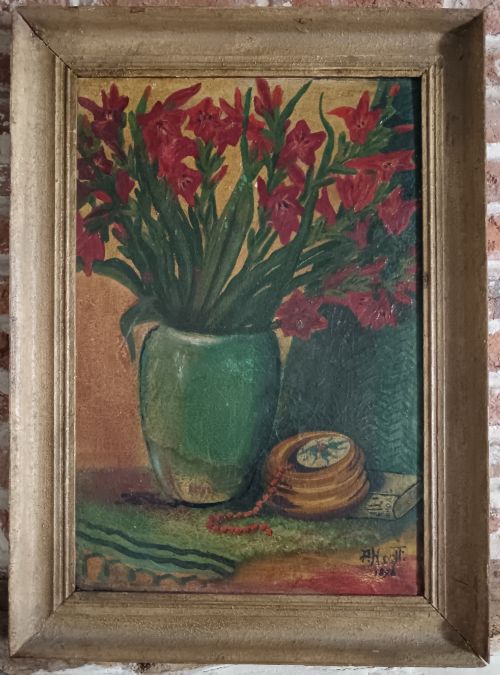


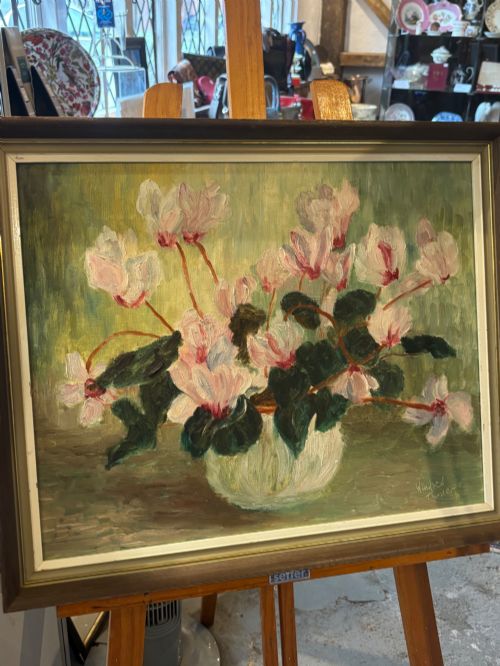


Green Floral Still Life
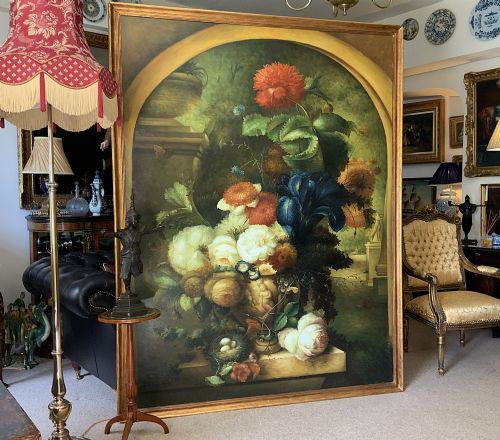
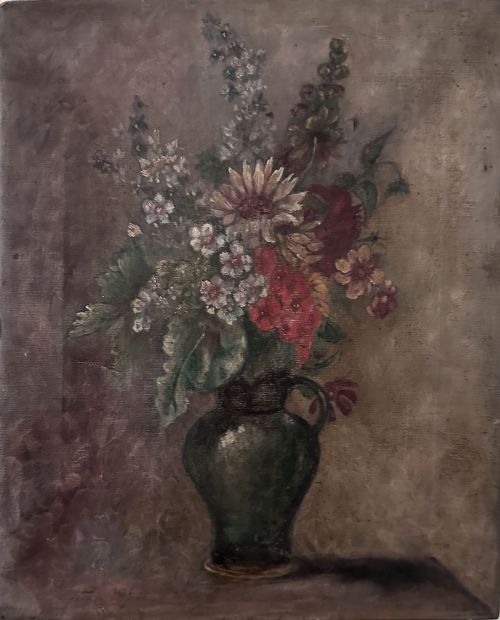
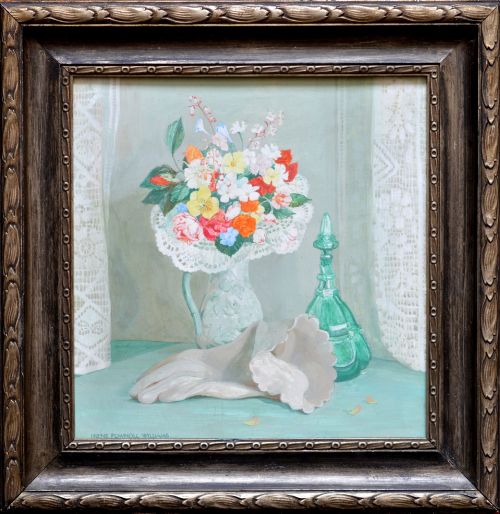
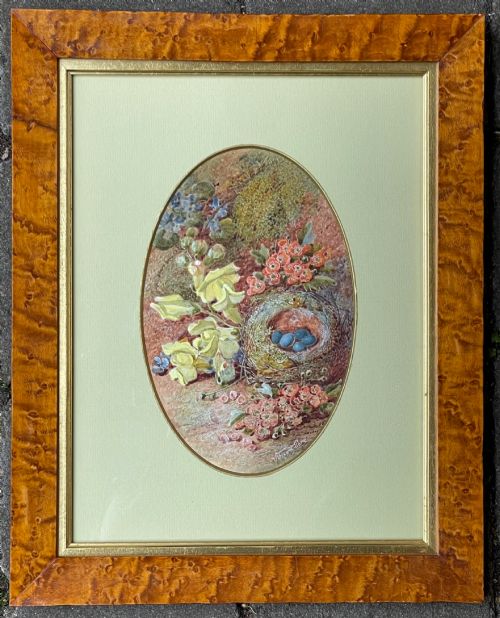
These green floral still life paintings capture botanical forms across centuries, offering enduring visual focus for a room.
Green Floral Still Life
A green floral still life depicts botanical subjects with prominent foliage, vessels, and natural settings rendered across various historic periods. Buyers encounter oil paintings, watercolours, and gouache works ranging from Victorian naturalism to mid-century modern interpretations. The selection includes works on canvas, panel, paper, and board, alongside painted decorative objects.
The available works span the nineteenth century through the mid-twentieth century, recording evolving artistic approaches to plant studies. Traditional nineteenth-century compositions sit alongside later works showing impressionist and lightly cubist tendencies. These pieces typically present framed works suited for wall display, alongside occasional decorative pieces.
Origin points range across British, French, and Austrian hands, reflecting diverse European traditions in botanical painting. Painters document specific seasonal flowers, roses, and chestnut leaves using distinct regional palettes and painting techniques. This variety provides collectors with multiple interpretations of the same enduring domestic subject.
Materials and technique
Artists built these works primarily using oil paint on canvas, board, or wood panels, applying pigments to create depth and texture. Watercolour and gouache on paper appear frequently in the earlier selections, offering a lighter handling of floral subjects. Support materials like gold leaf and painted leather also form part of the physical construction of specific decorative items.
Makers employed traditional brushes and palette knives to render botanical details, working from observed arrangements in jugs, vases, and baskets. Panel and canvas supports received ground layers before the application of oil colours to secure the pigment over time. Watercolour works utilised paper grounds, capturing translucent washes of colour within secure framing.
Frames of wood often complete the construction, housing the canvas or paper supports safely within domestic display settings. Decorative items integrate painted surfaces directly onto metal toleware or prepared leather screens. These physical layers define the durability and visual texture of each piece.
Subjects extend beyond conventional vases to incorporate wicker baskets, bird's nests, and mossy banks.
Judging quality
Quality rests upon the artist's ability to render light, shadow, and botanical structure with convincing depth across the composition. Stronger examples display confident brushwork in the depiction of leaf structures, petals, and glass vessels. Weaker pieces rely on rigid outlines and flat application of colour without tonal variation.
The handling of the background and surrounding elements separates standard studies from accomplished fine art paintings. Superior works integrate the floral subject cohesively with tables, draped cloths, or natural mossy banks. Less successful examples treat the background as an afterthought rather than a structural component of the scene.
Condition of the physical support and pigment layer influences the integrity of the surviving artwork. Works retaining their original untouched surfaces and stable canvas tension demonstrate higher preservation standards. Intricate detailing in secondary elements like wicker baskets or bird nests indicates the maker's technical capability.
Irene Christobelle Pownoll Williams·Vincent Clare·Konstantin Stoitzner·Edward Ladell·Gaspar Peeter Verbruggen·Owen Bowen·James Tower·Winifred Turner·Henrietta Creswell·Paul Lelong·William Hough·Horst·Henry Schouten·L Wilford·Emily Selinger·John Sherrin·Helen Cordelia Angell·Wiliam Stephen Coleman·Jules Felix Ragot
The Green Floral Still Life Glossary
- Canvas
- A heavy woven fabric stretched across a wooden frame to serve as a support for oil painting. It provides a textured surface that holds thick layers of pigment.
- Gouache
- An opaque water-based paint that dries to a matte finish, allowing for dense colour application on paper. It differs from watercolour through its chalky opacity.
- Tempera
- A permanent fast-drying painting medium consisting of coloured pigment mixed with a water-soluble binder such as egg yolk. It produces a durable, flat surface when applied to wooden panels.
- Trompe l'oeil
- An art technique involving extremely realistic imagery in order to create the optical illusion that the depicted objects exist in three dimensions. It translates to deceive the eye.
- Toledware
- Metalware, typically iron or steel, coated with tin and finished with japanned or painted lacquer decorations. It appears on decorative stands and household objects.
Green Floral Still Life: Frequently Asked Questions
What periods do these paintings come from?
The available selection spans from the seventeenth century through to the mid-twentieth century. Most examples cluster within the nineteenth and early twentieth centuries.
Victorian naturalism and mid-century modern styles represent distinct periods within the current gathering. Each era brings specific framing and painting conventions to the botanical subject.
How were these artworks displayed historically?
Owners typically hung these oil paintings and watercolours on domestic interior walls to bring natural motifs indoors. Framed pieces served as focal points in reception rooms and parlours.
Some decorative pieces functioned as functional items or room dividers, such as painted leather screens and toleware stands. These objects combined utility with floral artistry.
What is a still life painting?
A still life is a work depicting inanimate subject matter, typically commonplace objects which may be either natural or man-made. In these examples, the focus centres on flowers, foliage, and vessels.
Artists arrange these botanical elements in vases, jugs, or baskets to study light, colour, and composition. The genre prioritises careful observation of physical form.
How do watercolours differ from oil paintings here?
Watercolours utilise water-soluble pigments on paper supports, producing translucent washes of colour. They are typically presented under glass within protective frames.
Oil paintings use pigments bound in drying oils on canvas, wood, or board. They offer heavier impasto textures and greater durability without requiring glass protection.
Who painted these floral scenes?
Named artists from British, French, and Austrian traditions created these works across different centuries. Notable painters include Edward Ladell, Owen Bowen, and William Hough.
Other works are attributed to regional practitioners and continental European painters working within established naturalism and impressionist traditions.