


Large Botanical Oil Painting
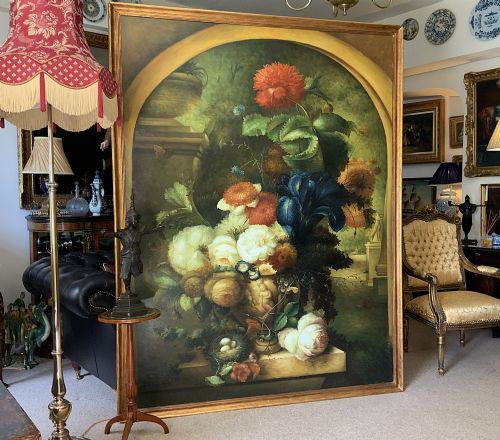
A large botanical oil painting brings centuries of floral study into a room, offering commanding scale and rich pigment.
Large Botanical Oil Painting
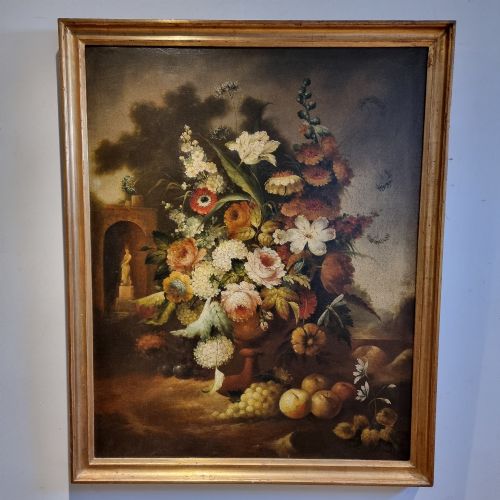
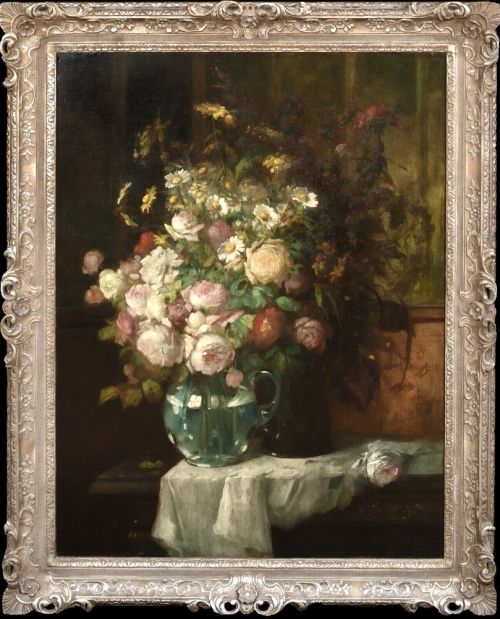
When you search for a large botanical oil painting, you encounter works executed on canvas or painted panels that showcase floral subjects. These canvases range from 19th-century interpretations to mid-century impressionist compositions.
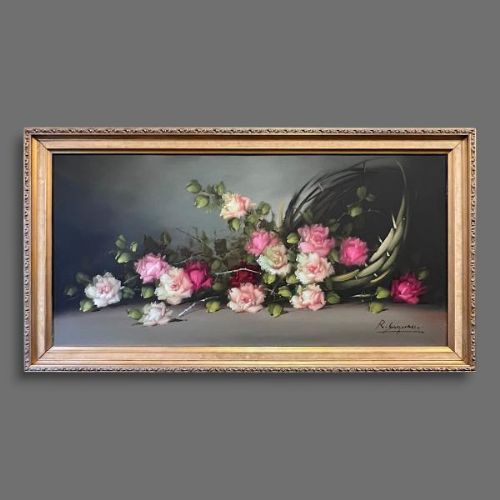
The pieces on this page lean heavily toward 19th-century works and mid-century impressions, alongside pieces adopting an 18th-century revival style. Many of these paintings present floral displays, from Dutch floral still lifes to roses spilling from baskets.
Origin points span several regions, including Austria and Belgium, alongside Dutch Master traditions. You find works framed in gilt wood, gilded wood, and standard wood surrounds that complete the piece.
How they were made
Artists applied oil paint to stretched canvas or painted wooden panels, building up texture and depth within the petals and leaves. This medium allowed painters to capture the tonal shifts of natural flora.
Frames play a structural and aesthetic role, constructed from wood and frequently finished with giltwood or gilded treatments. These frames match the grand scale of the canvases they enclose.
Roses spilling from wicker baskets and lilac flowers at doorways remain eternal favourites for artists refusing to let summer end.
What varies in quality
The handling of light and brushwork separates a compelling impressionist study from a standard decorative canvas. Skilled application gives flowers and foliage a convincing sense of volume and movement.
The integration between the canvas and its housing matters greatly, as original or period-appropriate gilt wood frames enhance the visual weight of the artwork. The clarity of the artist's signature and the preservation of the oil paint also influence the overall standard.
Konstantin Stoitzner·Amile Coppieters
The Large Botanical Oil Painting Glossary
- Oil on Canvas
- Pigment mixed with drying oil applied to a woven fabric support. This combination provides durability and a flexible surface that holds rich colour.
- Giltwood
- Wood carved and covered with a thin layer of gold leaf or metal powder. This finish adds bright reflectivity around the painted canvas.
- Impressionism
- A style of painting emphasising immediate visual impressions through unblended brushstrokes and natural light. It appears across 19th-century and mid-century works.
- Still Life
- A work depicting inanimate subject matter, typically commonplace objects or natural items such as cut flowers. These compositions allow artists to focus on colour harmony and texture.
- Painted Panel
- A rigid wooden board used as a painting support instead of fabric. Panels offer a firm surface for detailed oil application.
Large Botanical Oil Painting: Frequently Asked Questions
How do I hang a large botanical oil painting safely?
These sizeable canvases require robust wall anchors and picture wire rated well above the weight of the work and its wooden frame. Secure the hanging hardware directly into wall studs where possible to support the combined heft of canvas and giltwood.
Position the painting away from direct sunlight and heat sources to protect the oil paint and canvas substrate from warping or fading over time. Ensure the wall space allows the piece sufficient room to dominate the field of vision.
What is a Dutch Master style floral painting?
This style draws on the tradition of 17th-century Netherlands artists who painted elaborate floral arrangements against dark backgrounds. The approach emphasises botanical accuracy combined with dramatic contrast between light and shadow.
In later revivals, artists replicated this dense, layered composition of mixed blooms to create an air of formal abundance. The works often feature cascading flowers spilling from urns or baskets.
How do I clean a vintage oil painting?
Dust accumulation on the canvas surface should be removed very gently with a soft, dry brush without applying pressure. Avoid using water, household cleaners, or moisture on the painted surface.
Professional conservators should handle deeper cleaning or removal of aged varnish layers. Touching the oil paint directly risks altering the pigment layers applied by the artist.
How can I tell a mid-century impressionist piece apart from a 19th-century one?
Nineteenth-century works often adhere to tighter academic realism or traditional tonal blending, whereas mid-century impressionism relies on looser, more expressive brushwork. The handling of the floral subject provides immediate clues to the execution era.
Framing materials and canvas preparation techniques also offer dating evidence. Mid-century panels and stretchers frequently display 20th-century workshop stamps or modern fixings.