



Green Floral Artwork
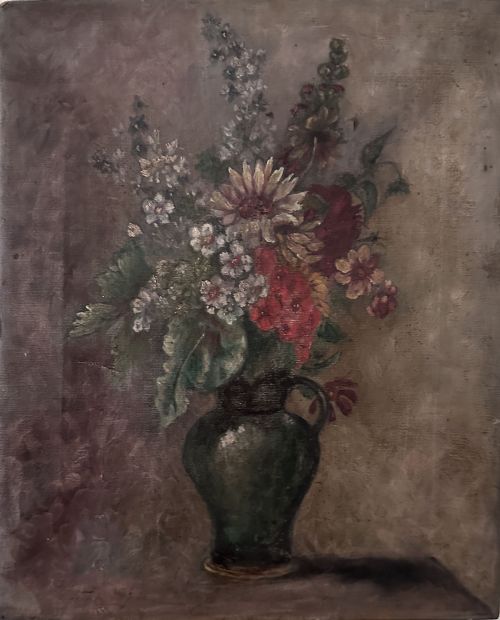
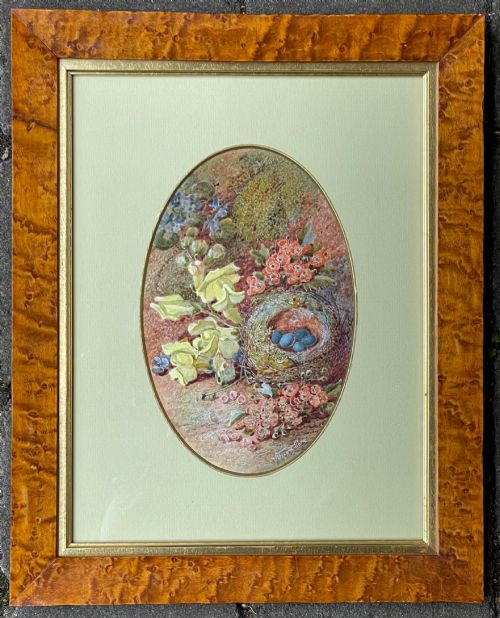
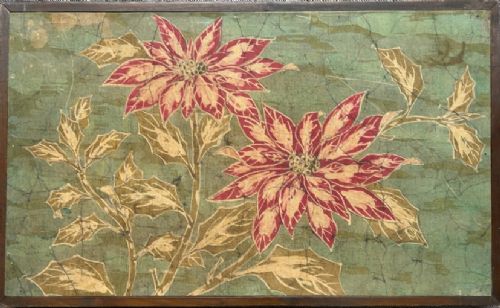
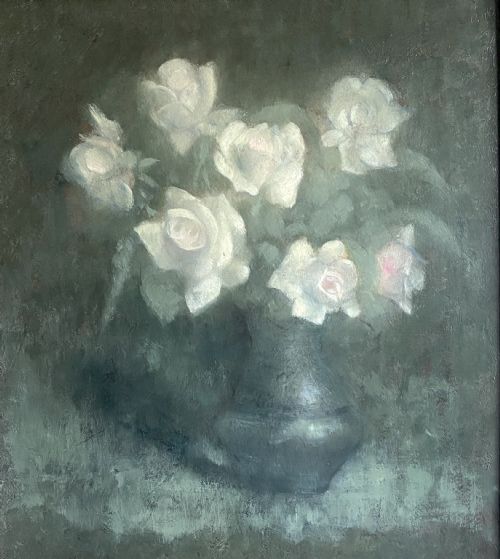
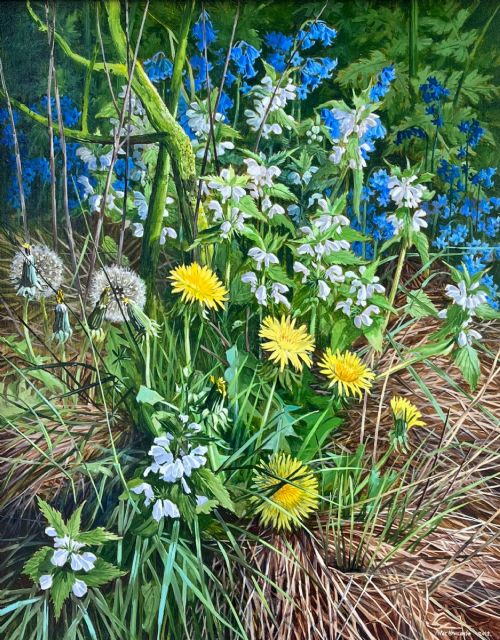
Green floral artwork brings botanical studies, garden scenes and floral still lifes from past centuries directly into modern rooms.
Green Floral Artwork
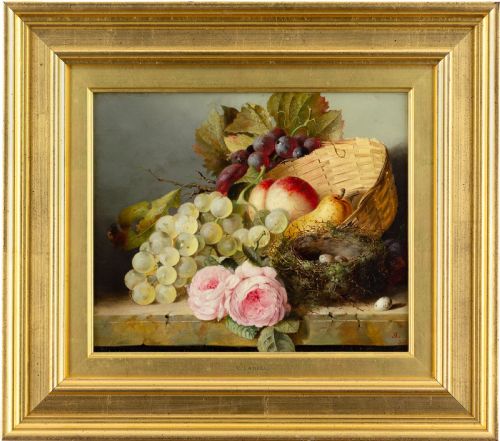
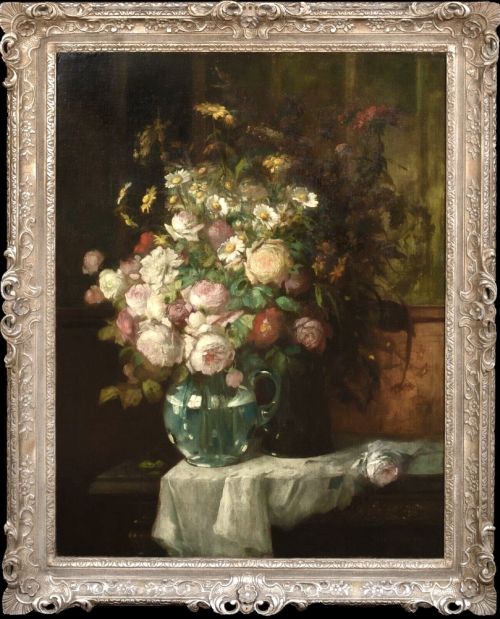
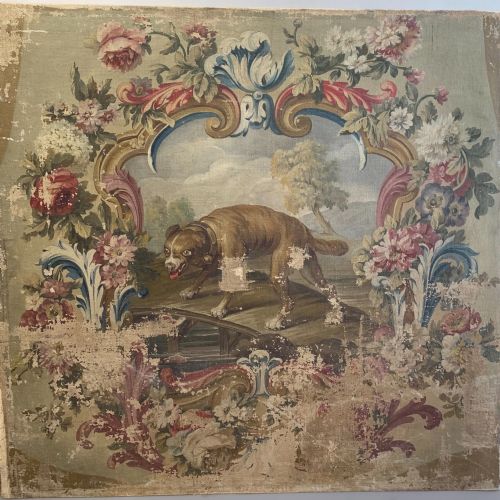
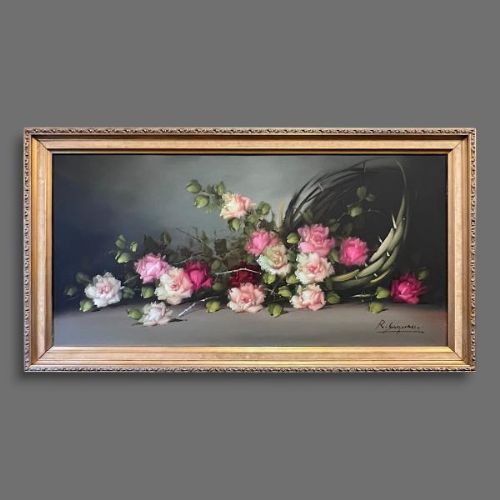
When you search for green floral artwork, you encounter historical paintings and works on paper centred on plants, gardens and botanical studies. These pieces capture natural foliage and blooms through the eyes of artists working from the nineteenth century into the mid-twentieth century.
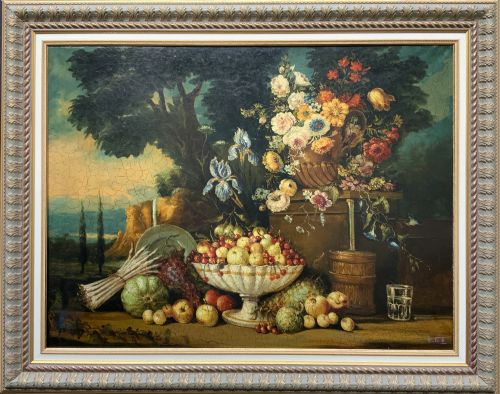
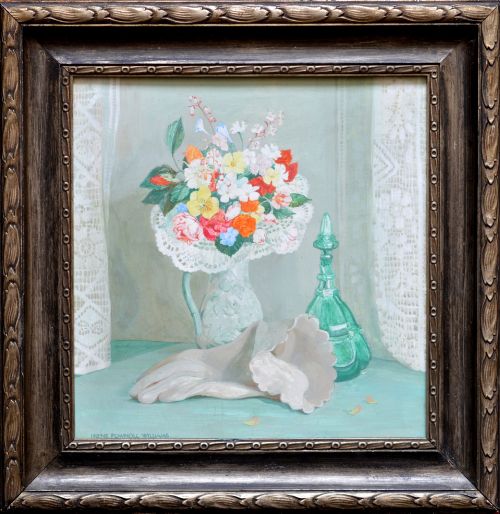
You meet oil paintings on canvas and board alongside delicate watercolours and gouache studies. Many works portray vases of flowers, cottage gardens and woodland settings dominated by natural green tones.
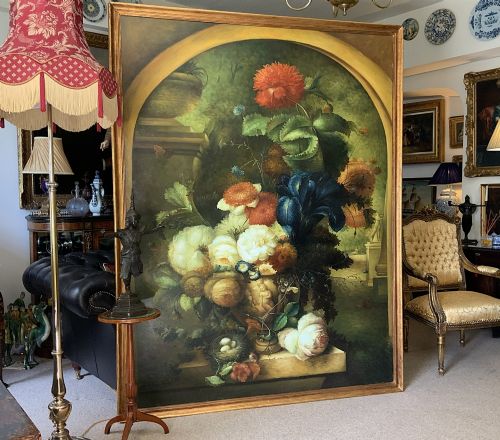
The selection spans Victorian naturalism, Edwardian garden views and mid-century interpretations. These physical artworks range from intimate framed watercolours to monumental Dutch style still lifes.
How these artworks were produced
Artists applied oil paint and watercolour to traditional supports including stretched canvas, wooden panel, paper and card. Many nineteenth and twentieth century pieces utilise gouache, pencil and tempera to build layered botanical detail.
Works on paper frequently combine watercolour washes with precise pencil or ink underdrawing. Oil paintings employ layered pigments on canvas or board to achieve depth in foliage and floral arrangements.
Green Floral Artwork Retail Price Guide 2026
Typical asking prices for green floral artwork among the pieces listed under this phrase on Sellingantiques today, from the lower quarter to the upper quarter. They describe what is for sale here now, not the wider market.
Listings feature works created across the nineteenth and twentieth centuries, spanning Victorian, Edwardian and Mid-Century Modern styles.
What determines quality in these pieces
Quality rests in the precision of the brushwork and the artist's command of light within the composition. Stronger pieces demonstrate confident handling of pigment, particularly when rendering complex foliage and the translucent quality of petals.
The sophistication of the palette and the preservation of the original medium dictate the standing of a piece. Works that retain their original framing and surface stability without excessive pigment loss command greater appreciation.
Vincent Clare·Edward Ladell·Owen Bowen·James Tower·Ernest Higgins Rigg
The Green Floral Artwork Glossary
- Oil painting
- A work executed with pigments bound in a drying oil medium, typically applied to canvas or wood panel.
- Watercolour
- A paint consisting of water-soluble pigments used on paper supports to create transparent washes of colour.
- Gouache
- An opaque water-based medium that includes a white pigment filler, producing a denser, matte finish than traditional watercolour.
- Tempera
- A permanent, fast-drying painting medium consisting of coloured pigment mixed with a water-binder such as egg yolk.
- Still life
- A work depicting inanimate subject matter, typically commonplace objects such as cut flowers, fruit and vases.
Green Floral Artwork: Frequently Asked Questions
What periods do these artworks cover?
The pieces span from the nineteenth century through the Edwardian era and into the mid-twentieth century. You find Victorian naturalism alongside later modernist interpretations.
This broad timeline means works range from highly detailed botanical studies to looser impressionist garden scenes.
How should I frame a watercolour?
Watercolour paintings require protection behind glass to prevent atmospheric damage to the paper and pigments. Using acid-free mounts keeps the paper separated from the glass.
Keep these works away from direct sunlight to preserve the fugitive green and floral pigments.
Where were these pieces displayed historically?
Botanical studies and floral still lifes traditionally hung in domestic reception rooms, libraries and garden parlours. They brought exterior nature into interior living spaces.
Larger oil paintings often occupied prominent wall space in country houses and formal dining rooms.
How do I identify a Victorian painting?
Victorian floral artworks often display meticulous detail, naturalistic lighting and traditional compositional structures. Signatures, framing styles and canvas stamps provide further historical clues.
Subject matter frequently leans towards detailed studies of roses, chrysanthemums and walled garden settings.