



Green Dress Painting
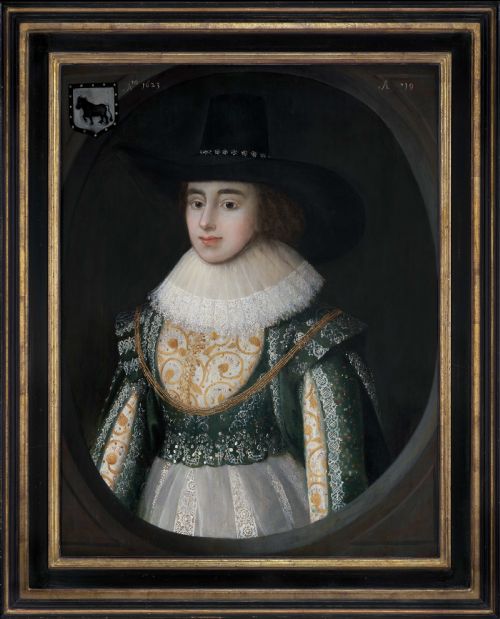
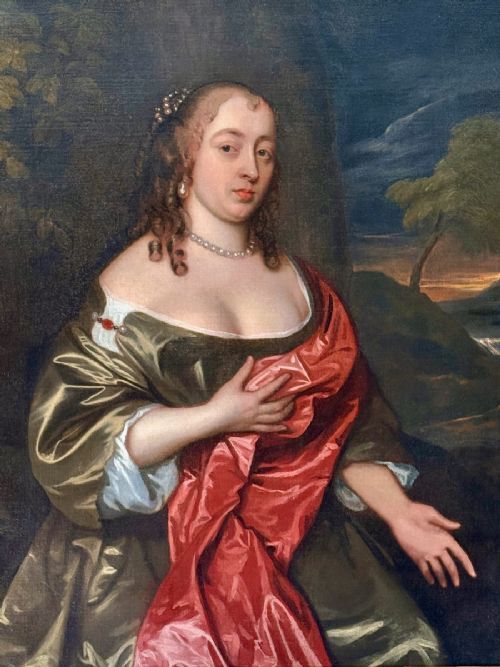
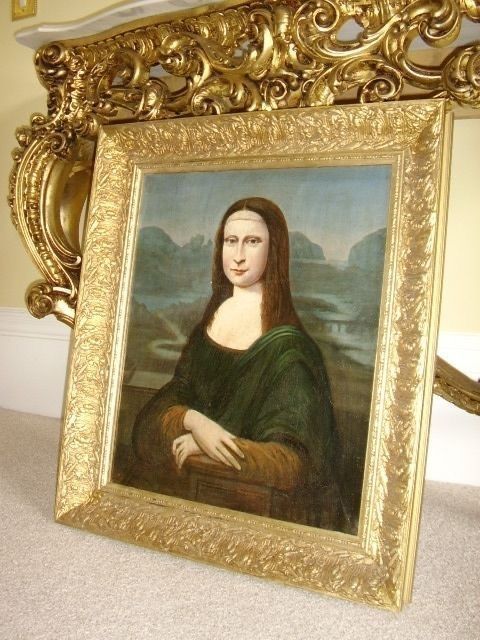
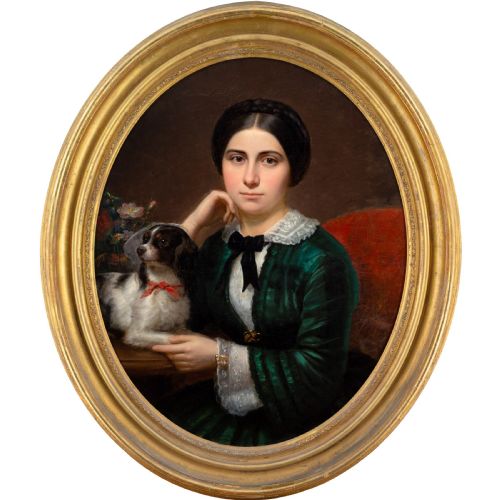
When you search for a green dress painting, you are looking for figurative portraits capturing textile detail across centuries.
Green Dress Painting
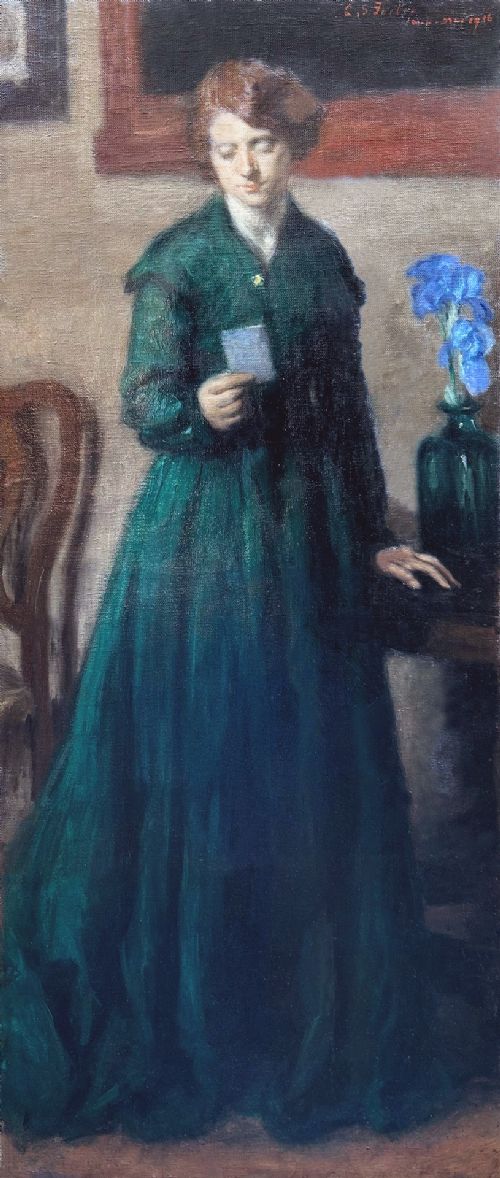
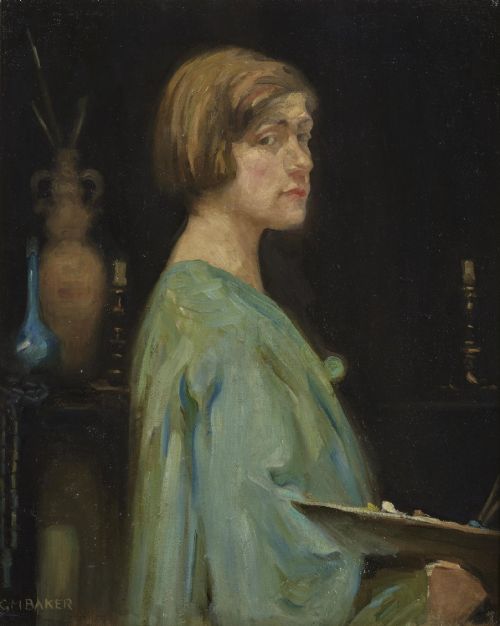
A green dress painting encompasses figurative portraiture spanning from the seventeenth century through to the mid-twentieth century. These works frequently depict aristocratic sitters, regional subjects, or artists themselves rendered in oil, pastel, or watercolour. Buyers will find seventeenth-century oils on canvas and panel alongside later post-impressionist and twentieth-century interpretations.
The material expression of the green garment serves as a focal point within the composition, whether rendered as heavy seventeenth-century silk, eighteenth-century mantle, or early twentieth-century sketch. Portraiture dominates this selection, ranging in scale from intimate cabinet pieces to large gallery formats.
These works bridge historical portraiture and textile study, reflecting shifts in fashion alongside changing artistic schools across British, French, and wider European traditions.
Materials and Techniques
The primary material foundation relies upon oil paint applied to stretched canvas or wooden panels, supported by preparation grounds that preserve pigment saturation over centuries. Painters built up the luminous depth of green fabrics through layered glazes and opaque pigments.
Alternative media such as pastel on paper, watercolour, and reverse glass printing appear within the selection, offering distinct surface textures and light-reflecting qualities. Giltwood frames frequently complement these works, providing historical context to the canvas.
Several ladies immortalised in green silk gowns are accompanied by remarkably watchful lapdogs.
Evaluating Quality and Execution
Quality rests upon the artist's ability to render the fall of light across fabric folds and the expressive rendering of the sitter's hands and face. Superior examples demonstrate confident brushwork that distinguishes between silk, satin, and wool textures without relying on mechanical precision.
Condition plays a central role, distinguishing works with original pigment stability and minimal restoration from those with heavy overpainting. The strength of provenance and attribution to documented studios further elevate the standing of an individual piece.
JOHN HAYLS·Cornelius Johnson·Nicolaes Maes·Thomas Gainsborough·Sir Peter Lely·JAMES BERTRAND·ANTOINE BOUVARD·John Michael Wright·Michael Dahl
The Green Dress Painting Glossary
- Oil on canvas
- Pigment bound in drying oil applied to a woven fabric support stretched across a wooden frame. This method became the dominant medium for portraiture from the Renaissance onwards.
- Panel painting
- Artwork executed on a flat wooden substrate rather than stretched textile. Panels provide a rigid support favoured by earlier European schools.
- Post-Impressionism
- An art movement developing roughly between the late nineteenth century and the early twentieth century. Practitioners rejected rigid naturalism in favour of expressive colour and form.
- Reverse glass print
- An image painted or printed directly onto the rear side of a glass plate and viewed from the front. This technique produces a glossy, reflective surface finish.
- Provenance
- The documented history of ownership associated with an artwork. A clear provenance helps establish authenticity and historical context.
Green Dress Painting: Frequently Asked Questions
What periods do these paintings cover?
The selection spans multiple centuries, beginning with seventeenth-century works by seventeenth-century masters and extending through the Georgian, Victorian, and mid-twentieth-century periods.
Individual pieces reflect the prevailing aesthetic of their time, moving from formal court portraiture to looser post-impressionist studies.
How should I care for an antique oil painting?
Protect the canvas from direct sunlight and maintain stable indoor humidity levels to prevent pigment cracking or warping of the wooden stretcher bars.
Dust the surface gently with a soft, dry brush and avoid chemical cleaning agents entirely.
What is a reverse glass print?
A reverse glass print involves applying pigment to the back of a glass sheet so the finished image is viewed through the transparent front.
This creates a distinctive glossy sheen characteristic of certain Georgian and seventeenth-century decorative works.
Are these portraits signed by the artist?
Some canvases bear explicit signatures, dates, or contemporary inscriptions identifying the creator or the sitter, while others remain attributed based on style and studio practice.
Unsigned pieces are frequently ascribed to specific historical schools or followers of major painters.