
Green Ceramic Bowl
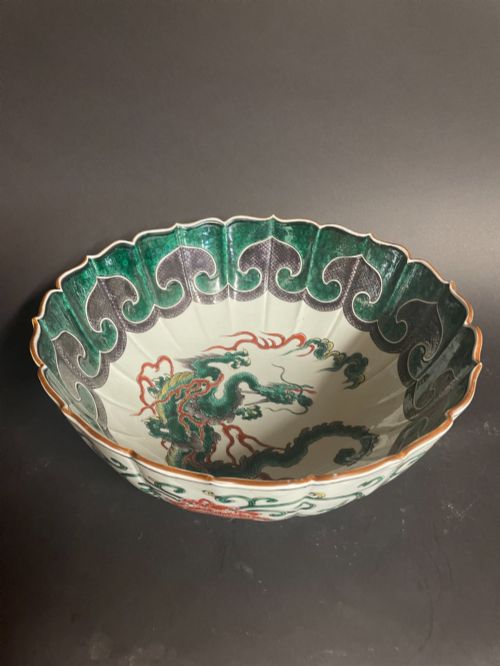
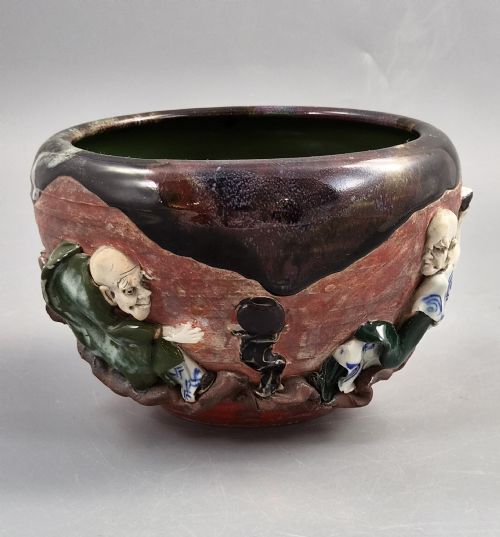
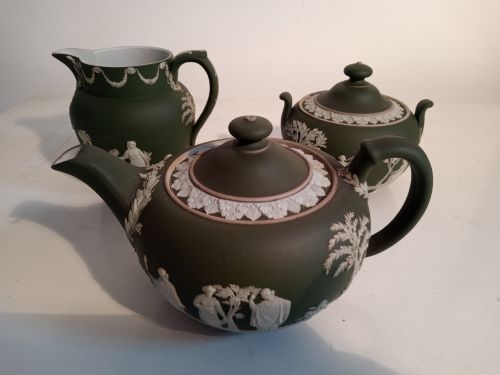
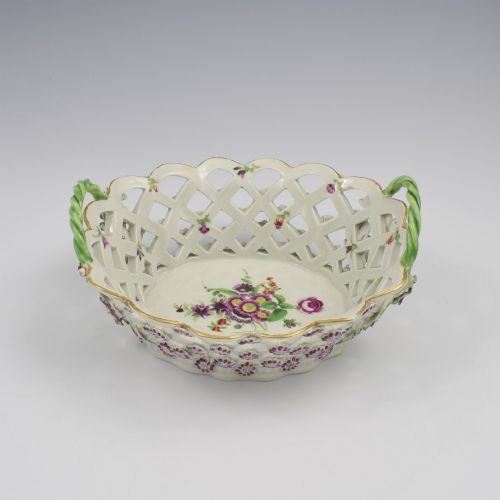
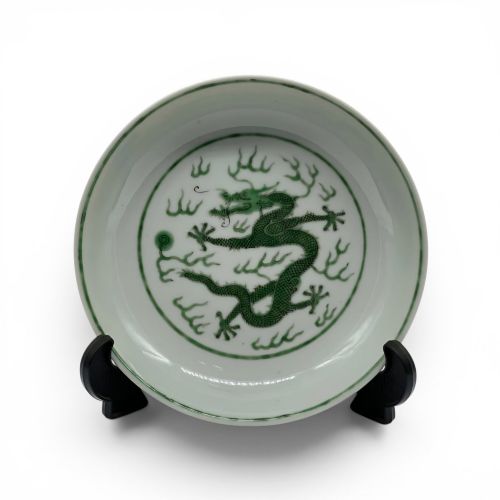
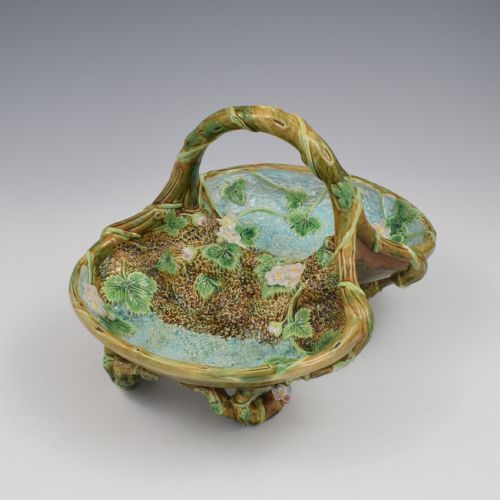
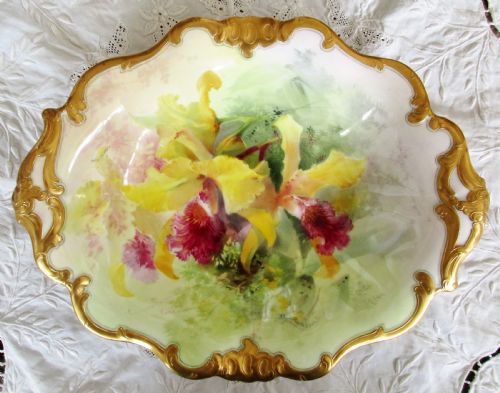
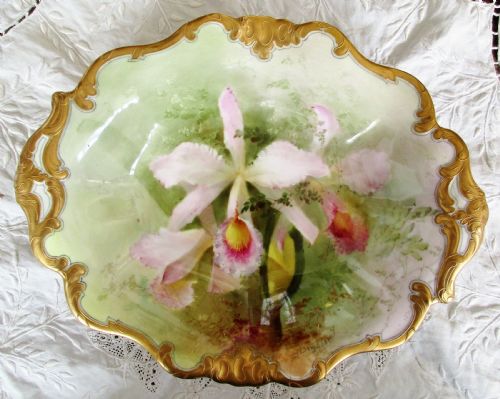
A green ceramic bowl brings vibrant pigment and varied forms from diverse historical epochs into a room.
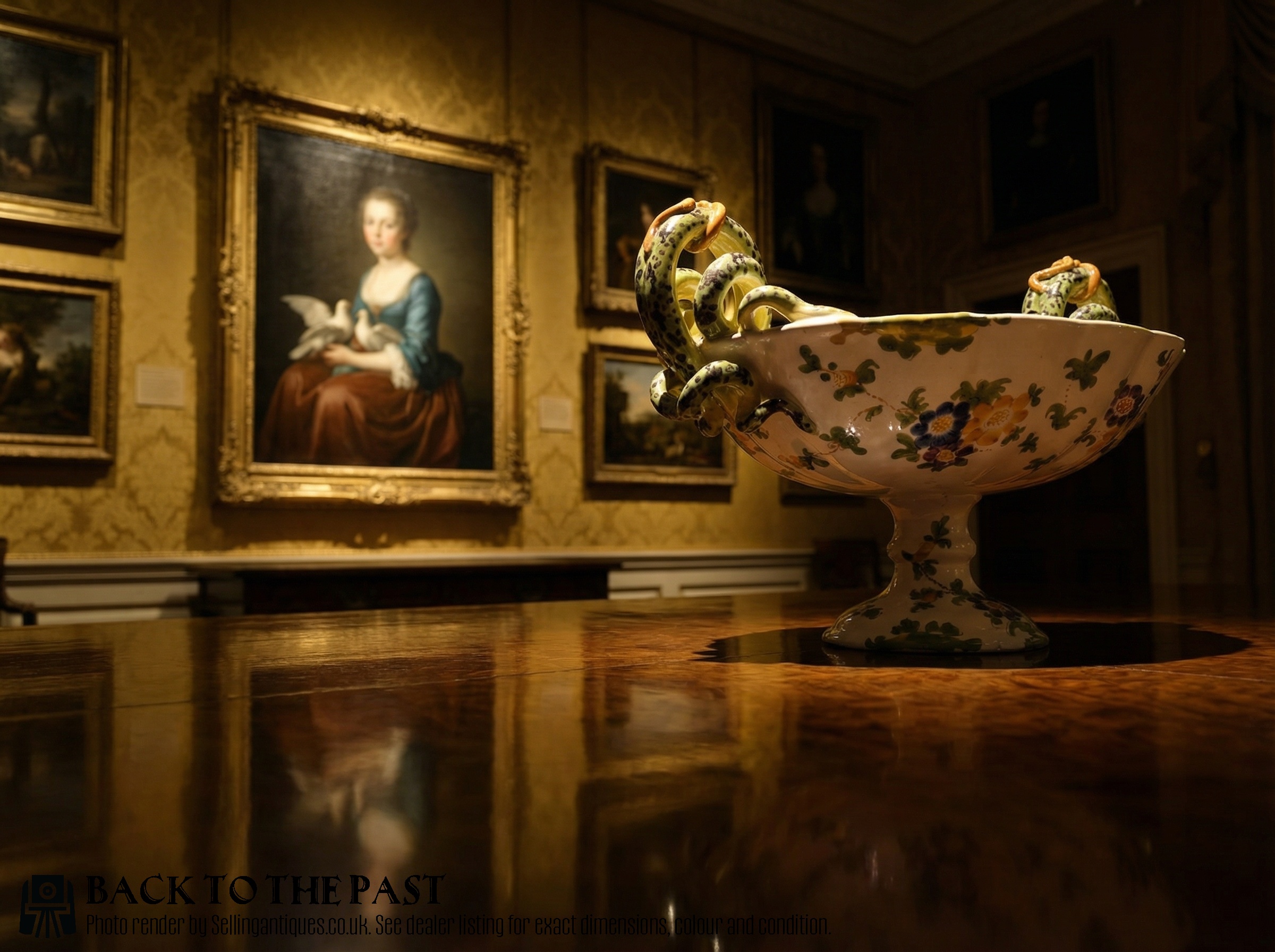
Green Ceramic Bowl
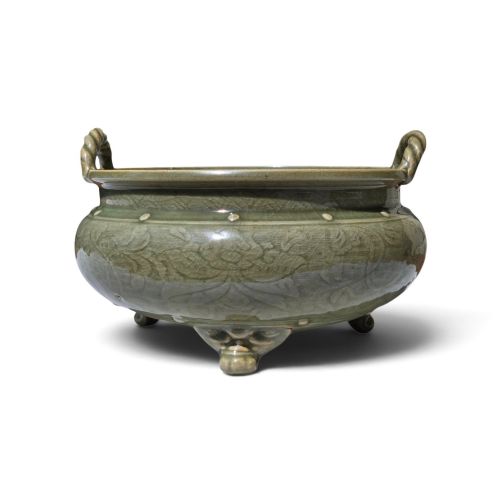
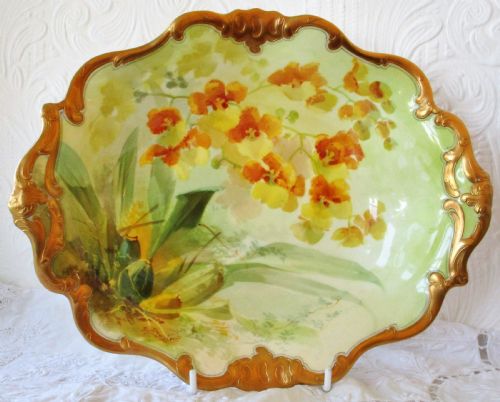
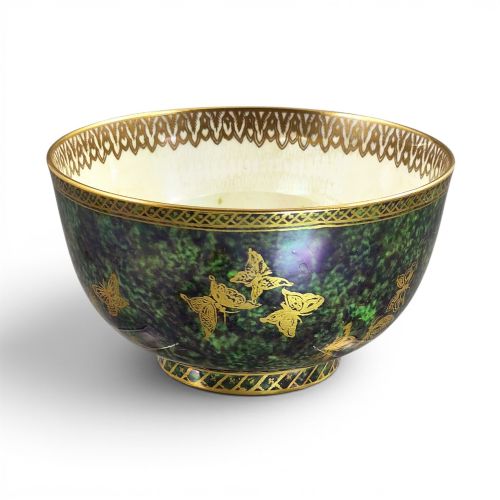
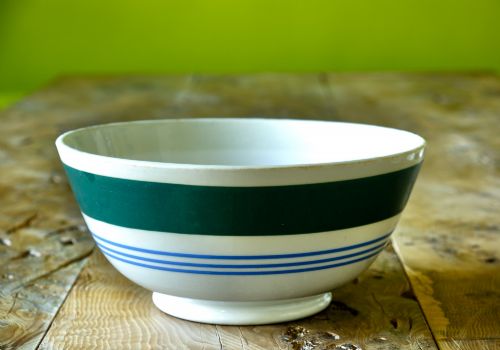
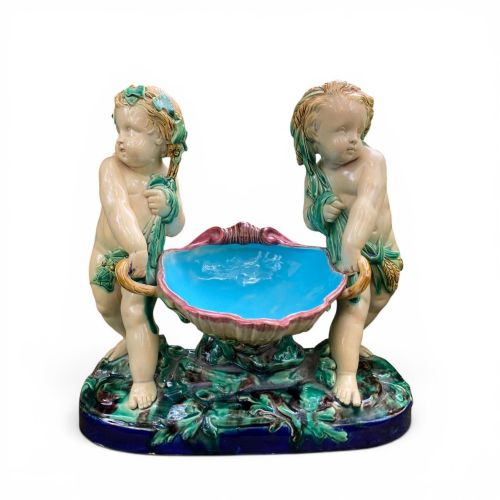
The most common versions met on this page include Victorian majolica pieces with leaf and fruit motifs, Chinese celadon wares displaying pale green glazes, and early twentieth-century lustre items. These forms reflect both practical domestic service items and purely ornamental vessels intended for display.
Materials and production techniques
Makers utilised ceramic bodies formed from earthenware, porcelain, and ironstone, shaping vessels on the wheel or pressing them into moulds. These structural bases received liquid slips and specialised pigments before enduring high kiln temperatures.
Glazes provided the characteristic green coloration, ranging from translucent celadon layers and tin-based majolica enamels to iridescent lustre finishes. Artisans frequently added hand-painted details, gilding, or applied figures in relief prior to the final firing.
Listings incorporate nineteenth-century Victorian pieces alongside eighteenth-century items and twentieth-century earthenware.
Assessing quality in historical ceramics
Quality rests in the crispness of moulded relief work, the evenness of the glaze application, and the precision of hand-painted details. Finer pieces display careful control during kiln firing, resulting in smooth surfaces free from major pooling or dry spots.
The sophistication of the design execution and the reputation of the specific maker or studio elevate certain examples above standard utilitarian wares. Original artistic intent and successful translation into ceramic form distinguish superior vessels from simpler productions.
Doulton Burslem·Wedgwood·Minton·T G Green·Ulisse Cantagalli·Inoue Ryōsai
The Green Ceramic Bowl Glossary
- Celadon
- A traditional East Asian ceramic glaze producing shades of pale green through iron oxide fired in a reduction atmosphere. The resulting finish mimics the appearance of jade.
- Majolica
- A type of earthenware covered with an opaque tin-lead glaze and decorated with metallic oxide colours. This technique creates vibrant surfaces suited to figural and botanical designs.
- Lustreware
- Pottery featuring a metallic glaze that imparts an iridescent sheen when viewed in reflected light. Specialised reduction firings produce these shimmering surface effects.
- Comport
- A raised dish or bowl utilised historically for serving fruit or sweetmeats at the table. These pedestal vessels elevate food above the surface of the dining arrangement.
- Porringer
- A small shallow bowl furnished with one or two flat horizontal handles. These domestic vessels historically served porridges, broths, and other liquid foods.
Green Ceramic Bowl: Frequently Asked Questions
How are antique green ceramic bowls used today?
These vessels function effectively as decorative centrepieces on dining tables, sideboards, or open shelving. Their colours complement floral arrangements or stand alone as sculptural objects.
Larger basins and bowls accommodate fruit displays or garden stems, while smaller dishes suit entrance tables for holding everyday small items. Care should match the delicate nature of historical ceramic surfaces.
How do I care for antique ceramic bowls?
Display these items away from direct sunlight and areas subject to sudden temperature fluctuations to protect fragile glazes. Dust them gently with a dry, soft cloth.
Avoid immersing historical ceramics in water, particularly pieces with porous earthenware bodies or delicate overglaze enamel decorations. Hand washing with mild soap is reserved only for robust glazed surfaces.
What periods do these green bowls come from?
The available selection spans from sixteenth-century Ming Dynasty productions to twentieth-century industrial earthenwares. Pieces appear from the Victorian, Edwardian, and Meiji periods.
Earlier centuries are represented by Chinese export wares and Japanese Arita dishes, while later decades introduce British studio and factory outputs. Each era brings distinct decorative vocabularies to the ceramic body.