




Green Carved Mirror
A green carved mirror brings instant character and colour to a room, using aged paint and carved detail to catch the light.
Green Carved Mirror
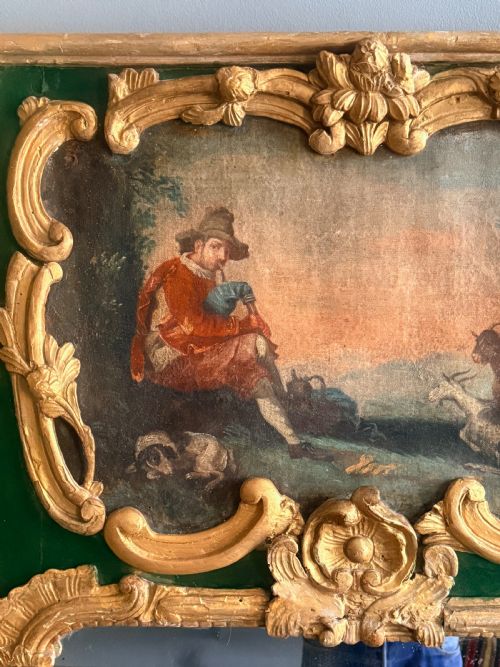
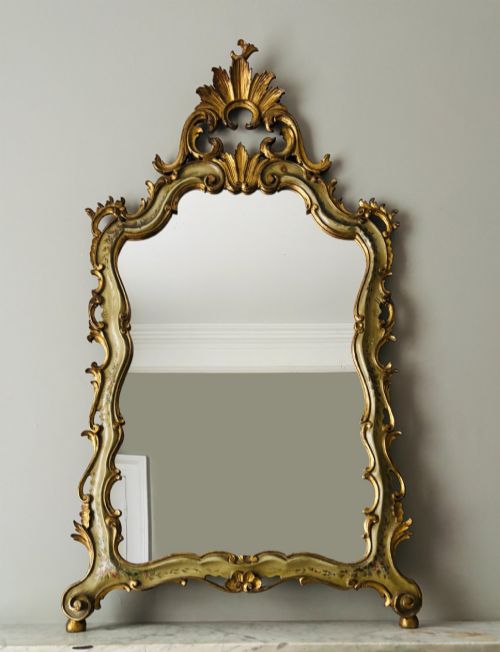
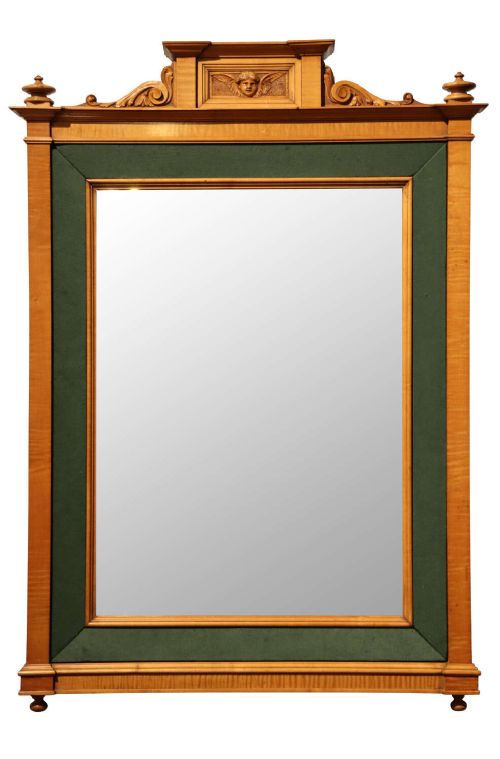
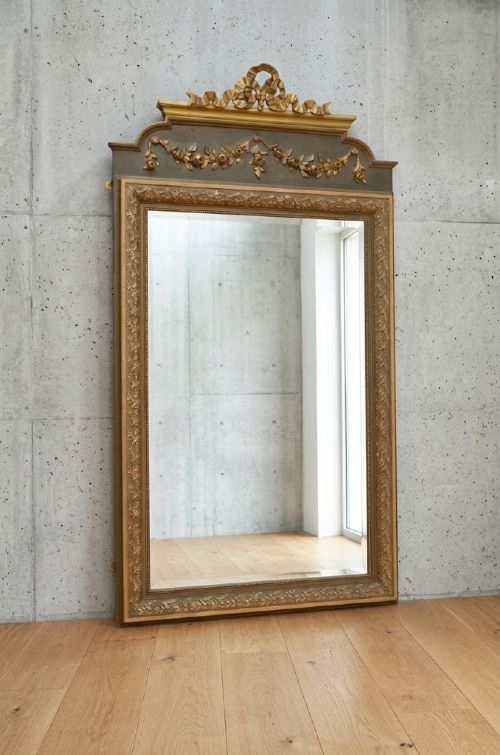
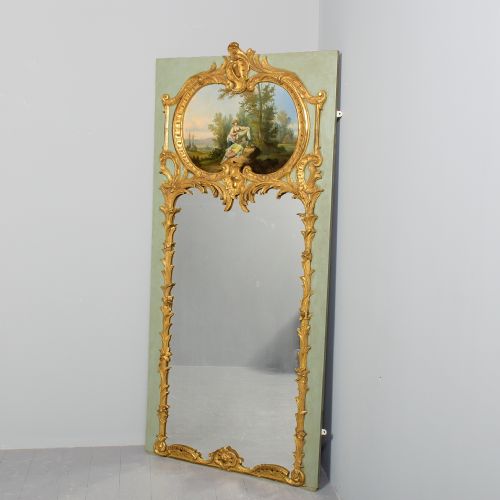
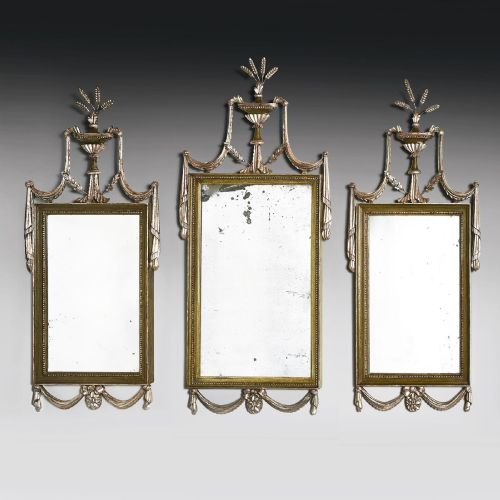
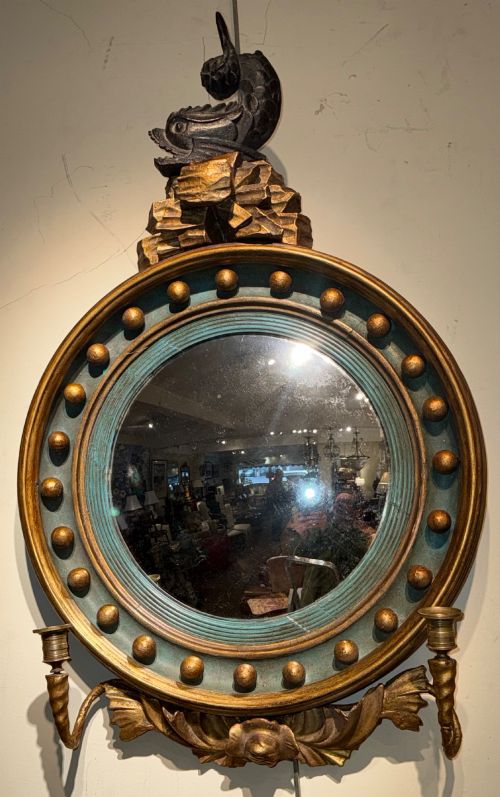
A green carved mirror is a wall hanging or decorative furnishing defined by its painted or treated wooden frame and sculpted ornamentation. These pieces range from compact Edwardian wall hangings with carved cherub crests to large French painted trumeau mirrors and Venetian polychrome works.
The green carved mirror category encompasses diverse stylistic influences, including Venetian Rococo, Belle Époque French gilding, and Italian Florentine designs. Many examples utilise painted wood or gesso surfaces finished in olive, silvered green, or polychrome schemes that highlight the underlying carving.
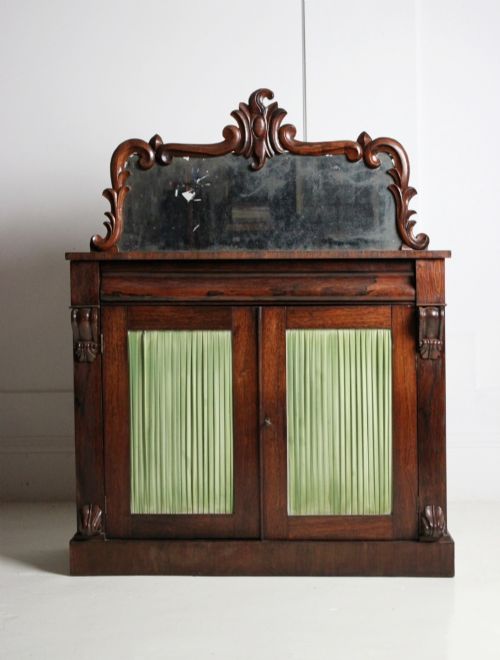
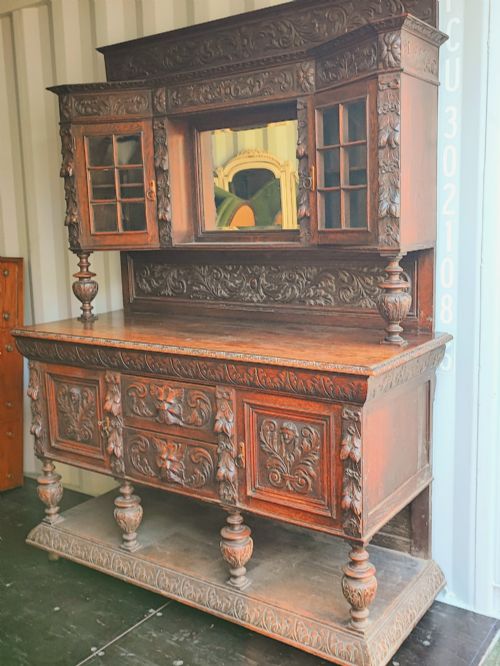
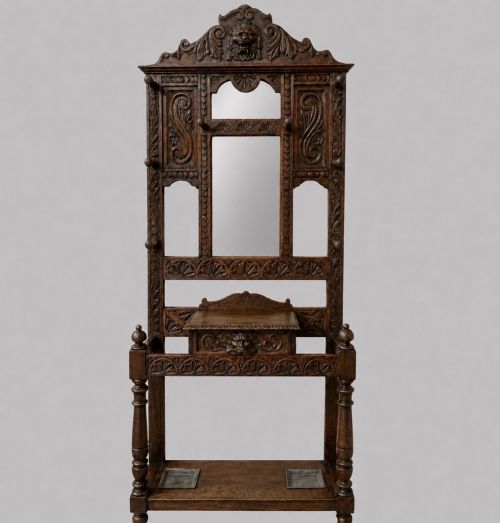
Buyers will encounter various forms spanning the nineteenth and early twentieth centuries, alongside distinct carved oak hall stands and sideboards incorporating mirrors. The selection highlights how carvers applied painted green finishes across different European traditions.
What varies in quality
The distinction in quality rests upon the crispness of the hand carving and the integrity of the painted or gilded surface. Finer examples display deeply undercut wooden relief work and harmonious patination where age has softened the green pigment.
Construction methods also separate standard production from superior craftsmanship, particularly in the joinery of the wooden frame and the quality of the original mirror glass. Pieces retaining their authentic period crests and undisturbed painted finishes command greater consideration.
Green Carved Mirror Retail Price Guide 2026
Typical asking prices for green carved mirror among the pieces listed under this phrase on Sellingantiques today, from the lower quarter to the upper quarter. They describe what is for sale here now, not the wider market.
One exceptional piece hides a spirited Green Man peering out from a carved oak hall stand.
Gillows Of Lancaster·Pauly et Cie
The Green Carved Mirror Glossary
- Trumeau mirror
- A decorative wall mirror designed to fit within a specific architectural panel or pier between windows, often featuring painted or carved scenes above the glass.
- Polychrome
- Decoration executed in multiple colours, frequently seen on Italian and French frames where green pigments combine with gilt or contrasting hues.
- Gesso
- A plaster-like mixture applied to wood frames to create a smooth surface for carving intricate relief details and applying paint or gold leaf.
- Crest
- The decorative ornament or carved flourish positioned at the very top of a mirror frame, such as a ribbon or cherub motif.
- Giltwood
- Wood that has been coated with thin gold leaf or gold paint, frequently used alongside painted green sections in nineteenth-century decorative pieces.
Green Carved Mirror: Frequently Asked Questions
How do I date a green carved mirror?
Dating relies upon observing the joinery, the type of wood utilised, and the style of the carved ornamentation. Characteristics such as ribbon crests or specific paint formulations often point towards nineteenth or early twentieth-century periods.
Examining the reverse of the frame and the silvering on the mirror glass provides further clues regarding age and authenticity.
Where should I hang a trumeau mirror?
Trumeau mirrors work effectively above mantlepieces, console tables, or low sideboards where their vertical proportions can command the wall space. They were traditionally placed between windows to reflect natural light into larger reception rooms.
Ensure the wall fixings match the substantial weight of these carved wooden and glass assemblies.
How do I clean a painted wooden mirror frame?
Dust the carved wooden elements gently with a soft, dry brush to prevent dirt accumulation in the recessed areas. Avoid using harsh chemical cleaners or excess moisture on painted or gilded surfaces.
Preserving the aged patina requires minimal intervention and gentle handling during routine maintenance.
Are all green carved mirrors French or Italian?
While many decorative painted mirrors originate from French and Italian workshops, British makers also produced significant pieces. Examples finished in silvered green paint demonstrate distinct regional craftsmanship.
The specific style of the carving and the underlying wood species usually indicate the geographic origin.