
Green Canvas Painting
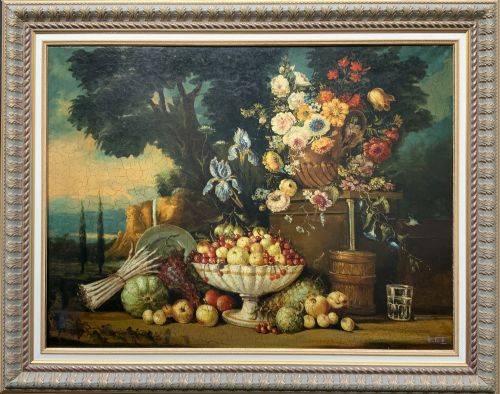
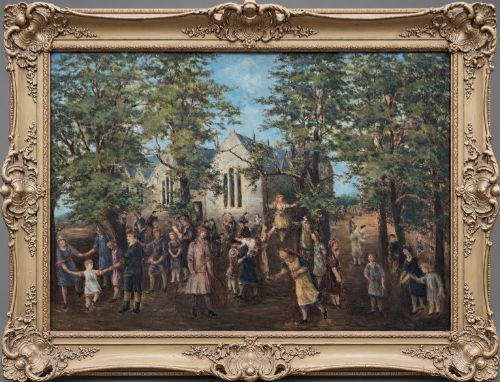
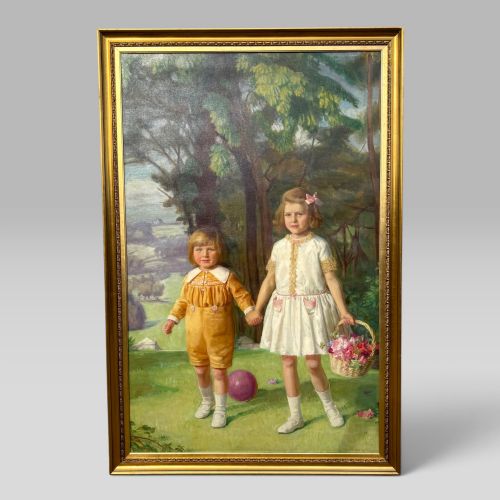
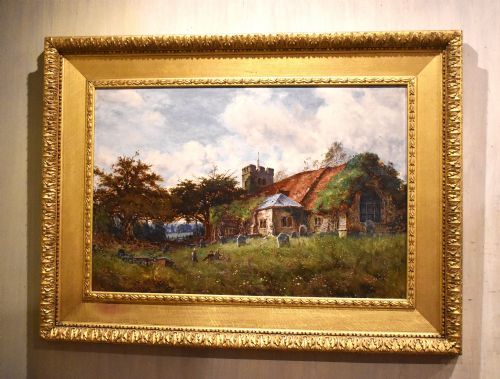
A green canvas painting brings centuries of oil paint and canvas together, offering landscapes, portraits, and still lifes dominated by rich tones of green.
Green Canvas Painting
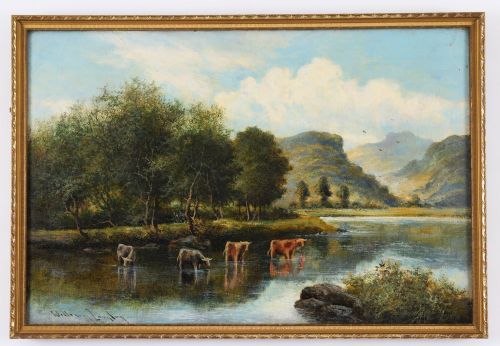
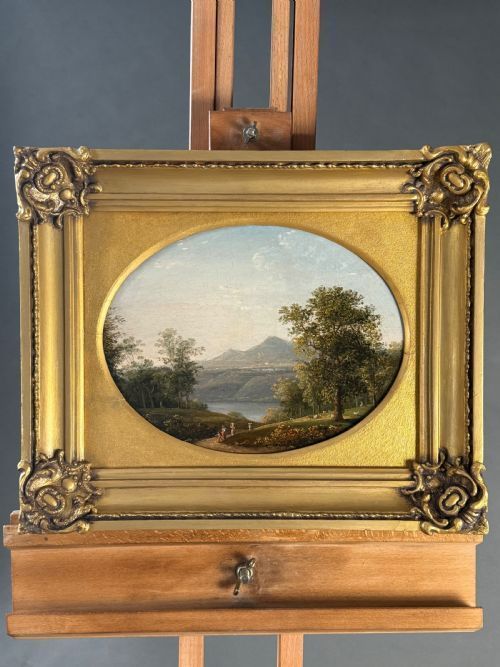
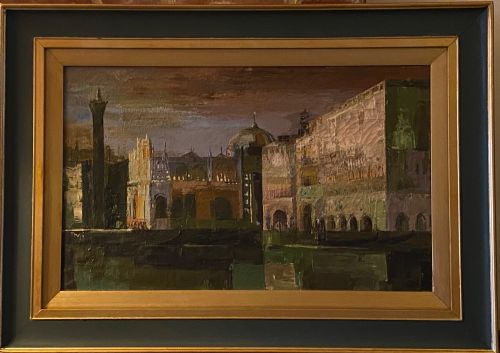
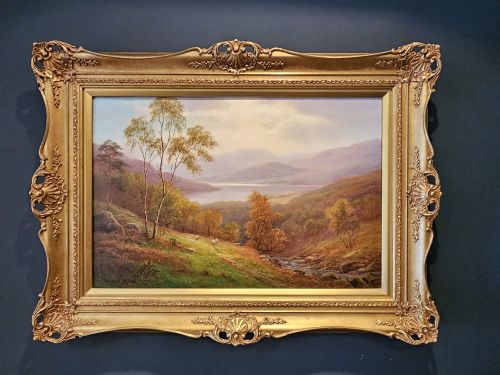
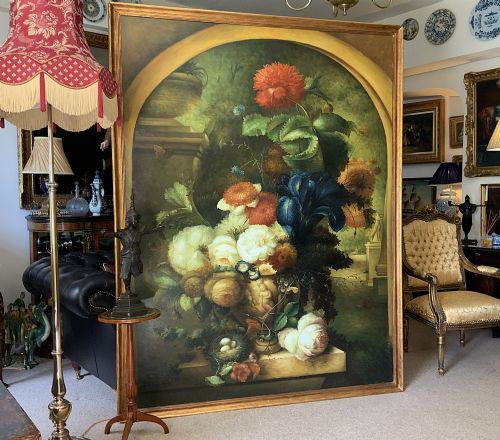
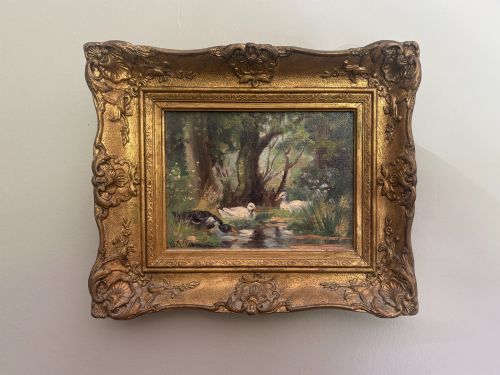
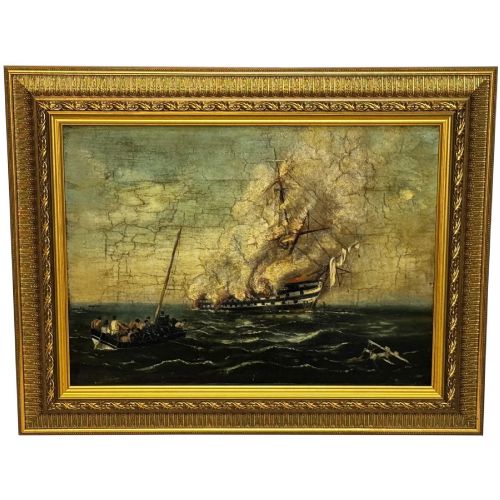
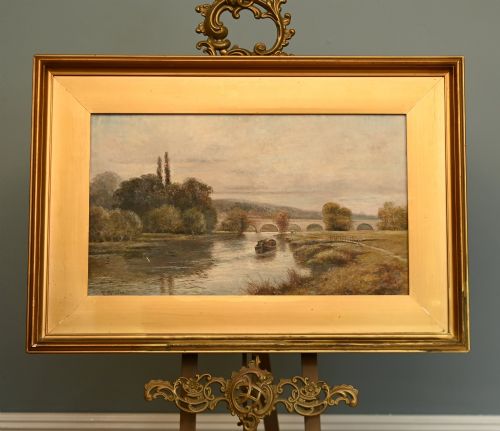
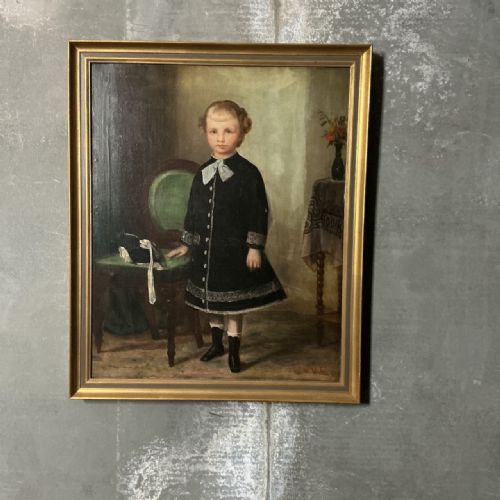
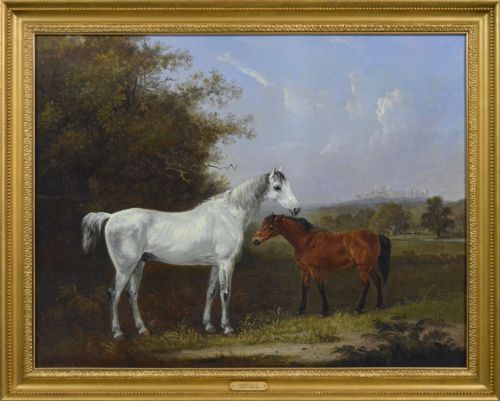
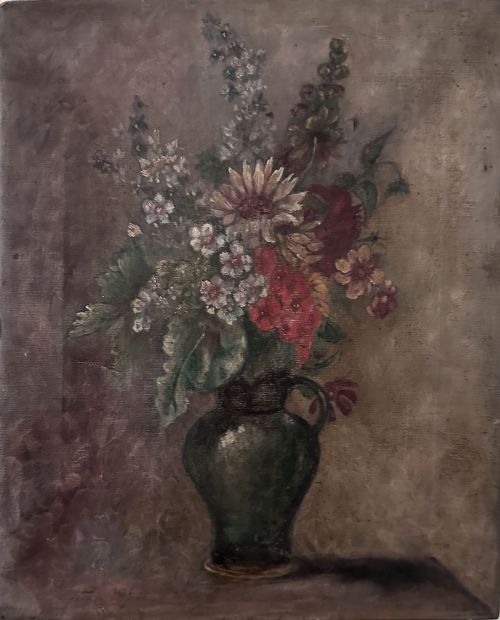
When you search for green canvas painting, you encounter oil paintings on canvas spanning from the seventeenth century through to the mid twentieth century. The selection encompasses British and European portraiture, landscape scenes, still lifes, and maritime works.
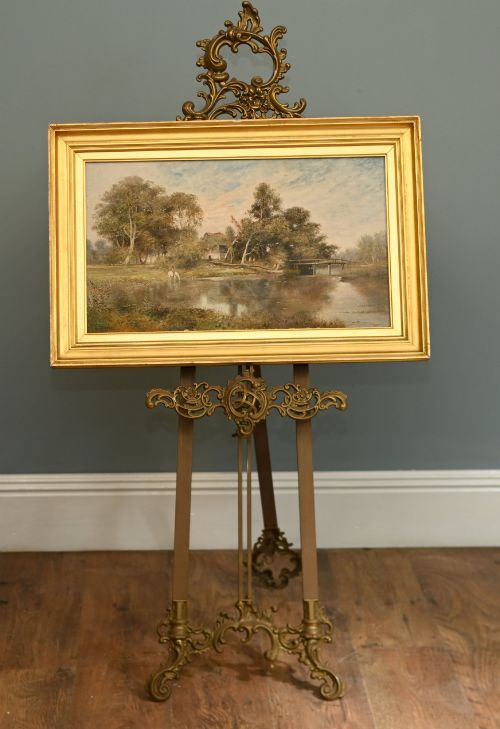
You are most likely to meet nineteenth-century and early twentieth-century landscapes alongside portraiture, where artists utilised oil paint to capture woodland, riverbanks, and pastoral settings.
The objects take the form of framed wall art and fine art paintings, often reflecting schools such as British Impressionism, Post-Impressionism, and Victorian realism.
Materials and construction
These works are created using oil paint applied to woven canvas supports, frequently stretched over wooden frames or stretchers.
Many examples are housed within original or period giltwood frames that complement the painted surfaces.
Listings span from the seventeenth century to the 1960s, featuring oil on canvas, wood, gilt, and giltwood materials across British and European schools.
Distinctions in quality
Quality rests in the handling of the medium, where confident brushwork and tonal depth distinguish accomplished works from more formulaic compositions.
The preservation of the original canvas and the integrity of the paint layer without extensive modern intervention mark the higher tier of surviving pieces.
John Hayls·Eugène Verboeckhoven·Richard Sebastian Bond·William Beattie-Brown·Bernard Hailstone·William H Myers·George Graham·Frederick Marriott·John Horace Hooper·George Houston·Herbert Royle·Robert Morson Hughes·Thomas W Lascelles·Gabriel Mathieu·David Bates·Walter Heath Williams·Mark Ingram·John Lübschitz·Antonio DeVity·Konstantin Stoitzner·Edward Ladell·James Howe·Lucy Pratt·John Michael Wright·Michael Dahl
The Green Canvas Painting Glossary
- Oil paint
- A slow-drying paint made by mixing pigments with oils, such as linseed oil. This medium allows for rich blending and textured impasto effects.
- Canvas
- A heavy woven fabric used as a surface for painting. It provides the primary support for the majority of the works found here.
- Giltwood
- Wood that has been coated with a thin layer of gold leaf or gold paint. Frames executed in this technique frequently enclose antique oil paintings.
- Impasto
- Paint applied thickly to a canvas, standing out from the surface so that the brush or palette knife marks remain visible. This technique adds tactile dimension to foliage and water.
- Provenance
- The documented history of ownership of an artwork. A clear record helps establish authenticity and attribution.
Green Canvas Painting: Frequently Asked Questions
How do I date an antique oil painting?
Dating relies on stylistic evidence, costume details in portraits, stretcher construction, and the type of canvas used.
Examine the inscriptions, signatures, and any labels affixed to the reverse of the frame or stretcher.
What is the difference between oil and acrylic on canvas?
Oil paint uses drying oils and matures slowly, developing rich depths of colour and subtle tonal gradations over centuries.
Acrylic paint utilises a polymer emulsion base, drying much faster with a different surface flexibility.
How should I care for a canvas painting?
Keep paintings away from direct sunlight, extreme temperature fluctuations, and high humidity to protect the canvas and paint layers.
Dust the surface gently with a soft, dry brush without applying pressure to the pigment.
What does attribution mean in painting listings?
Attribution indicates that an artwork is ascribed to a specific artist based on stylistic similarities and expert opinion rather than a signature.
Terms like circle of or school of denote work produced by contemporaries or followers within a specific period.