

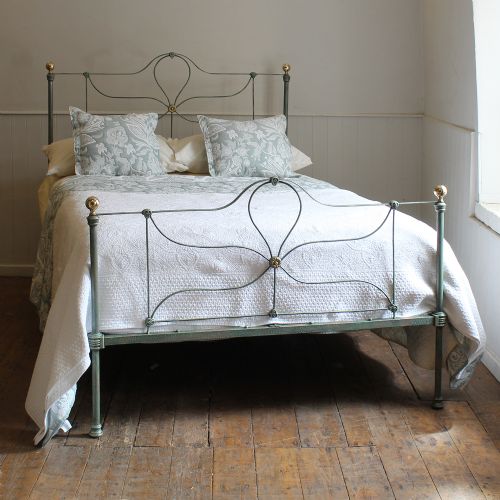
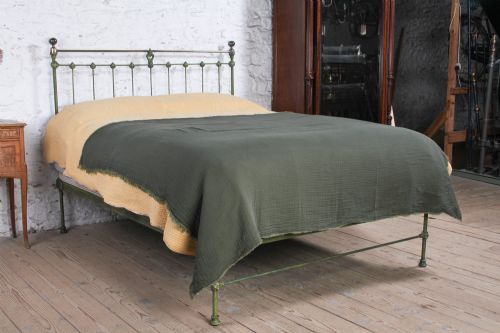
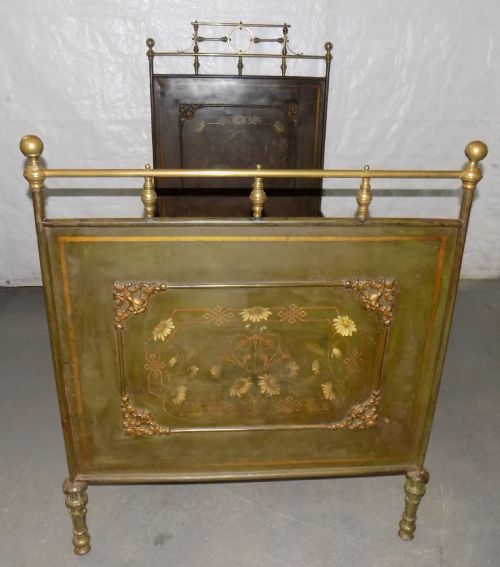


Green Brass Bedstead
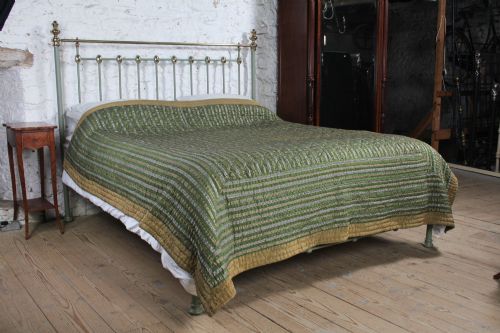
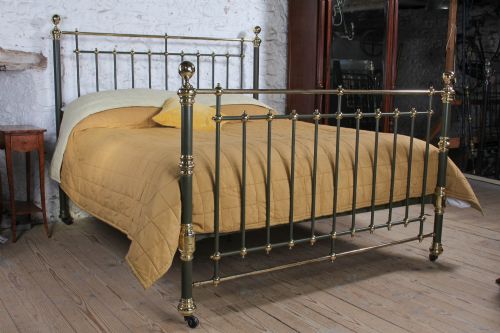
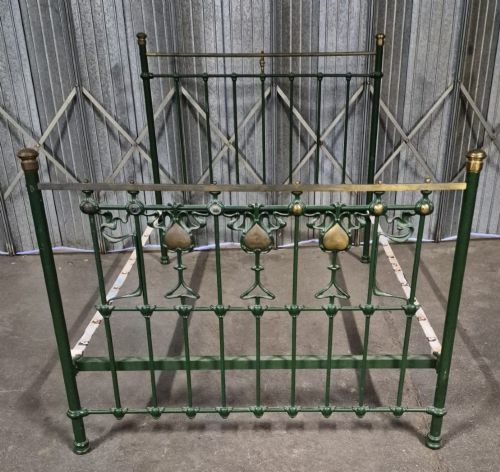
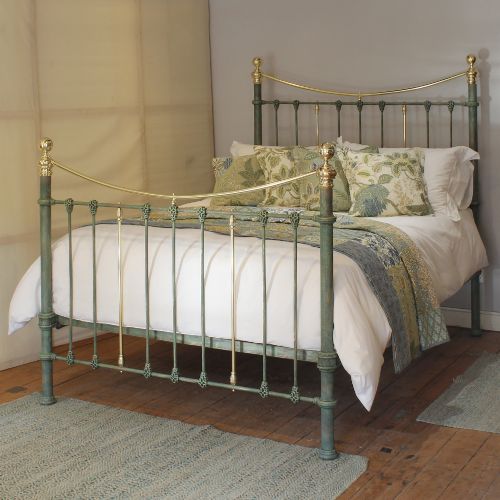
A green brass bedstead brings character and enduring metalwork into a bedroom through painted iron and polished brass.
Green Brass Bedstead
When buyers search for a green brass bedstead, they are looking for nineteenth-century and turn-of-the-century sleeping frames that combine painted metal components with bright metal elements. These pieces range from single sizes to super king formats, often featuring cast iron structures paired with decorative brass details.
The most common versions met on this page are Victorian designs finished in shades of antique green or verdigris, alongside Georgian-influenced and Austrian pieces. They appear in forms such as low-end beds, platform styles, and Dutch-style bedsteads.
Originating predominantly from the nineteenth century up to nineteen hundred, these beds combine robust metal framing with ornamental castings. They offer a distinct alternative to standard wooden furniture while retaining historical proportions.
How they were made
Makers constructed these frames using combinations of cast iron, wrought iron, and sheet metal to form the structural body. Brass components were then attached to provide contrasting metallic highlights along the headboards and footboards.
Surface finishes relied on specialist paint application, creating antique green and verdigris effects over the ironwork. Selected pieces incorporated secondary materials such as mahogany and leather details to complete the design.
Green Brass Bedstead Retail Price Guide 2026
Typical asking prices for green brass bedstead among the pieces listed under this phrase on Sellingantiques today, from the lower quarter to the upper quarter. They describe what is for sale here now, not the wider market.
Listings feature periods spanning from eighteen fifty to nineteen hundred, encompassing Victorian, Georgian, and nineteenth-century Austrian styles.
What varies in quality
The distinction between standard examples and finer pieces lies in the intricacy of the metal castings and the application of the green paint finish. Superior items display well-defined brass details and thoughtful proportions across larger sizes like king and super king formats.
The integration of different materials also dictates the standard of a piece, where solid brass elements and cleanly joined iron framework demonstrate superior manufacturing intent. The depth and preservation of the antique green or verdigris surface further separate average examples from more desirable specimens.
R W Winfield·Harrods
The Green Brass Bedstead Glossary
- Verdigris
- A green patina or crust that forms on brass and copper through natural oxidation or chemical treatment. This finish gives nineteenth-century iron frames a distinct aged appearance.
- Toleware
- Metalware painted and baked with a durable lacquer finish, often associated with decorative items and specific continental bedstead styles. It provides a smooth surface layer over the metal base.
- Cast iron
- Molten iron poured into a mould to create rigid structural components and decorative mouldings. It formed the heavy load-bearing framework for nineteenth-century beds.
- Low end
- A bed design where the footboard sits lower than the headboard, opening up the visual space of a room. This configuration is particularly common in larger super king proportions.
- Platform style
- A specific configuration of iron and brass bed framing providing a low, stable base for mattresses. These frames emphasise linear metalwork rather than high vertical headboards.
Green Brass Bedstead: Frequently Asked Questions
What sizes do these metal beds come in?
The selection includes single, small double, double, king size, and super king formats to suit various bedroom dimensions. Larger variants often feature low ends or extended platform configurations.
Buyers will find that proportions vary from compact nineteenth-century single frames to substantial turn-of-the-century sleeping platforms.
How do I identify a Victorian metal bed?
Victorian examples typically display distinct brass detailing, decorative iron castings, and painted surfaces in antique green or verdigris. Their construction dates predominantly from eighteen eighty to nineteen hundred.
These pieces combine heavy iron framework with bright brass elements, reflecting the manufacturing methods of the nineteenth century.
Are these beds suitable for modern mattresses?
Most frames accommodate standard mattress sizes while retaining their historic metal structures. Buyers should check the internal dimensions of each specific bedstead before sourcing a mattress.
Platform styles and standard double frames offer stable support bases designed for everyday use.
What materials make up these bed frames?
The primary structure relies on cast iron, wrought iron, and sheet metal, finished with paint or verdigris treatments. Brass components are added as decorative highlights on headboards and footboards.
Secondary materials like mahogany and leather occasionally appear on specific nineteenth-century designs to enhance the decorative scheme.