

Green Botanical Wall Art
Green botanical wall art brings nature indoors through depictions of plants and flowers rendered across multiple historic periods and mediums.
Green Botanical Wall Art
Green botanical wall art encompasses a wide variety of pieces designed to be hung on walls, capturing flora through different artistic traditions. The selection spans centuries, featuring Victorian works alongside mid-century interpretations.
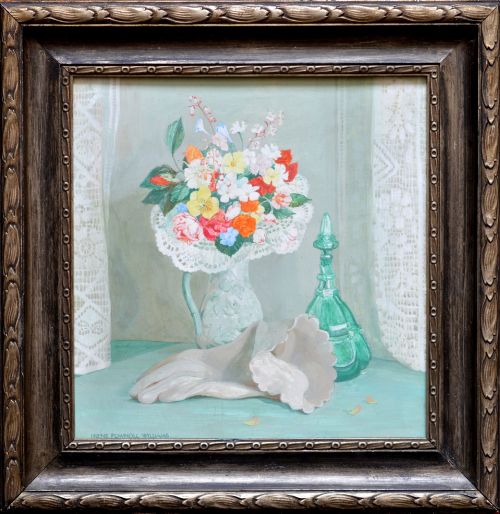
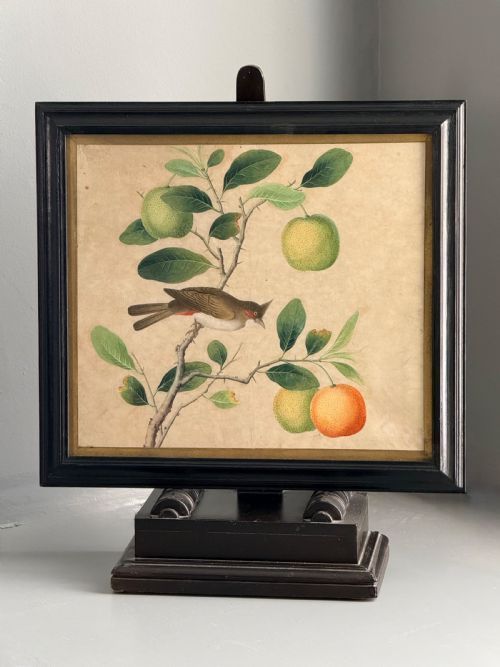
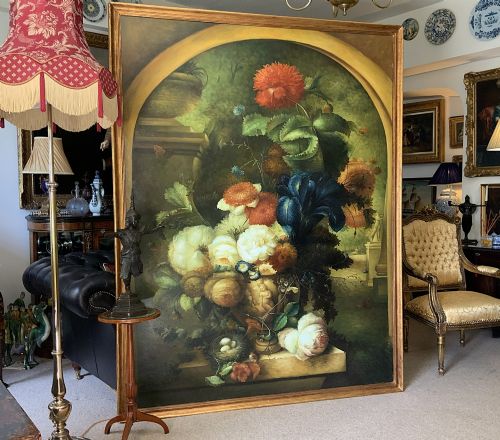
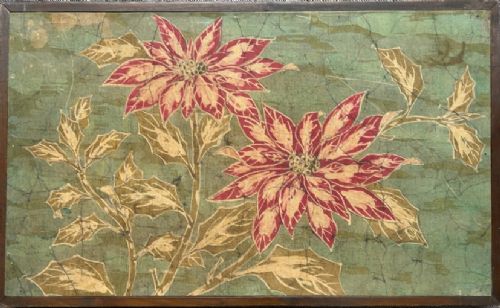
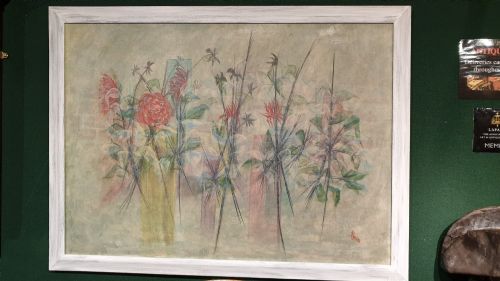
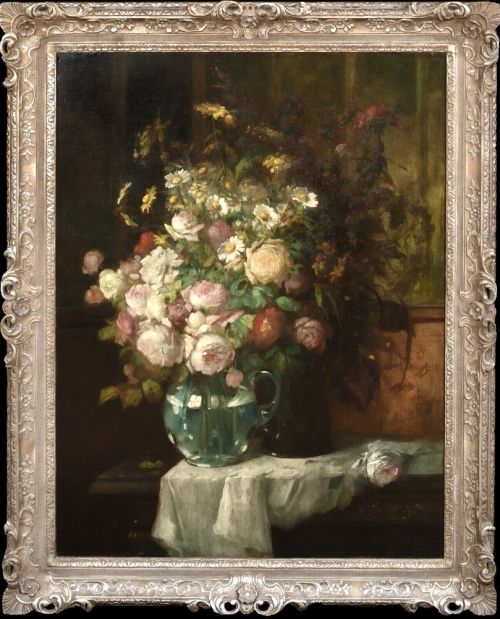
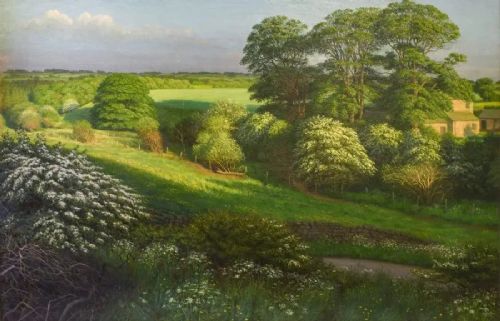
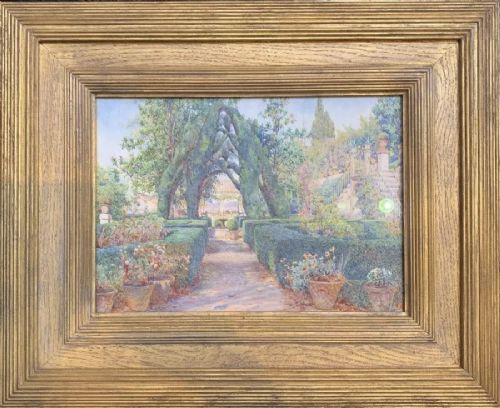
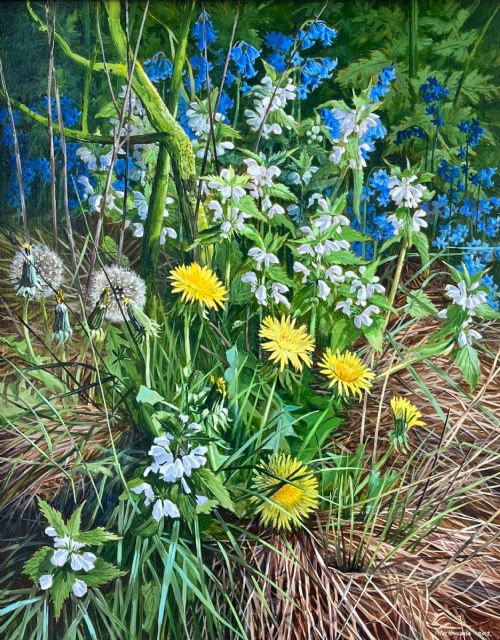
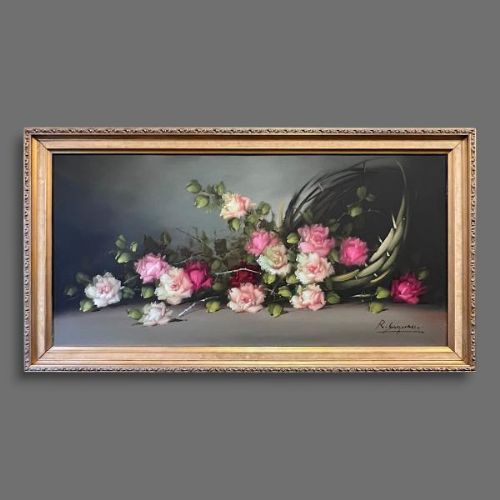
Buyers encounter numerous physical forms when browsing green botanical wall art, ranging from delicate watercolours and hand-coloured engravings to substantial oil paintings and framed textile panels. Pieces originate from diverse European and Asian makers, reflecting changing aesthetic preferences across generations.
The material presentation shifts according to the period, with early examples relying on paper, pith, or canvas support. Later mid-century items incorporate board and modern fabric techniques to achieve distinct visual textures.
Materials and technique
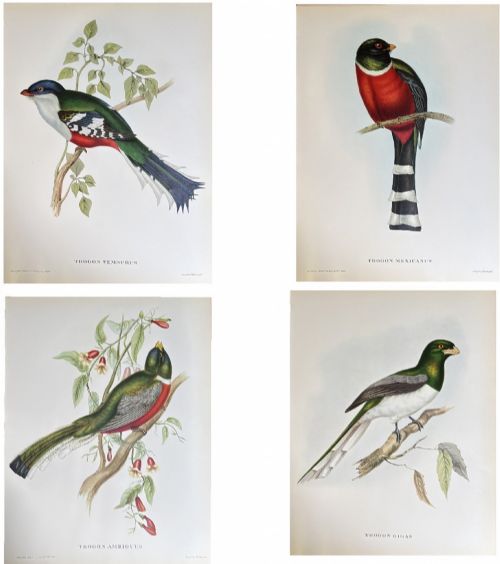
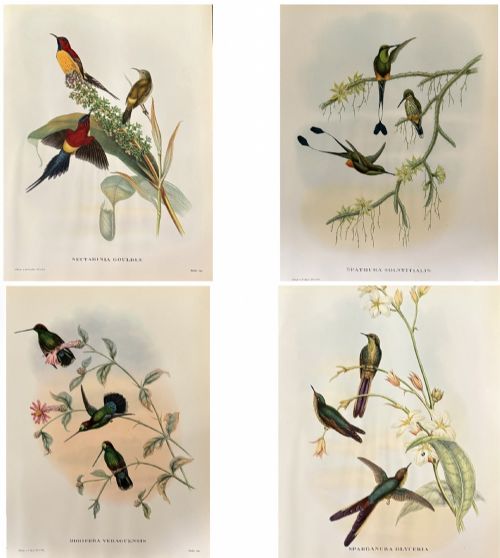
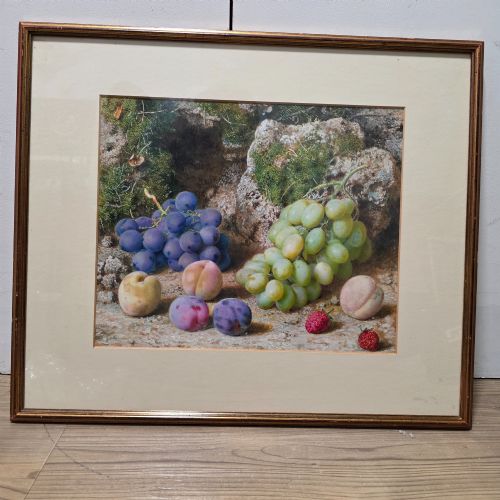
Works in this category rely heavily on traditional drawing and painting media such as watercolour, gouache, ink, and oil paint applied to paper, canvas, or wood panels. Engraving and lithography also feature prominently for botanical and ornithological studies.
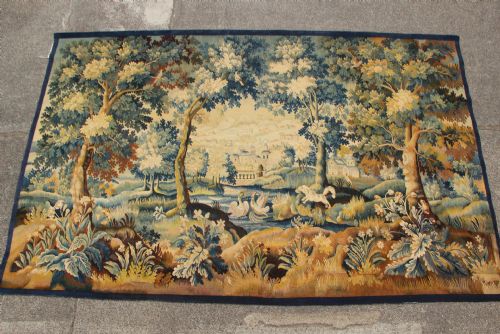
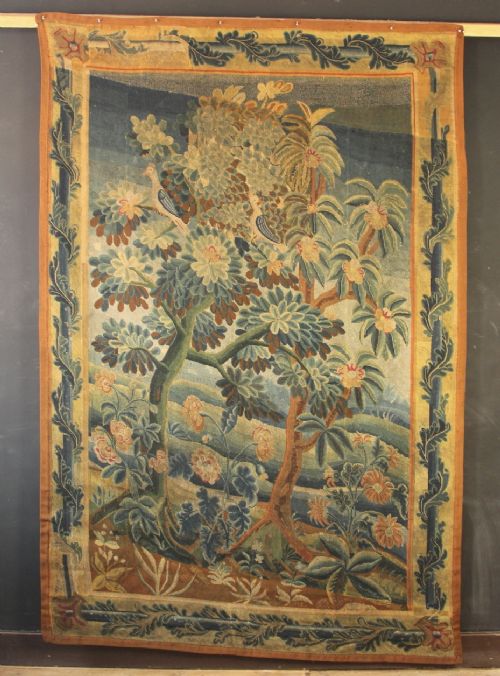
Substantial textile pieces utilise weaving methods seen in traditional European tapestries and batik panels. Support frames and glass protection preserve these diverse surfaces against environmental wear.
Even parrots find their way into the greenery, peering out from eighteenth-century lithographs amongst the foliage.
Judging the work
The standard of a piece rests upon the precision of the draftsmanship and the handling of the chosen medium. Delicate botanical studies require exacting detail, whereas oil paintings depend on the confident layering of pigment.
Condition and originality dictate the standing of individual items within the market. Intact framing, vibrant pigment retention, and clear attribution to known painters or printmakers elevate the stature of surviving examples.
Irene Christobelle Pownoll Williams·Konstantin Stoitzner·Raymond Booth·Ernest Arthur Rowe·John Sherrin·Owen Bowen·James Tower·Winifred Turner·Vincent Clare·Lilian Stannard·William Hough·John Curtis·Emily Selinger·Georg Wolfgang Knorr
The Green Botanical Wall Art Glossary
- Gouache
- An opaque watercolour medium used extensively in botanical studies to achieve dense, matte colour blocks. It allows artists to build bright highlights over darker washes.
- Lithography
- A planographic printing process utilising stone or metal plates to produce multiple exact impressions. Coloured lithographs often received subsequent hand-tinting.
- Engraving
- A printmaking technique where an image is incised directly into a metal plate using a sharp tool. This method produces crisp, enduring lines suited to scientific illustration.
- Verdure tapestry
- A large wall hanging woven with predominantly green foliage and landscape motifs. These textiles typically date from European historic workshops.
- Pith paper
- A delicate porous material prepared from the pith of the Tetrapanax papyrifer plant. It provides a unique absorbent surface for traditional Asian gouache paintings.
Green Botanical Wall Art: Frequently Asked Questions
What periods do these pieces cover?
The available selection spans from the eighteenth century through to the mid-twentieth century. Pieces reflect prevailing design trends of their respective decades.
Earlier items tend towards precise scientific illustration, while later twentieth-century works adopt more expressive modernist approaches.
How should I hang heavy oil paintings?
Large oil paintings on canvas or panel require secure wall anchors suited to the weight of the wooden frame. Professional picture hooks distributed across the load-bearing structure ensure stability.
Keep heavier works away from direct sunlight and damp environmental conditions to protect the underlying support.
Are engraved botanical studies originals?
Period engravings are original antique prints pulled from historic plates during the eighteenth or nineteenth centuries. Many feature hand-colouring applied subsequent to the initial printing process.
Publishers often gathered these plates into bound botanical volumes before later breaking them for individual framing.
How do I care for antique works on paper?
Works executed on paper need protection from direct ultraviolet light to prevent the fading of watercolour pigments and inks. Acid-free mounting materials prevent the paper from yellowing over time.
Glazing with conservation glass shields the delicate surface from airborne pollutants and moisture damage.