
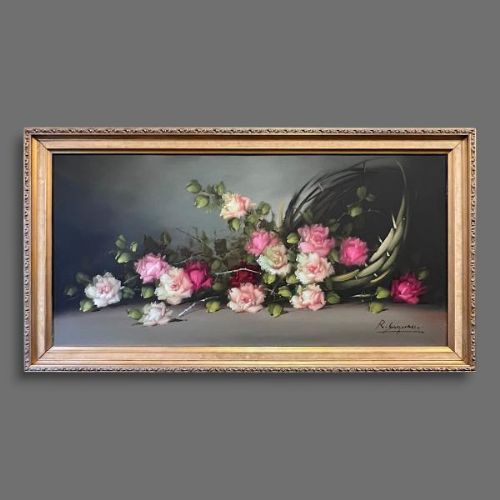
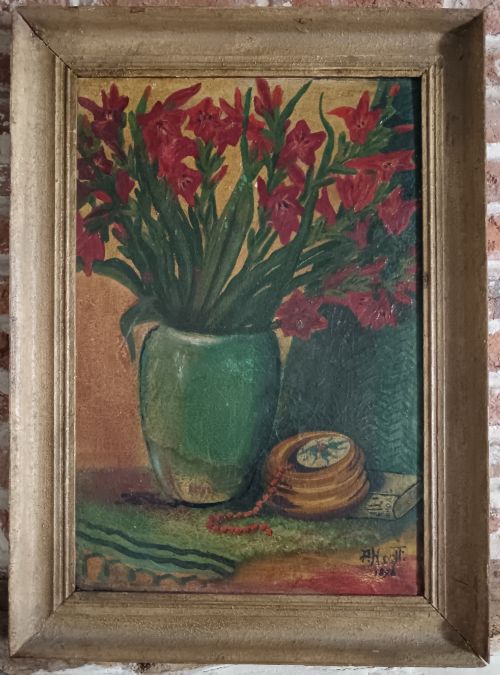

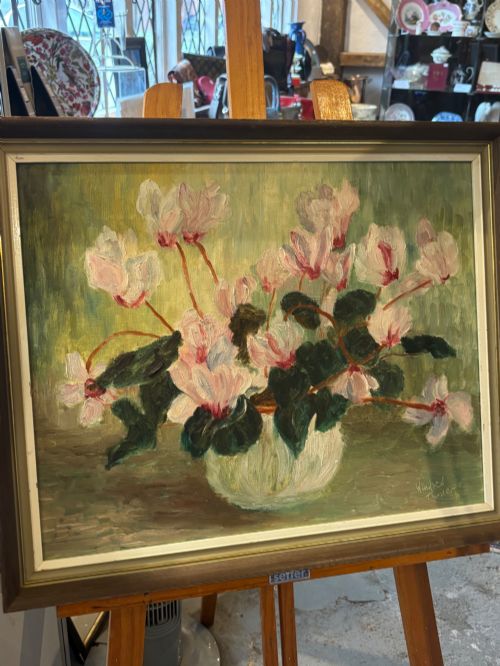


Green Botanical Oil Painting
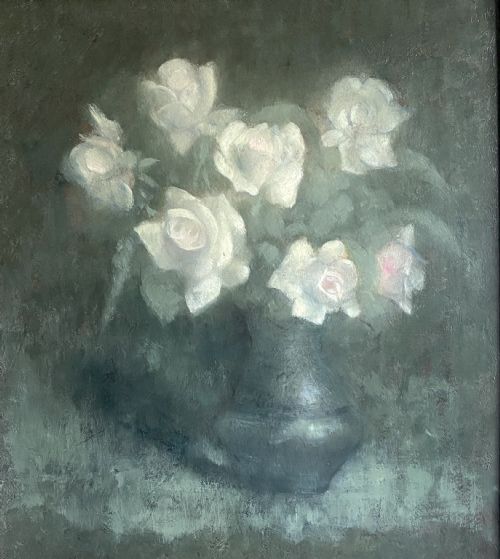
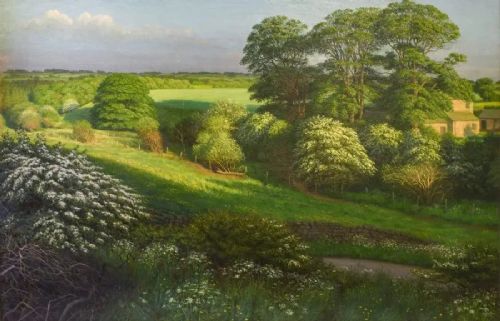
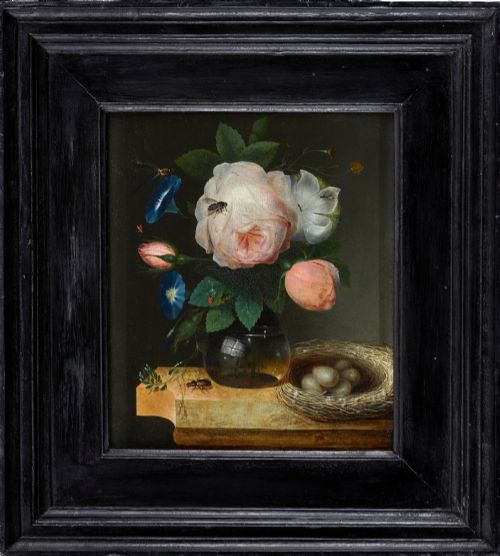
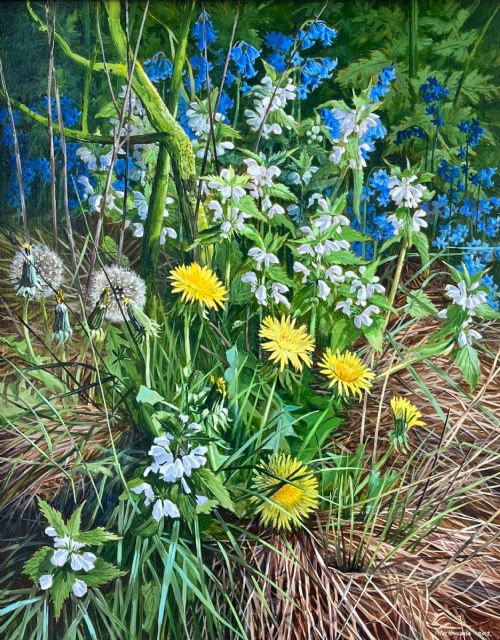
A green botanical oil painting captures the quiet structure of stems and leaves, bringing natural form into a room through oil paint.
Green Botanical Oil Painting
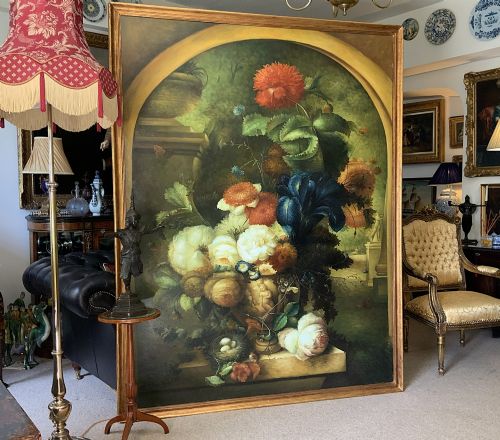
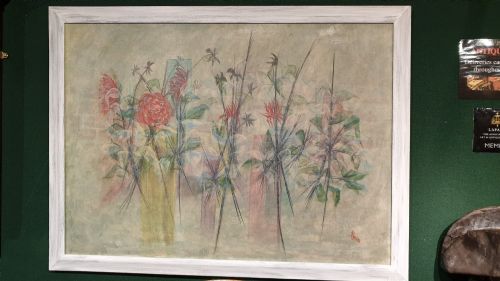
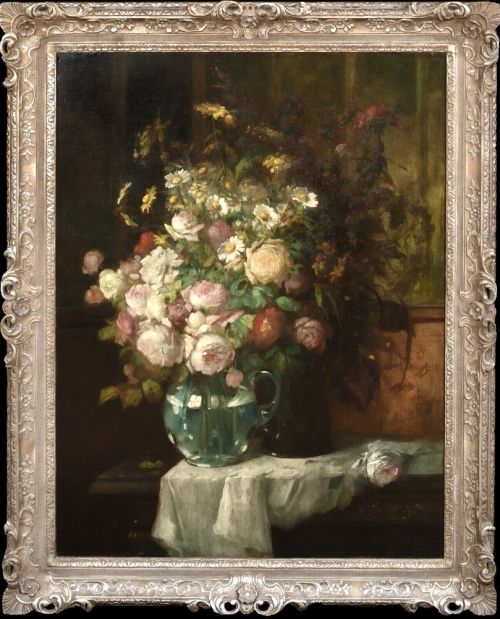
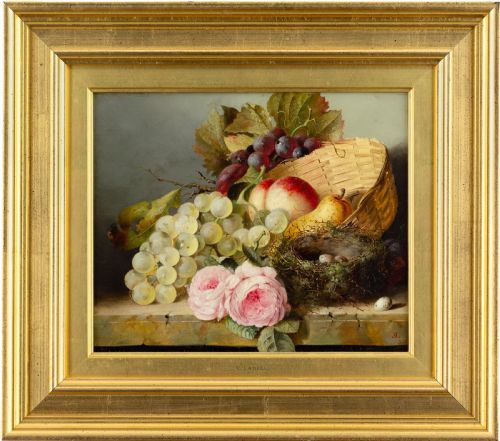
A green botanical oil painting focuses on plant life, flowers, and foliage rendered in oils, spanning periods from the nineteenth century through the mid-twentieth century. When searching for a green botanical oil painting, buyers encounter works ranging from Victorian still lifes to mid-century modern interpretations of flora.
The subjects appear on various supports including canvas, oil on canvas, and oil on board, often housed in wooden or gilded wood frames. Styles shift from traditional Dutch baroque revival and impressionism to post-impressionism and twentieth-century realism.
Pieces on this page originate from diverse hands, including named artists and regional painters working across Britain, France, and Austria. The forms vary from intimate studies of single stems to monumental floral arrangements.
How They Were Made
These works rely on oil paint applied to prepared canvas, board, or wood panels, allowing artists to build depth through layered brushwork and pigment blending. The medium provides rich opacity and subtle shifts in tone, which helps capture the nuanced greens of leaves and foliage.
Many canvases sit within wooden frames, occasionally embellished with gold leaf or gilded wood to complement the painted composition. The physical support dictates the texture of the surface, with coarse canvas weaves contrasting against smooth board supports.
The listings span the nineteenth century through the mid-twentieth century, utilising canvas, board, oil paint, and gilded wood.
What Varies in Quality
Quality rests in the handling of light across botanical forms and the structural integrity of the brushwork within the foliage. A stronger piece demonstrates confident command of tone within green pigments, defining shadow and highlight without muddying the composition.
The harmony between the painted subject and its original or period frame contributes to the overall cohesion of the piece. Superior examples maintain stability in the paint layer and canvas tension, reflecting careful preservation across generations.
Mark Ingram·Konstantin Stoitzner·Edward Ladell·Raymond Booth·Gaspar Peeter Verbruggen·Peter Newcombe·Winifred Turner·William Duffield·Vincent Clare·Horst·Henry Schouten·L. Wilford·Emily Selinger·Edgar Bundy·Oliver Clare·Cuthbert Edmund Swan·George Lance·Jules Felix Ragot
The Green Botanical Oil Painting Glossary
- Oil paint
- A slow-drying paint made by combining pigments with a drying oil, typically linseed oil. This medium allows artists to blend tones smoothly and build rich surface textures.
- Canvas
- A heavy woven fabric used as a surface for painting, typically stretched over a wooden frame. It provides a flexible and durable ground for oil applications.
- Impressionism
- A nineteenth-century art movement characterised by relatively small, thin yet visible brush strokes and an emphasis on accurate depiction of light. Painters of this style captured transient effects of natural illumination.
- Gilded wood
- Wood surfaces treated with a thin layer of gold leaf or metallic powder. This technique adds decorative brilliance to picture frames surrounding botanical works.
Green Botanical Oil Painting: Frequently Asked Questions
How should I hang a botanical oil painting?
Hang these paintings away from direct sunlight and excessive moisture to protect the oil paint and canvas support.
Ensure the wall can support the weight of the wooden or gilded frame accompanying the artwork.
How do I identify the period of an oil painting?
Examine the materials of the stretcher bars, the type of canvas or board, and the style of the wooden frame.
Signatures, framing techniques, and the preparation of the reverse side often provide clues to the era of creation.
Are these paintings original works?
The listings comprise original fine art paintings executed by hand rather than mass-produced prints.
Each piece reflects the individual hand of the artist working in oils during their respective period.