




Victorian Wildlife Oil Painting
A victorian wildlife oil painting captures nature's fierce beauty on canvas, bringing grand sporting scenes and intimate animal studies straight into a room.
Victorian Wildlife Oil Painting
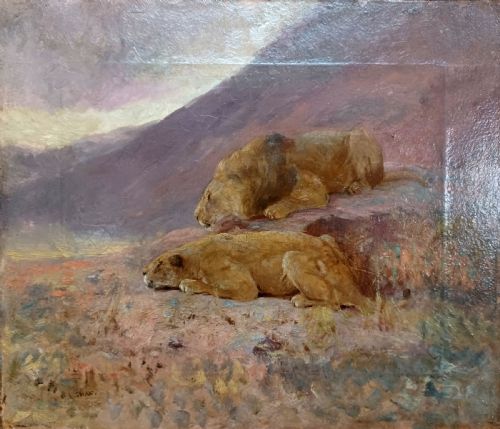
When you search for a victorian wildlife oil painting, you are looking at nineteenth-century works depicting animals, birds, and sporting subjects. These pieces capture creatures in natural habitats, from stalking predators to birds in flight.
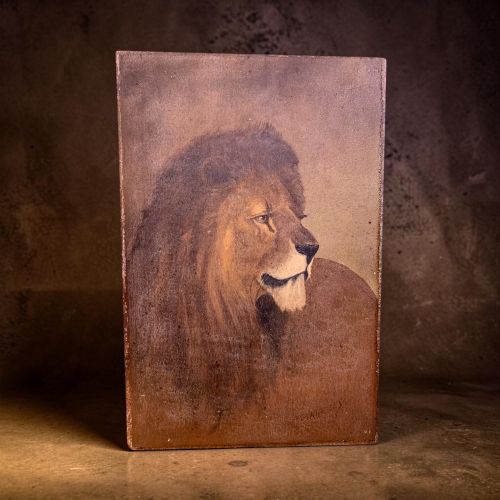
You are most likely to meet canvases featuring lions, bears, stags, foxes, and ducks painted during the nineteenth century. These range from naïve folk art portraits to detailed studies signed by listed artists.
The subjects draw upon Victorian animalier, sporting art, and highland romanticism, reflecting a period fascinated by natural history and the wilderness. Each canvas preserves a specific observation of animal behaviour on canvas.
How they were made
These works are painted in oil paint on woven canvas supports, utilising traditional layering techniques to build depth and texture. Painters applied pigments to capture the sheen of fur, feathers, and natural landscapes.
Many of these oil paintings retain their original gilt wood frames finished with gold leaf, which complement the dark tones of the canvases. The combination of oil on canvas within gilded wooden surrounds defines the physical object.
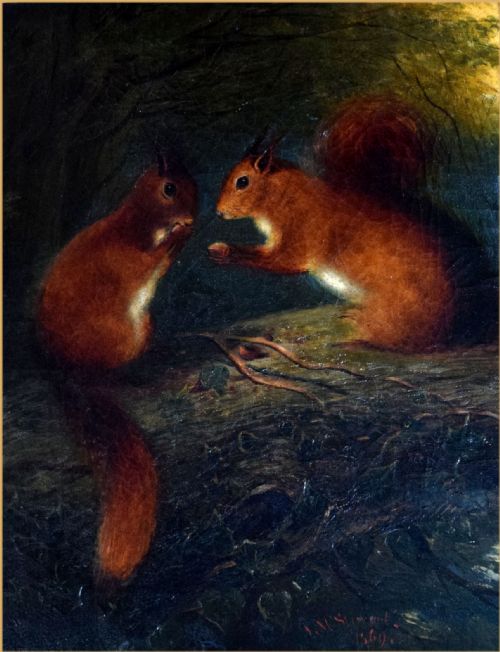
Squirrels and lions share the exact same century on this page, proving Victorian artists found drama in both treetops and the wilderness.
What varies in quality
Quality rests in the anatomical accuracy of the animals and the handling of light within the landscape. A stronger piece demonstrates careful observation of muscle structure, movement, and atmospheric depth at dusk or in the countryside.
The distinction also lies in authorship and composition, separating naive folk art expressions from academic works by named painters. The presence of a signature, stamp, or documented provenance elevates a canvas within the period.
George Armfield·Cuthbert Edmund Swan·Thomas Blinks·Geza Vastagh·William Crampton·James Malcolm Stewart
The Victorian Wildlife Oil Painting Glossary
- Animalier
- A term for art that concentrates on the representation of animals. This genre gained prominence during the nineteenth century.
- Canvas
- A heavy woven fabric used as a surface for oil painting. It is typically stretched over a wooden frame before work begins.
- Gilt Wood
- Wood that has been decorated with a thin layer of gold leaf or metallic powder. It frames many nineteenth-century oil paintings.
- Highland Romanticism
- An artistic style celebrating the wild landscapes and fauna of Scotland. Stags and rugged terrain frequently appear in these compositions.
- Sporting Art
- Depictions of rural sports, hunting, and game animals. These works often record specific moments from field sports.
Victorian Wildlife Oil Painting: Frequently Asked Questions
What subjects appear most often?
These works feature lions, stags, foxes, bears, leopards, and various birds set within landscapes or natural habitats.
Artists focused on both predatory interactions and quiet moments of feeding or flight.
How do I identify the period?
Check the canvas construction, stretcher frames, and the style of the gilt wood framing for nineteenth-century characteristics.
Signatures, stamps, and artist biographical dates further confirm the nineteenth-century origin.
Where should I hang one?
These oil paintings suit traditional studies, libraries, or living spaces with adequate wall space for framed canvases.
Keep them away from direct sunlight and excessive moisture to protect the oil paint and canvas.
What is naive folk art?
Naive folk art describes pieces created by self-taught painters working outside academic traditions.
These works offer a charming, direct perspective on animals compared to formal nineteenth-century academic art.