




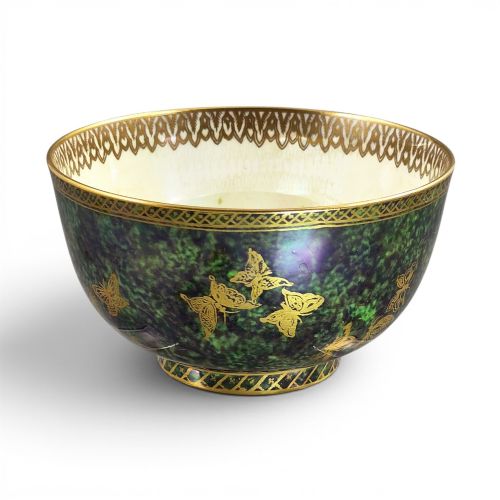
Green Art Pottery
Green art pottery brings together rich ceramic glazes and fluid decorative forms spanning the Victorian era through the 1930s.
Green Art Pottery
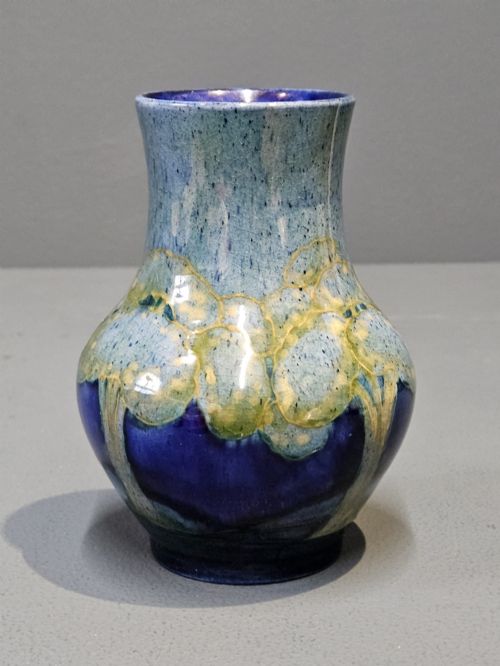
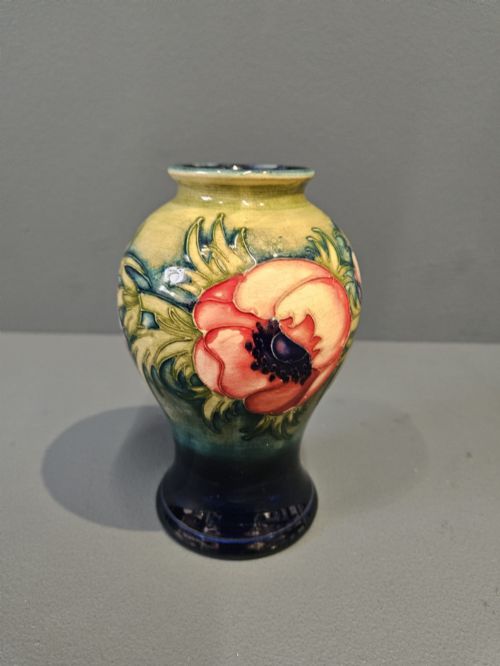
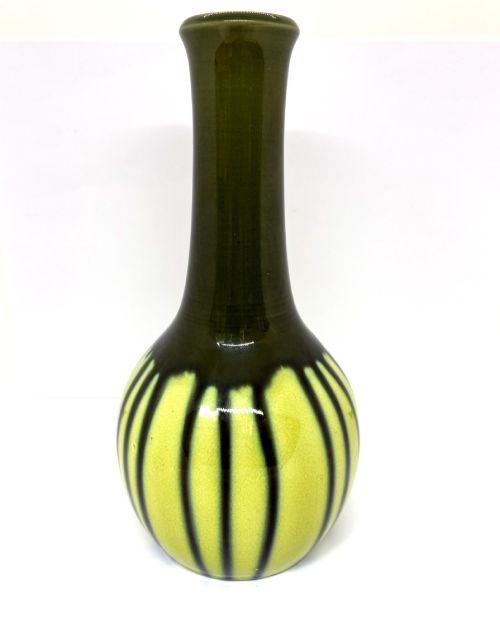
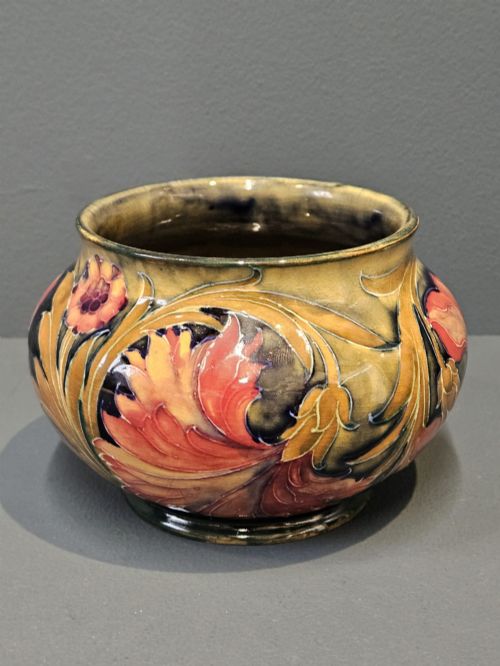
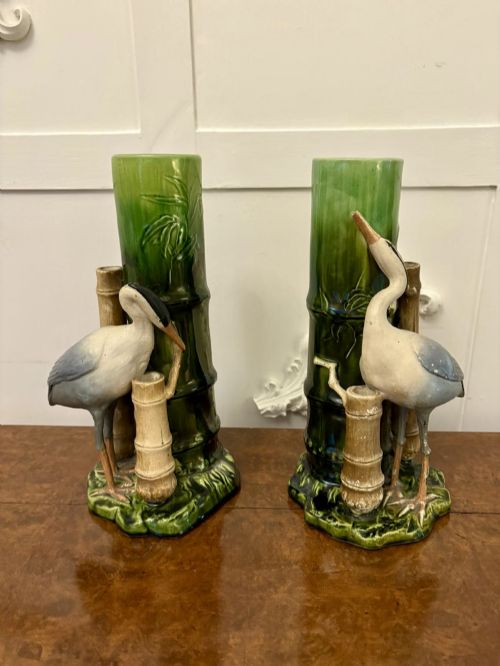
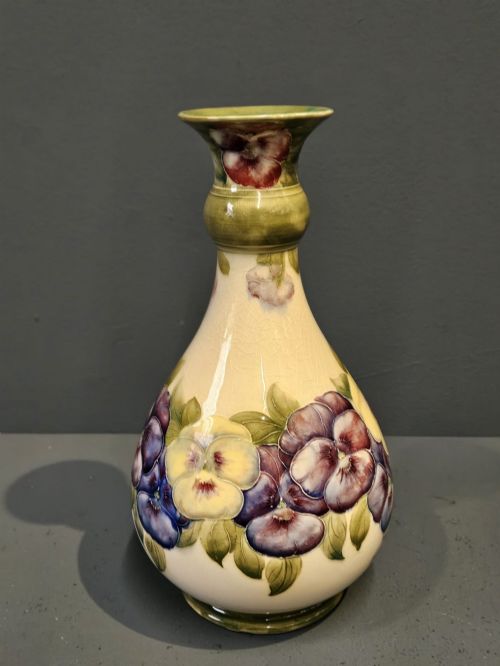
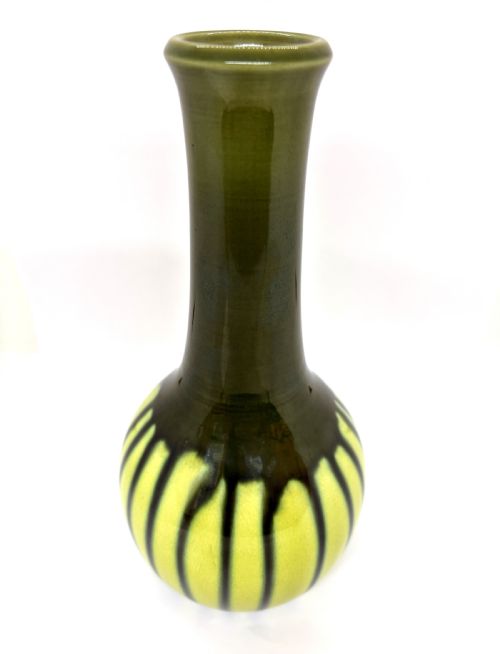
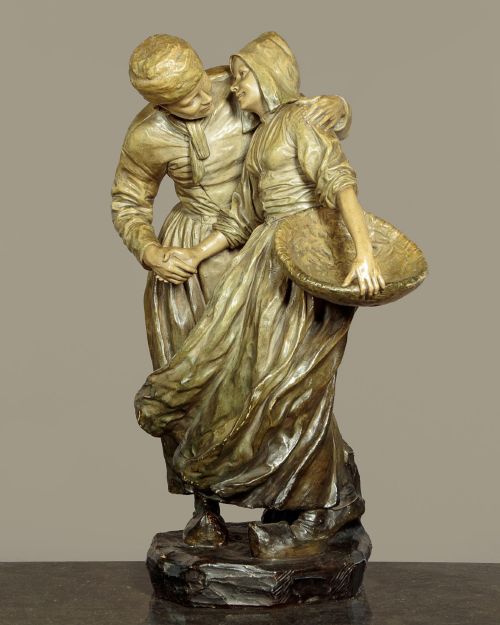
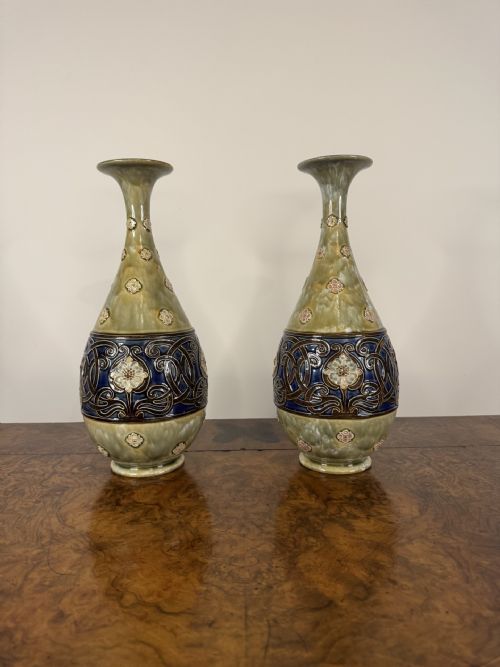
When you search for green art pottery, you encounter a diverse array of utilitarian and decorative objects originating primarily from British and European kilns. The pieces range from monumental stoneware ewers and jardinieres to delicate porcelain vases, decorative bowls, and figurative sculptures.
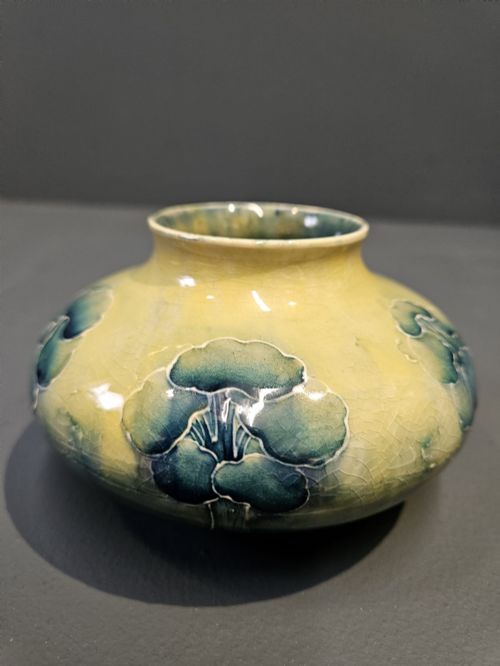
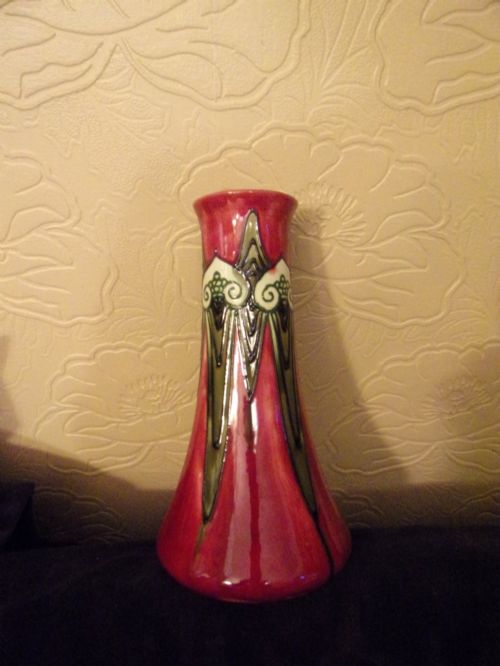
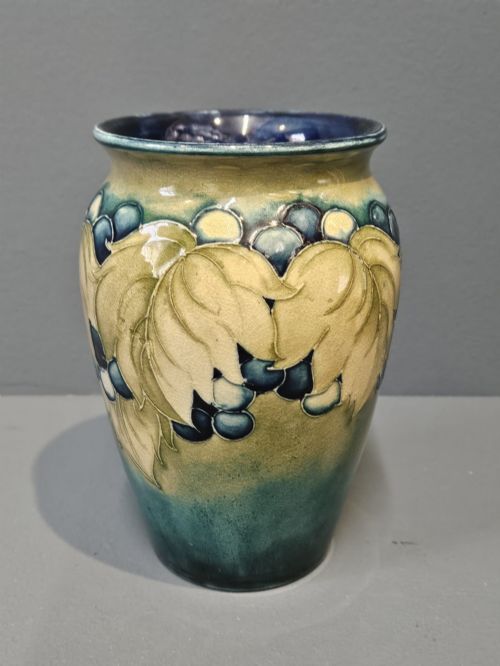
The aesthetic is dominated by the organic lines of Art Nouveau, the geometric clarity of Art Deco, and the textured surfaces of the Arts and Crafts movement. You are most likely to meet glazed earthenware and stoneware vases decorated with naturalistic motifs, alongside specialised studio pottery jugs and planters.
How They Were Made
The makers utilised a foundation of earthenware, stoneware, or porcelain, shaped on the potter's wheel or cast in moulds to achieve sculptural forms such as baluster vases, ewers, and figurative groups. Potters applied rich mineral glazes, sometimes incorporating slip trailing or tube-lining to create raised outlines that held pools of translucent colour.
Techniques varied from the salt-glazed stoneware of Doulton Lambeth to the lustrous metallic finishes of Pilkington's Royal Lancastrian and Wedgwood. Many works required multiple firings in kilns to fix intricate underglaze painted decoration and specialised surface effects.
Green Art Pottery Retail Price Guide 2026
Typical asking prices for green art pottery among the pieces listed under this phrase on Sellingantiques today, from the lower quarter to the upper quarter. They describe what is for sale here now, not the wider market.
Listings feature earthenware, stoneware, and porcelain objects decorated across the Victorian, Edwardian, Art Nouveau, and Art Deco periods.
What Varies in Quality
Quality rests upon the crispness of the modelled form, the depth and control of the glaze, and the sureness of the hand in painted or tube-lined decoration. Superior works demonstrate deliberate harmony between the ceramic body and the green glaze palette, whereas lesser pieces display flat surfaces and muddy tones.
The reputation of the designer and the prestige of the pottery or studio also determine standing, with documented pieces by notable ceramicists showing greater refinement in potting and decorative execution.
Bretby·Moorcroft·Royal Doulton Lambeth·Minton·Burmantoft s Pottery·Goldscheider·Charles Vyse·W A Adderley·William Yale·TG Green·Sir Edmund Elton·Makuzu Kozan·Le Manceau·Julius Dressler·Mabel Lucie Attwell Shelley·Ernst Wahliss for Turn Vienna·Richard Joyce·Denby Ware·Brannam Art Pottery
The Green Art Pottery Glossary
- Earthenware
- A porous ceramic body fired at lower temperatures, requiring an impermeable glaze to hold liquids. It forms the base for much Victorian and Edwardian decorative pottery.
- Stoneware
- A dense, vitrified ceramic fired at high temperatures until non-porous and extremely durable. Doulton Lambeth utilised this material for robust ewers and vases.
- Tube-lining
- A decorative technique where liquid clay slip is squeezed through a nozzle onto the ceramic surface to create raised outlines for enamel colours. William Moorcroft employed this method extensively.
- Faience
- Tin-glazed earthenware associated with French and European decorative traditions. It provides a smooth white ground for painted botanical and abstract designs.
- Lustre
- A metallic glaze finish that creates an iridescent sheen when fired in a reduced oxygen atmosphere. Richard Joyce and Daisy Makeig-Jones utilised this technique for Royal Lancastrian and Wedgwood.
Green Art Pottery: Frequently Asked Questions
What is green art pottery?
Green art pottery encompasses decorative ceramic items produced during the late nineteenth and early twentieth centuries featuring prominent green glazes. These pieces reflect design movements such as Art Nouveau, Arts and Crafts, and Art Deco.
They include functional vessels like vases, jardinieres, and jugs, as well as sculptural plaques and figurines created by major potteries and independent studios.
How do I identify Art Nouveau pieces?
Art Nouveau ceramics are characterised by flowing, whip-like organic lines, botanical motifs, and sinuous plant forms. The glazes often mimic natural tones, with rich greens and blues dominating the palette.
Look for sculpted handles shaped like stems or tendrils, and forms that appear to grow organically rather than following strict geometric rules.
Where were these ceramics made?
The pieces originate primarily from established British potteries in Staffordshire, London, and the West Country, alongside notable European workshops in France and Austria. Regional hubs developed distinct techniques, such as the salt-glazed stonewares of London and the slip-decorated wares of provincial studios.
International influences also appear, including Japanese ceramics that inspired Western makers during the Aesthetic Movement.
How should I display them at home?
Display these ceramics in well-lit areas where natural light can catch the variations in the green glazes and surface textures. Placing vases or jardinieres on plain wooden or stone surfaces allows their organic forms to stand out without visual clutter.
Keep them away from direct heat sources and handle them carefully by the body rather than delicate handles or rims.