


Green Textile
A green antique textile brings centuries of woven artistry, verdant tapestries, and embroidered wool into contemporary interiors.
Green Textile
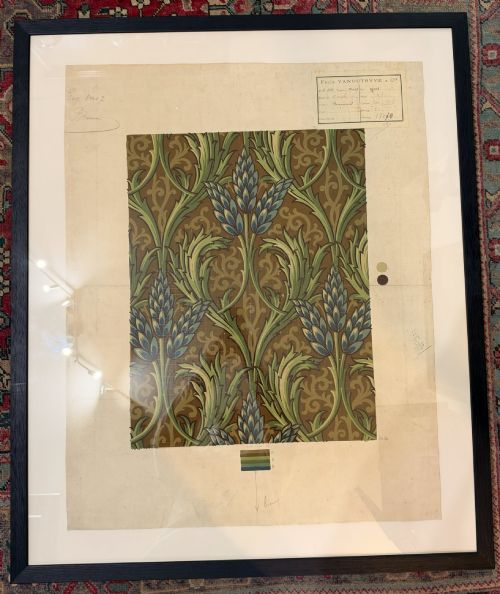
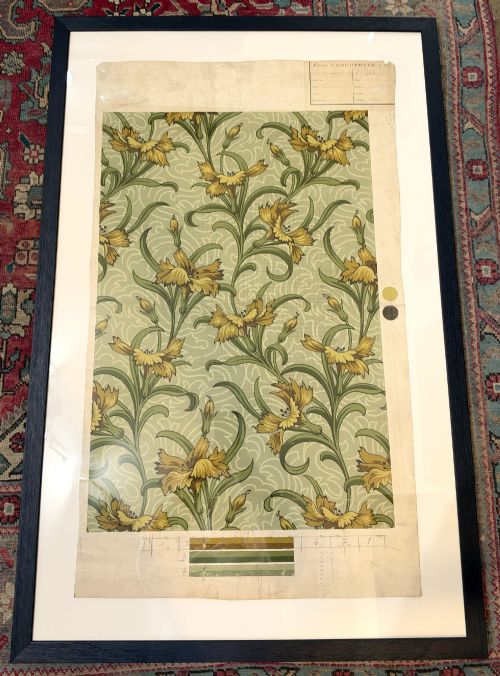
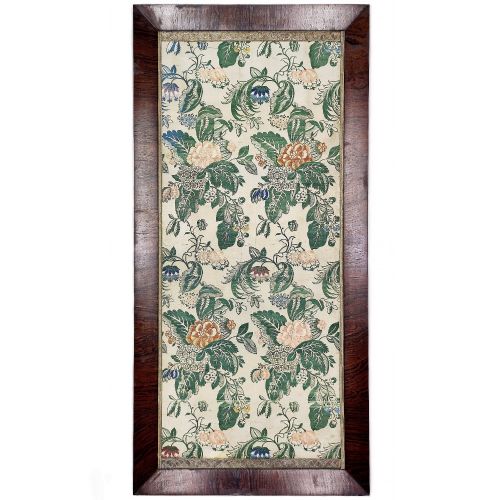
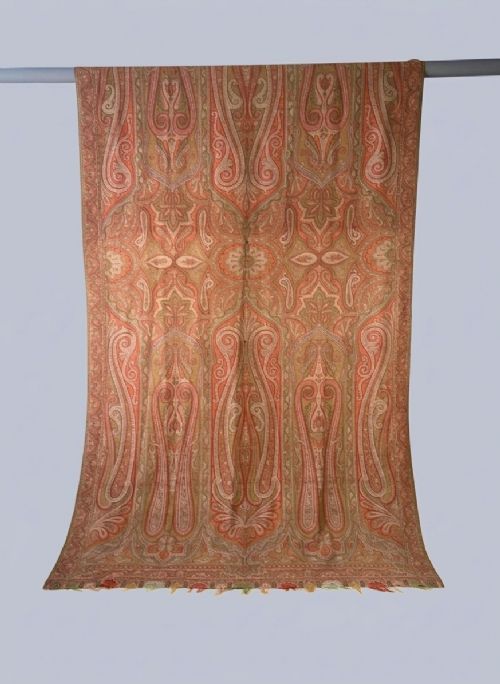
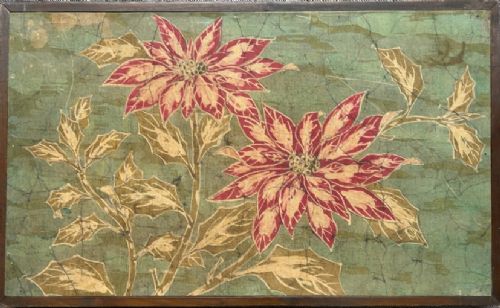
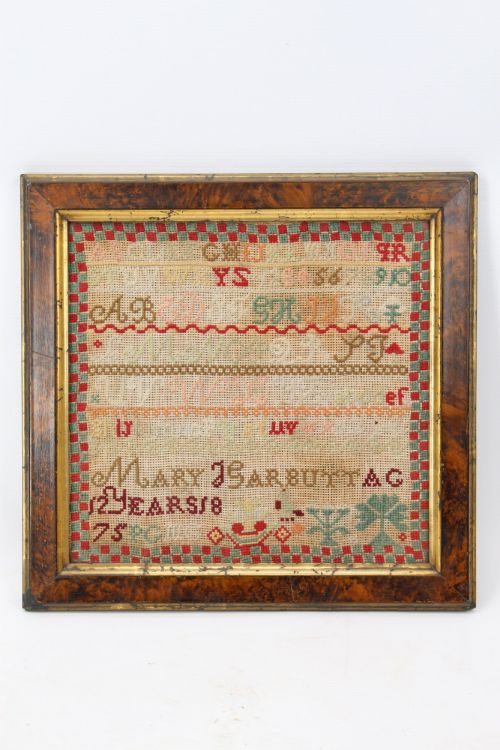
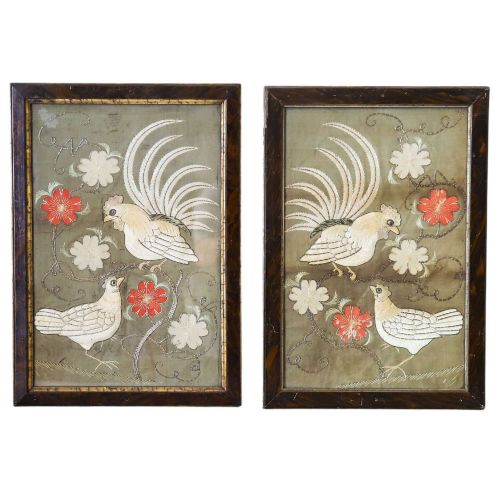
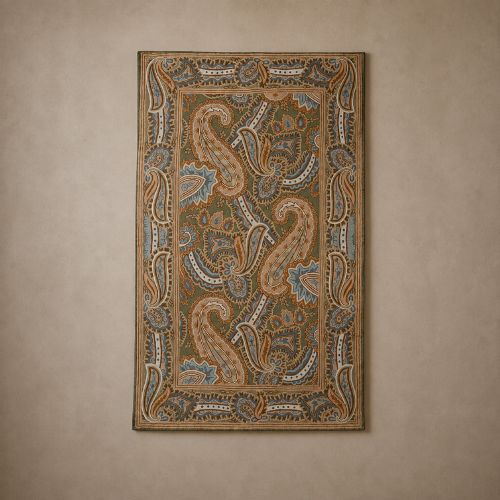
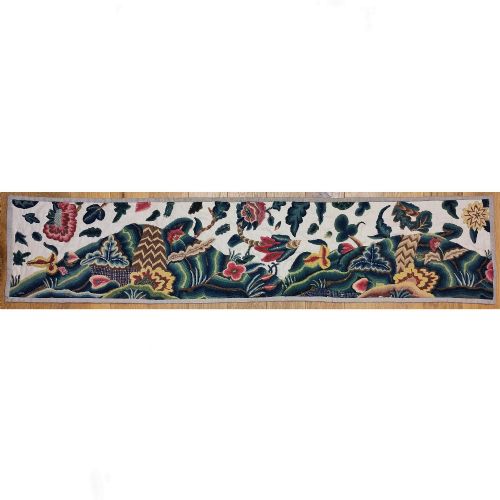
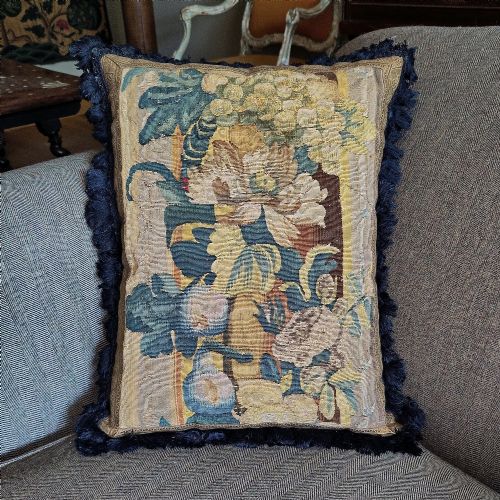
A green antique textile encompasses wall tapestries, needlework samplers, cushions, and embroidered panels originating from the seventeenth century through to the early twentieth century.
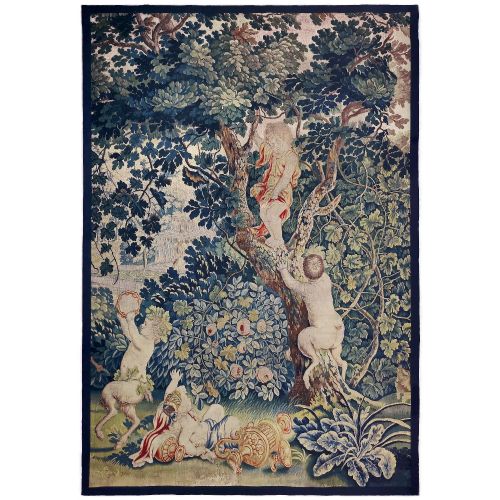
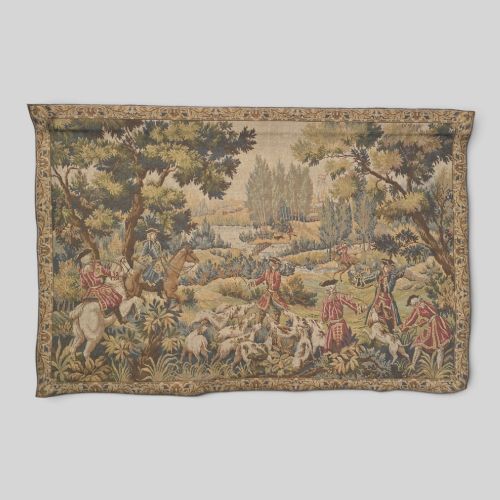
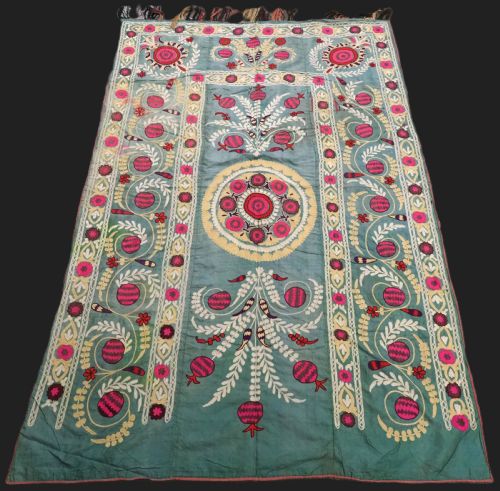
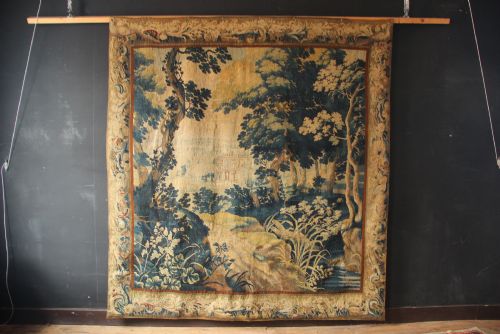
The selections span from Flemish verdure wall hangings to French Aubusson panels, English band samplers, and Suzani bed covers.
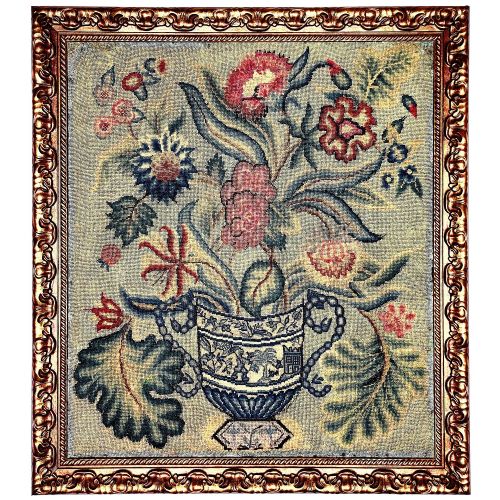
Buyers encounter everything from large pastoral landscape hangings to small framed needlework pictures and fragments mounted in wood or glass frames.
How they were made
Craftspeople utilised natural fibres including wool, silk, linen, and cotton, often worked with silk thread or canvas grounds.
Techniques range from hand-weaving on looms for tapestries to intricate needlework, crewelwork embroidery, and gros-point stitching.
Green Textile Retail Price Guide 2026
Typical asking prices for green textile among the pieces listed under this phrase on Sellingantiques today, from the lower quarter to the upper quarter. They describe what is for sale here now, not the wider market.
Listings feature textiles spanning the 17th, 18th, 19th, and early 20th centuries, created in wool, silk, linen, and cotton.
What varies in quality
The distinction lies in the fineness of the needlework density, the complexity of the woven pictorial design, and the survival of the original material.
Pieces retaining rich botanical dye colours, particularly verdant greens, and intact structural borders represent the higher tier of surviving textile art.
The Green Textile Glossary
- Verdure tapestry
- A wall hanging depicting a stylised landscape, foliage, or garden scene, frequently dominated by green tones. These scenes often incorporate trees, shrubs, and occasional animals.
- Sampler
- A piece of needlework produced by a maker to demonstrate proficiency in various stitches and alphabets. Many examples record the name and age of the maker alongside a date.
- Suzani
- A type of embroidered and decorative tribal textile produced in Tajikistan, Uzbekistan, and other parts of Central Asia. They are traditionally worked with silk thread on a silk or cotton ground.
- Aubusson tapestry
- Woven wall hangings originating from the French town of Aubusson, known for pastoral and floral motifs. They reflect classical French decorative styles.
- Crewelwork
- A type of embroidery utilising wool yarn to create textured surface patterns on a sturdy fabric foundation like linen or twill. It appears frequently on historical panels and wall hangings.
Green Textile: Frequently Asked Questions
How do I hang a heavy tapestry?
Large tapestries require weight distribution across a wooden batten or a concealed metal hanging rod rather than single suspension points. This prevents undue strain on ancient fibres and linen backings.
Professional mounting often involves sewing a Velcro or sleeve header to the reverse of the textile, securing the upper edge safely to the support.
Can I clean an antique textile?
Surface dust should be removed gently using low-suction vacuum attachments protected by mesh screening. Wet cleaning risks dye migration and shrinkage in fragile historical fibres.
Specialist textile conservators handle deep cleaning and stabilization when structural degradation occurs. Household washing methods remain unsuitable for these historic materials.
How do I date a sampler?
Many samplers include embroidered dates and the maker's age or name directly within the composition. Stylistic lettering conventions and specific floral motifs help corroborate the era.
Needlework materials and canvas types offer further clues regarding whether a piece originates from the seventeenth, eighteenth, or nineteenth century.
Where should I display textile art?
Textiles last longest when positioned away from direct sunlight and strong artificial spotlights, which fade natural wool and silk dyes. Stable indoor humidity levels prevent mould and fibre brittleness.
Interior spaces with minimal temperature fluctuations suit framed needlework panels and mounted wall hangings best.