


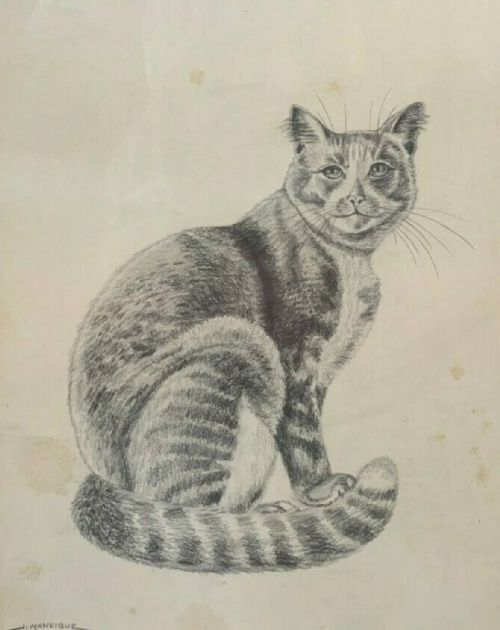

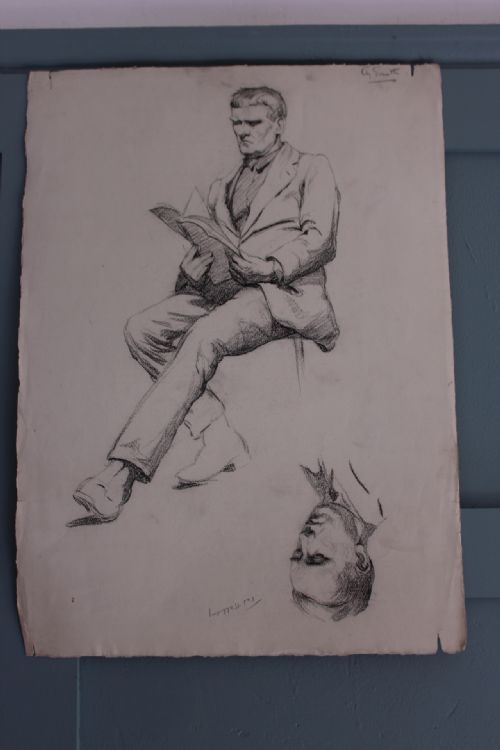


Graphite Pencil Portrait Sketch
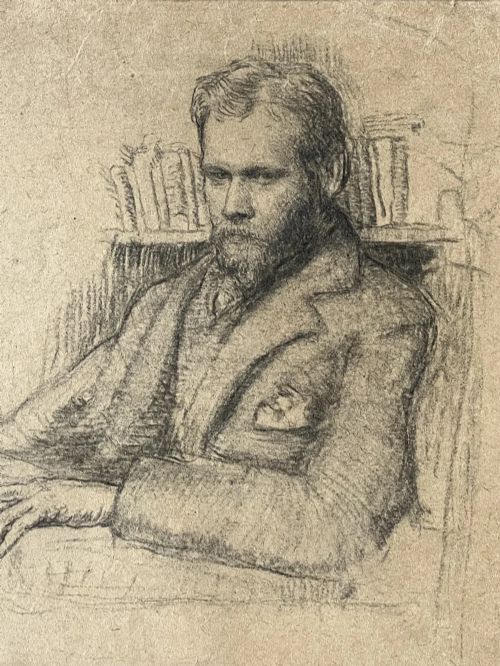
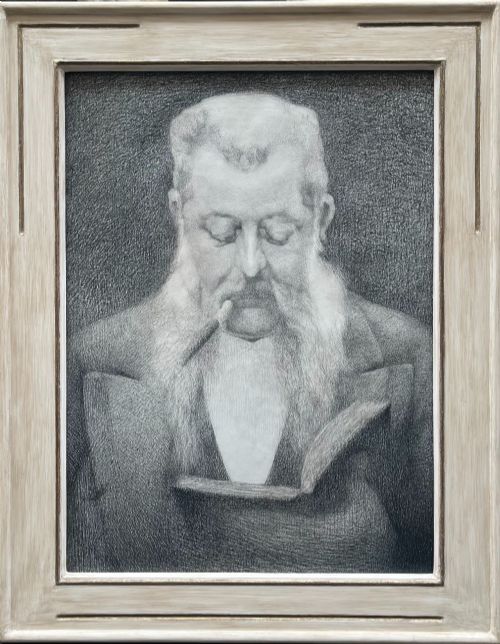
A graphite pencil portrait sketch captures human likeness through subtle line and shadow, offering intimate historical presence for collectors.
Graphite Pencil Portrait Sketch
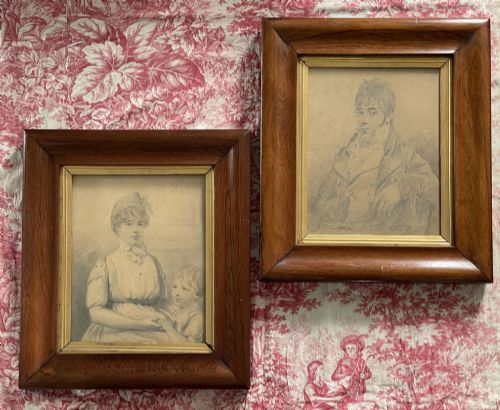
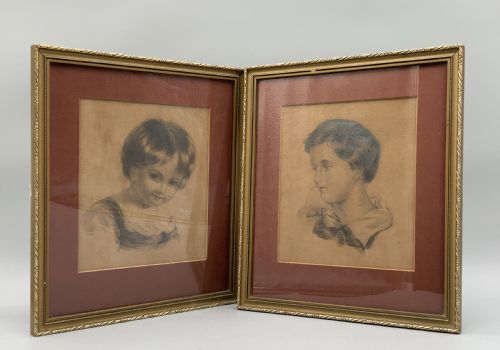
A graphite pencil portrait sketch presents intimate depictions of sitters ranging from Regency couples and young children to notable historical figures and artists' studies. These works appear across various formats, including framed drawings, miniature portraits, and detailed preparatory studies spanning the eighteenth century through to the mid-twentieth century.
The selection includes specific regional and stylistic works, such as Modern British drawings, Symbolist pieces, and nineteenth-century English school portraits. Buyers frequently encounter framed artwork executed on paper, sometimes enhanced with chalk or plumbago, preserving the direct touch of the hand across multiple historical eras.
Materials and technique
Artists utilise graphite and pencil on paper grounds, occasionally combining chalk for tonal depth or employing gold leaf and gilt frames for presentation. Plumbago technique also appears among earlier eighteenth-century works, offering precise, metallic grey linework.
Support materials primarily consist of paper housed behind glass within wooden or gilded frames. The handling varies from rapid observational sketches to highly finished portrait drawings reflecting academic discipline and studio practice.
Listings feature paper supports combined with graphite, chalk, and gold leaf across eras from the eighteenth century to the mid-twentieth century.
What varies in quality
The distinction between standard examples and superior works lies in the psychological depth of the sitter's expression and the surety of the draughtsmanship. Masterful handling of light, shade, and proportion elevates a sheet from a routine record to a compelling psychological study.
Provenance and attribution strongly influence distinction, particularly when works connect to documented artists or identifiable sitters. The preservation of the paper substrate and the integrity of early framing elements further separate exceptional survivals from more common examples.
Augustus John·James Ferguson·Ozias Humphry·J Manrique·Mariette Lydis·Faeq Hassan·Sir Nathaniel Dance-Holland
The Graphite Pencil Portrait Sketch Glossary
- Plumbago
- An early form of graphite drawing popular in the seventeenth and eighteenth centuries, known for its fine detail and grey metallic lustre.
- Symbolist School
- An artistic movement focusing on internal visions, mood, and psychological states rather than literal realism.
- Modern British
- A broad classification for twentieth-century art movements in Britain that embraced both traditional draughtsmanship and progressive tendencies.
- Regency
- The stylistic period spanning the early nineteenth century, noted for particular standards of portraiture and dress.
- Draughtsmanship
- The skill, technique, and proficiency an artist demonstrates in drawing lines and form.
Graphite Pencil Portrait Sketch: Frequently Asked Questions
How should I display graphite sketches?
Display these works away from direct sunlight to prevent the paper ground and pencil lines from fading over time.
Ensure framing utilises conservation-grade materials and glass that blocks ultraviolet light to protect the delicate medium.
What periods do these portraits cover?
The available works span several centuries, beginning in the eighteenth century and extending through the Regency, Victorian, and Edwardian eras into the mid-twentieth century.
Each period reflects distinct clothing, hairstyles, and aesthetic priorities in portraiture.
Are these works signed by the artists?
Some sheets feature artist signatures or contemporary inscriptions identifying the sitter, while others remain anonymous examples attributed to specific schools or periods.
Inscribed details often provide valuable context regarding family histories or the date of execution.
What is plumbago in portraiture?
Plumbago refers to an early graphite medium used to create finely detailed monochrome portraits, particularly during the eighteenth century.
The resulting images have a distinctive silvery-grey tone resembling polished lead.