





Grand Tour Metal Sculpture
A grand tour metal sculpture brings classical antiquity and Renaissance mastery directly into a room as a tactile souvenir of European travel.
Grand Tour Metal Sculpture
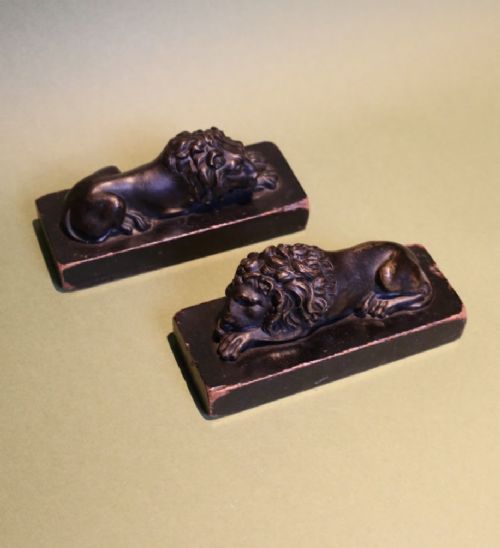
A grand tour metal sculpture typically takes the form of a reduction of a famous classical monument, architectural landmark, or mythological figure. Buyers searching for grand tour metal sculpture encounter works ranging from small desktop statuettes of lions and sphinxes to detailed models of columns, triumphal arches, and antique vases.
The selections span several centuries, with a strong concentration of nineteenth-century French and Italian examples alongside earlier seventeenth-century castings. These objects served as educated souvenirs for travellers collecting mementos of classical sites across Europe.
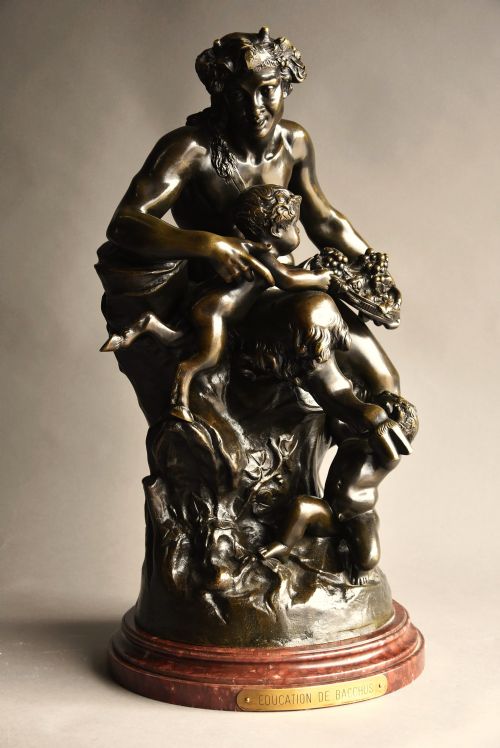
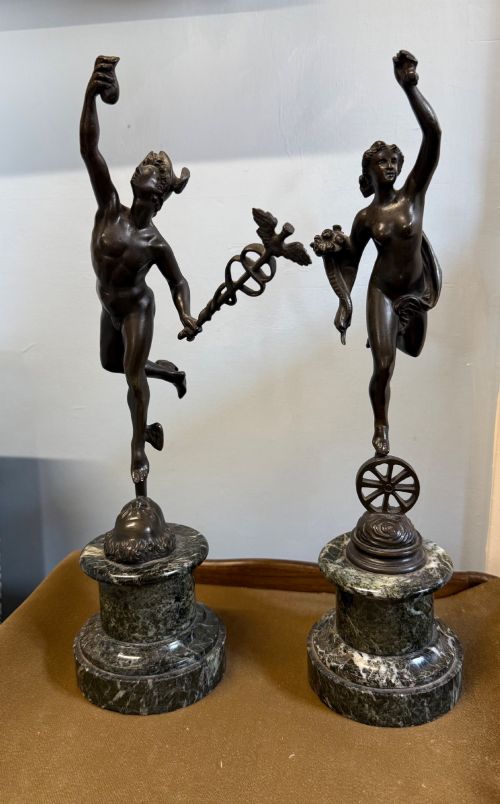
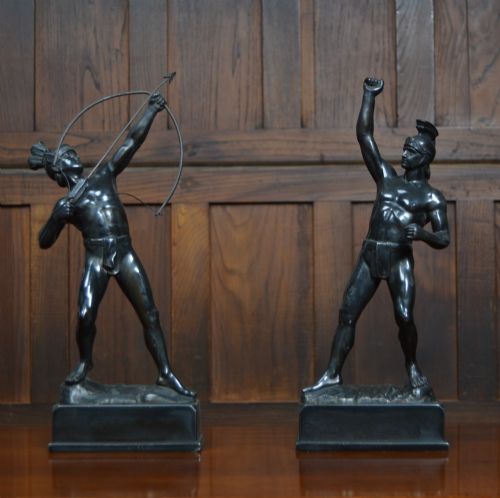
Common subjects include mythological figures, classical deities, historical portraits, and architectural trophies mounted on marble or wood bases. They function as both decorative desk objects and miniature monuments of sculpture history.
How They Were Made
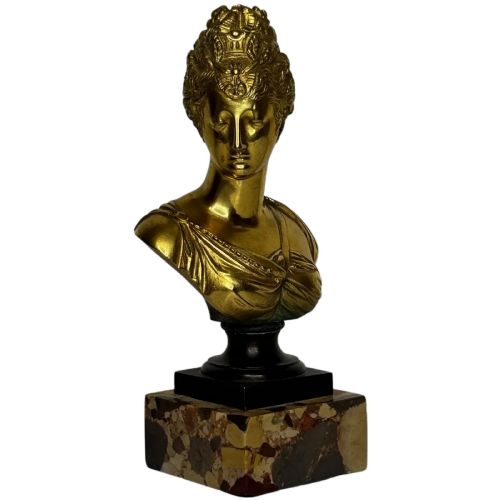
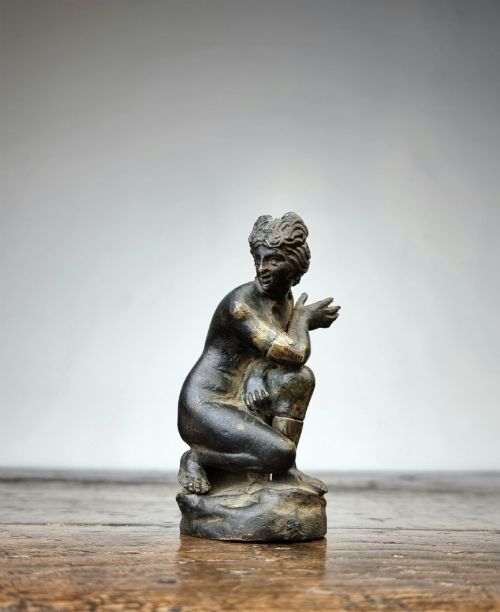
Materials include bronze, gilt bronze, patinated metal, brass, and silvered bronze, frequently paired with black marble or olive wood plinths. Surfaces receive patination treatments, ranging from deep dark tones to bright gilding and green patination, to simulate the appearance of ancient excavated metalwork.
The manufacturing process relies on metal casting techniques to produce reductions of well-known sculptures and architectural models. Chasing and finishing work refines the surface details of the figures, animals, and architectural ornaments before mounting them on stone or wooden bases.
A tiny sleeping chubby cherub cast in bronze keeps watch over quiet library shelves.
What Varies in Quality
Quality depends upon the crispness of the casting and the sensitivity of the chasing work applied to the metal surface. Superior examples retain sharp anatomical definition in figures and accurate architectural details in models of columns and arches.
The choice and finish of the mounting plinth, whether veined marble or turned olive wood, contribute to the overall presentation. The depth, richness, and consistency of the applied patina or gilding separate workshop standards.
Jean Jules Salmson
The Grand Tour Metal Sculpture Glossary
- Patinated bronze
- Bronze treated with chemical solutions to produce a specific surface colour, such as dark brown or green, mimicking the age of antiquities.
- Grand tour
- The eighteenth and nineteenth-century custom of travel through Europe undertaken by upper-class young men to study the arts and classical antiquity.
- Reduction
- A smaller copy of a famous large-scale sculpture or monument, produced in metal for private study or domestic display.
- Gilt bronze
- Metal coated with a thin layer of gold or gold amalgam, providing a bright decorative surface.
- Maquette
- A small preparatory model or sketch made prior to the execution of a larger sculpture.
Grand Tour Metal Sculpture: Frequently Asked Questions
What is a grand tour metal sculpture?
A grand tour metal sculpture is a small-scale replica of a classical monument, antique statue, or architectural landmark produced for travellers in Europe during the eighteenth and nineteenth centuries.
These pieces allowed collectors to bring home portable representations of famous museum sculptures and historical sites to display in private libraries and studies.
How were these sculptures used?
These metal sculptures functioned primarily as decorative desk ornaments, mantlepieces, or cabinet curiosities for educated collectors. They served as physical reminders of a traveller's journey through Italy and France.
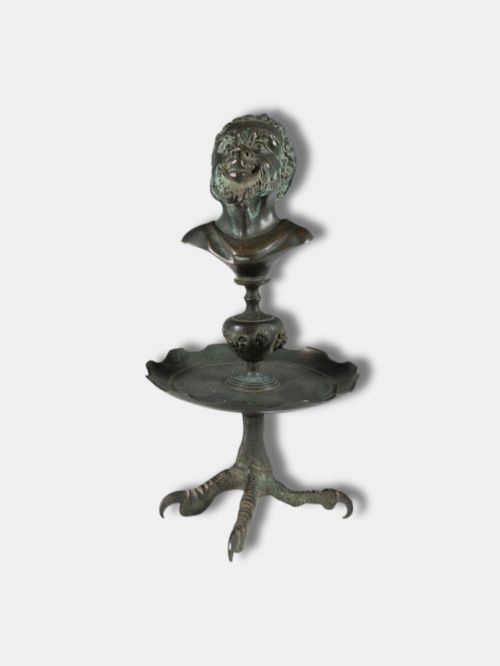
Some objects, such as oil lamps or inkstands, combined sculptural form with practical domestic utility.
How should I clean my bronze sculpture?
Dust the surface gently with a soft, dry brush or a lint-free cloth to prevent accumulation. Avoid using water, oils, or commercial cleaning chemicals, as these substances can strip or damage the historic patina.
Professional conservation advice should be sought if the metal requires deeper cleaning or restoration.
Why are most pieces mounted on marble?
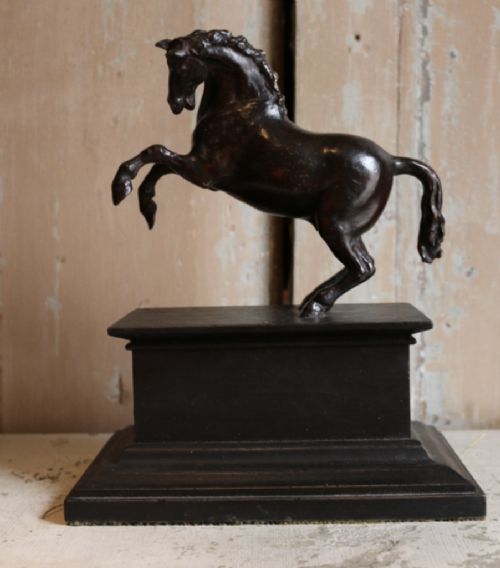
Mounting sculptures on marble or wood plinths provided stability and added a sense of architectural weight to the miniature bronzes. This method of presentation mirrored the display conventions of major museums and private antiquity collections.
Base materials like black marble also provided a strong visual contrast to patinated or gilded bronze surfaces.