


Cast Iron Statue
A cast iron statue brings enduring weight and sculptural presence to garden and interior spaces alike.
Cast Iron Statue
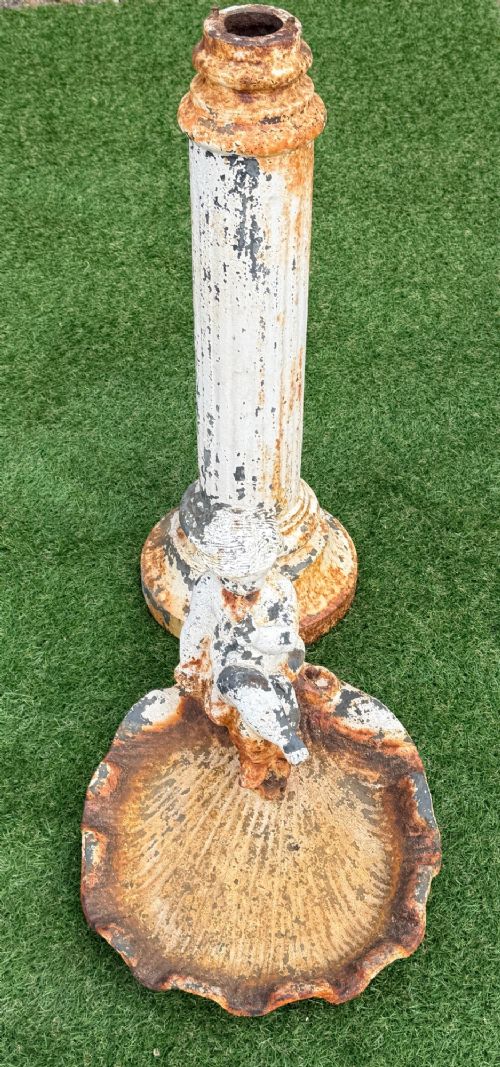
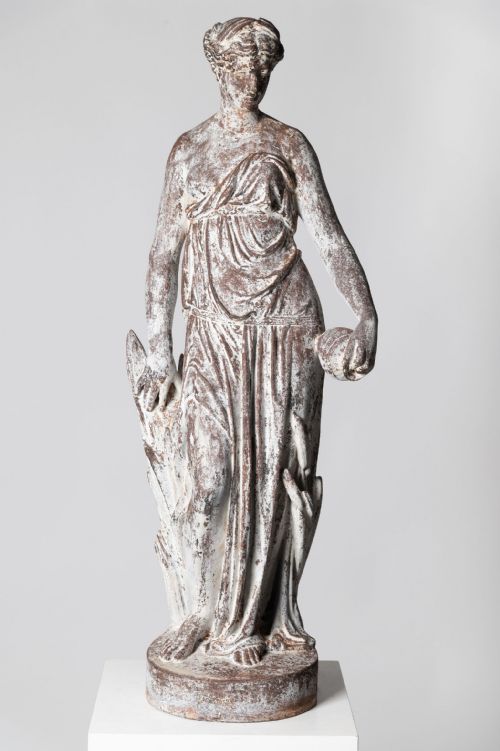
A cast iron statue encompasses robust figures, animals, and architectural ornaments produced across the nineteenth and early twentieth centuries. These pieces range from garden statuary and doorstops to fireplace ornaments and portrait busts in Victorian and Edwardian styles.
The version most likely encountered here is the nineteenth-century garden or interior figure, often finished with historic paint or allowed to weather naturally outdoors. Pieces draw upon neoclassical, Egyptian revival, and animalier traditions.
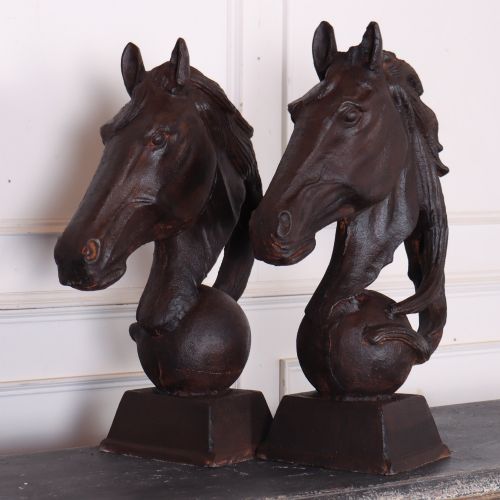
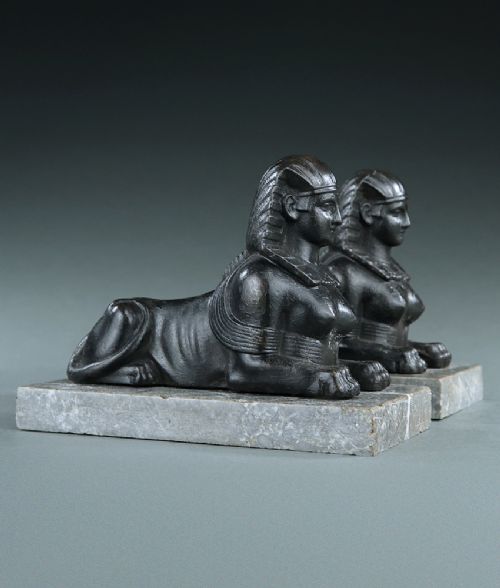
Makers and foundries utilised durable metal to capture intricate detail, from recumbent lions and sphinxes to hunting dogs and human busts on marble plinths.
How they were made
Foundries poured molten iron into sand moulds to create these heavy sculptures, sometimes combining the metal with marble bases, carved stone, or concrete stands. The resulting castings received protective layers of paint, bronze finish patina, or weathered surfaces over decades of exposure.
French and English workshops employed skilled modellers to shape animalier subjects and human figures before casting, ensuring distinct textural details in feathers, fur, and drapery.
Listings feature 19th Century, Edwardian, and 1930 periods alongside materials including cast iron, paint, marble, and concrete.
What varies in quality
The integrity of the ironwork and the balance of associated elements, such as matching pairs or integrated plinths, determine the distinction between standard foundry output and exceptional sculptural works.
Val d Osne foundry·Leonhard Posch·Henri Jaquesmart
The Cast Iron Statue Glossary
- Animalier
- A nineteenth-century artistic style focusing on realistic depictions of animals, particularly dogs, lions, and horses. French foundries frequently utilised this genre for heavy metal castings.
- Hitching post
- A sturdy vertical post featuring a decorative top, such as a horse head, historically used to tether horses. These functional objects now serve as distinct garden and entryway ornaments.
- Egyptian Revival
- An architectural and decorative style drawing upon ancient Egyptian motifs like sphinxes. This aesthetic emerged strongly in nineteenth-century metalwork.
- Patina
- The surface appearance developed through age, handling, or applied finishes such as paint or bronze effects. This layer records the history of the object.
- Recumbent
- Lying down or resting, a common posture for cast iron lions and dogs designed for hearthsides or gateposts.
Cast Iron Statue: Frequently Asked Questions
How do I care for a cast iron statue outdoors?
Cast iron endures exterior placement well when maintained with appropriate protective coatings. Regular checks for moisture accumulation help preserve the painted or weathered surfaces.
Positioning the sculpture on a stable stone or concrete plinth prevents direct contact with damp soil, reducing potential corrosion over seasonal shifts.
Are these statues solid iron?
Most pieces are cast as hollow forms with varying wall thicknesses to manage the overall weight. Larger sculptures incorporate structural bracing or heavy bases like marble plinths for stability.
Heavier items, such as large animal figures or window display pieces, require careful placement due to their substantial mass.
How do I distinguish nineteenth-century pieces?
Nineteenth-century examples display characteristic casting textures, heavy oxidation patterns, and traditional mounting methods associated with Victorian and Edwardian foundries. Details in the modelling reflect the aesthetic conventions of the period.
Comparing surface wear, paint layers, and foundry marks helps clarify the age and origin of individual sculptures.
Can indoor ornaments be placed outside?
Indoor pieces like doorstops, desk ornaments, and fireplace items typically lack exterior protective finishes. Exposure to damp conditions will cause rapid rusting and degradation of painted details.
Keeping smaller decorative items within climate-controlled interior spaces preserves their original patination and finish.