
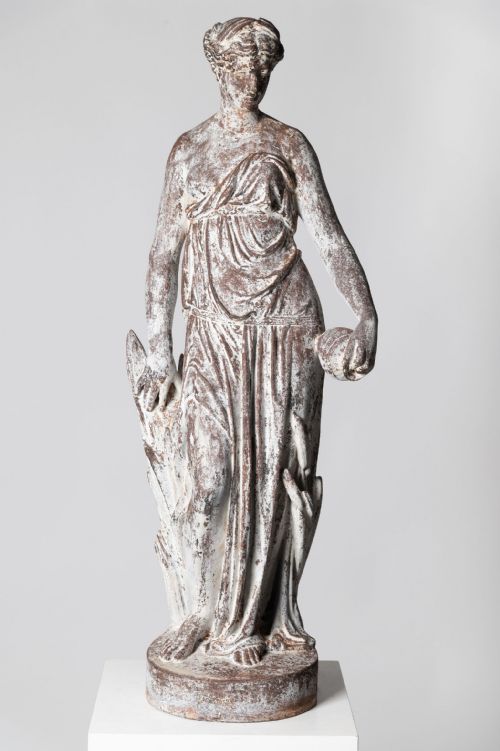


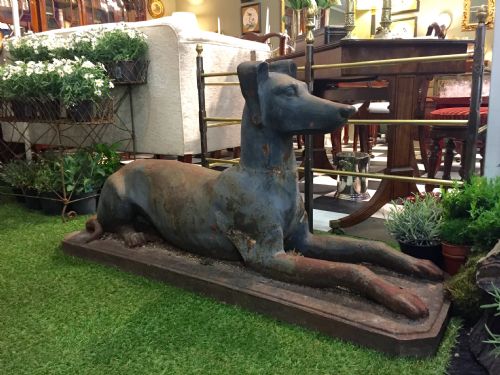
Weathered Iron Sculpture
Weathered iron sculpture brings industrial strength and storied patinas straight into your garden or interior.
Weathered Iron Sculpture
When you search for weathered iron sculpture, you are looking at substantial metalwork shaped into statues, garden ornaments, weathervanes, and architectural markers. These works span the nineteenth and early twentieth centuries, capturing Victorian grandeur alongside unpretentious folk art forms.
The versions you are most likely to meet on this page include cast iron figures, sheet metal whirligigs, and utilitarian items repurposed as display pieces. They draw on styles ranging from English folk art and Gothic revival to neoclassical designs and American traditions.
Makers and foundries utilised robust metals to create objects meant to endure the elements, resulting in surfaces marked by decades of oxidation and old paint. This category bridges practical outdoor gear and expressive sculptural art.
How they were made
Foundries produced heavy pieces by pouring molten metal into sand moulds, a process seen in nineteenth century statues and garden cannons. This technique allowed for crisp architectural details and enduring structural strength.
Sheet metal and sheet iron were beaten, cut, and riveted together to form lighter, dynamic objects such as weathervanes and whirligigs. Makers often applied layers of protective paint that now weather unevenly to reveal rich textural depths.
The documented styles range from English folk art and Victorian classicism to American whirligigs and Gothic revival markers.
What varies in quality
The distinction between ordinary items and superior pieces lies in the fidelity of the casting and the expressiveness of the form. Finer works display clean anatomical lines in figures and deliberate sculptural proportions.
Surface patination and the survival of original paint layers heavily influence the visual impact of each piece. Natural oxidation that preserves the underlying metal profile elevates the character above pieces with heavy structural degradation.
Val d Osne foundry·Henri Jaquesmart
The Weathered Iron Sculpture Glossary
- Cast iron
- Iron poured into a mould to create solid figures and architectural ornaments. It provides weight and lasting durability for outdoor use.
- Sheet metal
- Thin plates of metal shaped by hand and machine to construct lighter items like weathervanes. This material allows for movement and silhouette definition against the sky.
- Patina
- The surface appearance altered by age, exposure, and wear. It shows the history of the material through rusted textures and remnant paint.
- Whirligig
- A wind-driven mechanical folk art object with moving parts. These pieces combine sculptural presence with kinetic energy.
Weathered Iron Sculpture: Frequently Asked Questions
Where should I place a heavy iron sculpture?
These pieces suit both sheltered garden spots and interior spaces with robust flooring. Their substantial weight requires stable placement to ensure safety.
Outdoor settings allow the metal to continue its natural weathering process, while indoor placement stabilises the existing patina.
How do I clean a weathered iron statue?
Gentle brushing removes loose dirt and debris without disturbing the historic surface. Avoid harsh chemical cleaners that strip away the accumulated character.
Light oil can be applied sparingly to halt active corrosion while preserving the dark tones of the metal.
What is a weathervane used for?
Weathervanes originally indicated wind direction on the roofs of barns and large estates. They combine utility with decorative metal silhouettes.
Today, they function as striking wall art or freestanding sculptures mounted on specialised display stands.
How can I tell nineteenth century ironwork apart?
Nineteenth century pieces often feature deep sand cast textures and heavier section thicknesses than later commercial reproductions. Examining the construction marks and fastener types reveals the period of manufacture.
Stylistic cues such as neoclassical proportions or Victorian ornamentation also help date the object.