





Grand Tour Brass Souvenir
These grand tour brass souvenir pieces bring home the classical antiquity of Rome, Greece and Egypt to adorn a study or mantel.
Grand Tour Brass Souvenir
When you search for a grand tour brass souvenir, you are looking at miniature bronzes, vessels, and decorative objects collected by travellers on European journeys. The versions you are most likely to meet on this page date from the nineteenth century and draw heavily upon classical antiquity.
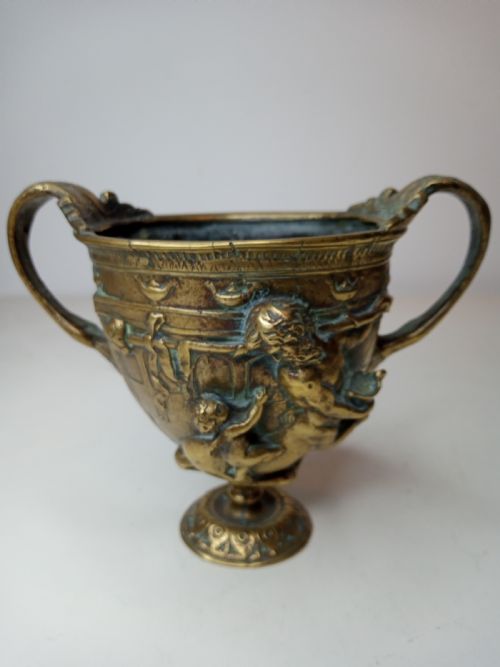
The evidence shows forms ranging from Campana and Warwick urns to candelsticks, portrait reliefs, and wine jugs. Styles span the neoclassical, classical revival, and Egyptian revival periods, reflecting the tastes of nineteenth-century collectors abroad.
How they were made
Makers utilised cast brass, bronze, and gilded bronze to recreate ancient sculpture and architecture in miniature form. Many pieces incorporate marble bases, while others feature detailed surface work such as silver inlay or micro mosaic and cloisonné enamel.
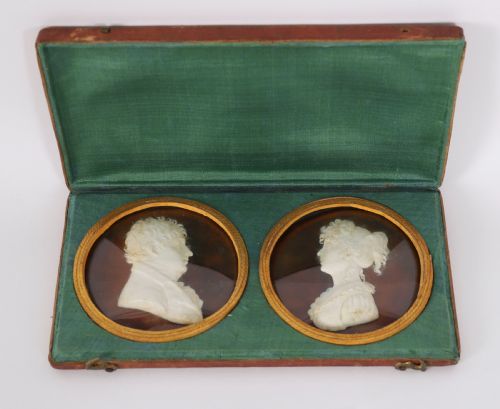
Selected items combine materials like wax and leather or velvet and glass to frame portrait reliefs and delicate souvenirs. These mixed media constructions capture the eclectic souvenir output of Italian and Cairene workshops.
Grand Tour Brass Souvenir Retail Price Guide 2026
Typical asking prices for grand tour brass souvenir among the pieces listed under this phrase on Sellingantiques today, from the lower quarter to the upper quarter. They describe what is for sale here now, not the wider market.
The materials recorded in these listings include brass, bronze, gilded bronze, marble, wax, leather, velvet, and glass.
What varies in quality
Quality rests in the crispness of the cast and the fidelity of the classical detail when compared to the original antiquities. Finer examples display sharp chasing and careful finishing across the bronze and brass surfaces.
The integration of secondary materials like marble or micro mosaic further distinguishes superior items from simpler foundry output. Weight and proportion also separate masterwork souvenirs from mass tourist pieces.
The Grand Tour Brass Souvenir Glossary
- Campana urn
- A bell-shaped vessel form derived from ancient pottery discovered in Italy. These shapes were widely translated into bronze and brass for nineteenth-century travellers.
- Neoclassical
- A style rooted in the art and architecture of classical Greece and Rome. It dominated European design during the periods when these souvenirs were gathered.
- Oinochoe
- A type of ancient Greek wine jug used for pouring liquids. Miniature brass versions served as decorative table objects for collectors.
- Micro mosaic
- A technique using tiny glass tesserae to form intricate pictorial scenes. It appears on select desk items and chamber sticks from the period.
- Warwick Vase
- A monumental ancient marble vase discovered in Hadrian's Villa and replicated in miniature bronze. It remains a classic motif among grand tour objects.
Grand Tour Brass Souvenir: Frequently Asked Questions
What is a grand tour souvenir?
These pieces are portable works of art and antiquity models collected by wealthy travellers on educational tours of Europe and the Near East during the nineteenth century. They served as tangible reminders of classical art and architecture seen abroad.
Travellers displayed them in private libraries, studies, and drawing rooms upon returning home to Britain. They bridge the gap between ancient history and nineteenth-century interior decoration.
How were these objects used?
Many items functioned as decorative ornaments for desks, mantels, and display cabinets. Others served practical domestic roles as chamber sticks, candlesticks, and planters.
Objects like the inkstands, obelisks, and vases brought classical gravity into everyday Victorian and Edwardian living spaces. Their small scale allowed collectors to curate a personal museum at home.
How do I date these pieces?
Dating relies heavily on the stylistic revival periods, material composition, and manufacturing techniques recorded in the evidence. Most items on this page originate in the nineteenth century, spanning from the Regency era through to nineteen hundred and twenty.
Examining the casting quality, wear patterns, and accompanying elements like marble plinths or micro mosaic work helps place an object within its specific decade.
Why do Egyptian revival pieces appear?
Travel routes often extended beyond Italy and Greece into Egypt, sparking a major fascination with pharaonic design. Cairo workshops and European foundries produced items like obelisks, chargers, and sphinx motifs to satisfy this demand.
These Egyptian revival souvenirs sit alongside classical Greek and Roman forms in nineteenth-century collections. They reflect the broadening scope of the grand tour itinerary over time.