
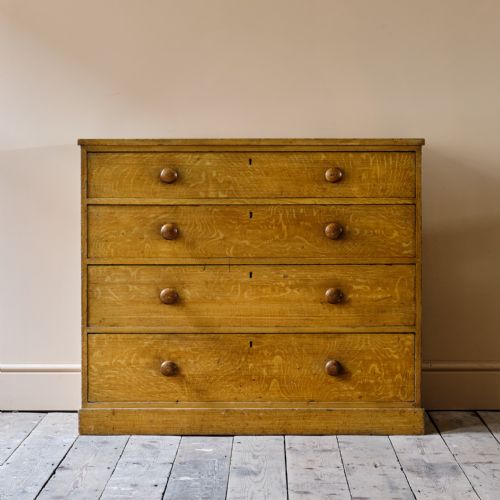


Grained Pine Storage Chest
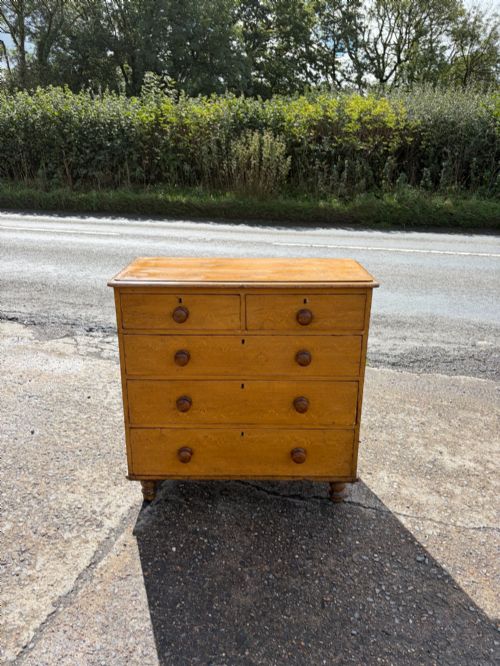
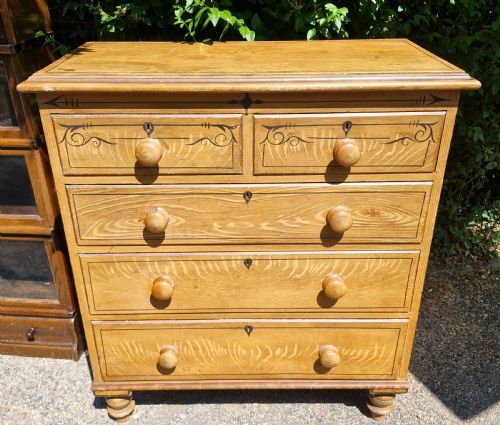
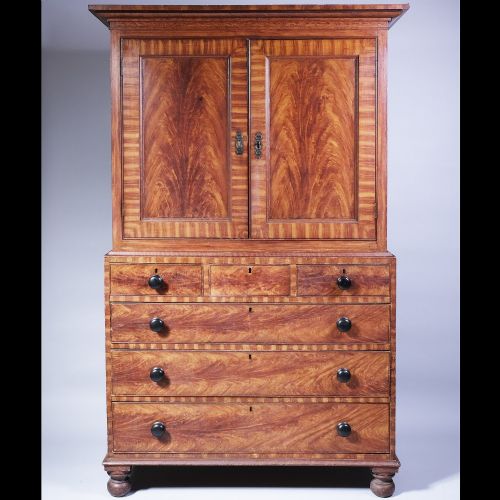
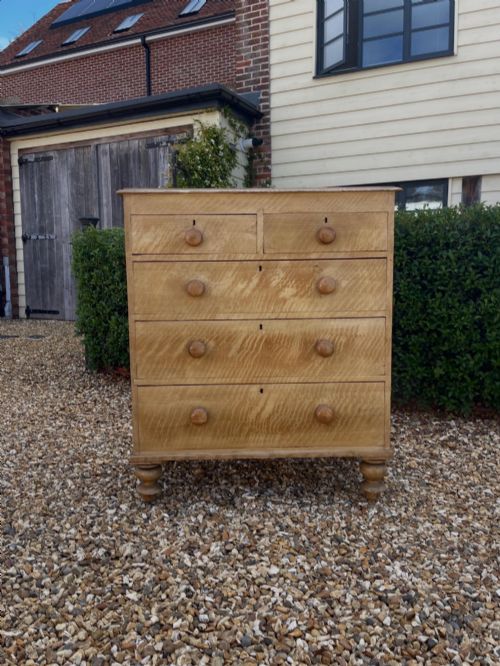
These grained pine storage chest examples offer honest nineteenth-century utility, finished with simulated timber surfaces that reward close inspection.
Grained Pine Storage Chest
When you search for a grained pine storage chest, you encounter sturdy nineteenth-century furniture built to hold linens, garments, and household goods. These pieces originate from the Victorian era and the broader nineteenth century, reflecting straightforward country and domestic needs.
The versions most commonly met on this page are chests of drawers, blanket boxes, mule chests, and housekeepers cupboards. They combine solid pine construction with decorative painted finishes designed to mimic more expensive hardwoods.
Makers shaped these items for practical storage in Victorian homes, country houses, and farmhouses. Their forms range from small two-over-three drawer configurations to lift-lid storage boxes and tall Wellington chests.
How they were made
Craftsmen built the primary structures using solid pine wood, assembling panels and frames with durable joinery suited to daily service. Iron, brass, and ceramic elements appeared in hardware such as turned knobs and hinges.
The characteristic finish involved applying scumble paint over the pine base. Painters used combs, feathers, and brushes while the glaze was wet to imitate the complex grain patterns of oak, walnut, or exotic timbers.
Victorian decorators used beer mixed with pigment as a scumble glaze because it dried slowly enough to comb intricate wood grains.
What varies in quality
The sophistication of the original scumble paintwork largely determines the visual success of each piece. Skilled decorators created nuanced, convincing wood grain simulations with depth and varied movement, whereas simpler applications remain flat and uniform.
The integrity of the underlying pine carcase and the preservation of original turned knobs, feet, and iron fittings distinguish superior survivals. Pieces retaining their untouched nineteenth-century surface show greater character than heavily restored examples.
The Grained Pine Storage Chest Glossary
- Scumble
- A translucent glaze applied over a lighter painted base and manipulated with tools to create decorative grain patterns. This technique allowed ordinary pine to resemble expensive hardwoods.
- Mule chest
- A storage chest fitted with one or more drawers beneath the main lift-lid compartment. It bridges the design gap between traditional blanket boxes and chests of drawers.
- Wellington chest
- A tall, slender chest of drawers secured by a hinged locking side bar that fastens over the drawer edges. This specific form provides vertical storage with added security.
- Housekeepers cupboard
- A large storage piece traditionally used for linens, china, and provisions in domestic service quarters. These utilitarian items served the organizational needs of nineteenth-century households.
Grained Pine Storage Chest: Frequently Asked Questions
What is scumble paint?
Scumble paint is a translucent decorative glaze applied over a base coat to simulate natural wood grains. Artisans manipulated the wet glaze using combs and brushes.
This technique transformed ordinary pine into an imitation of costly timbers like oak or walnut during the nineteenth century.
How old are these chests?
These chests date from the Victorian period and the nineteenth century, specifically spanning decades from around eighteen-sixty to eighteen-ninety.
They reflect the domestic craftsmanship and rural utility of that era without relying on precise manufacturing dates.
What is a mule chest?
A mule chest combines a traditional lift-lid storage box with one or more lower drawers. This hybrid form gained popularity for practical bedroom and landing storage.
It allowed users to access garments or linens without lifting the heavy top lid every time.
Are the painted finishes original?
Many surviving pieces retain their original nineteenth-century scumble paint and simulated wood grain effects. These untouched surfaces display authentic wear and patination accumulated over generations of use.
Checking for consistency between the paint layer and the underlying pine helps confirm period authenticity.